
Infosys CEO’s compensation rises 2.5% to nearly $8.7 million in fiscal 2026
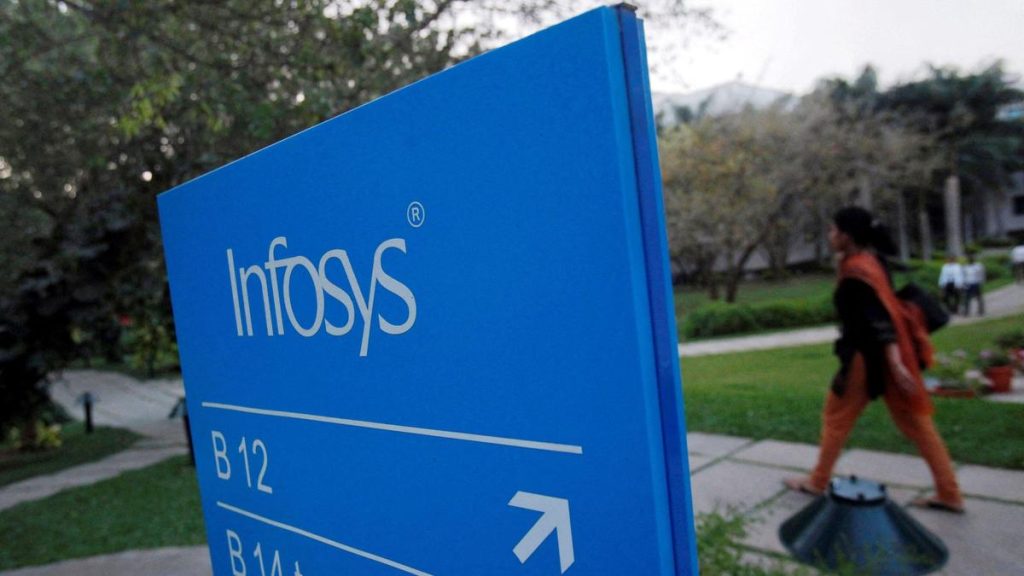
Infosys CEO’s Compensation Increases 2.5% to Nearly $8.7 Million in Fiscal 2026
Account Subscription Benefits
Bharatmorningnews.com – Unlock premium access to exclusive content, including detailed analyses, in-depth editorials, and expert opinions. Subscribe to gain full insights into the latest developments in technology and business.
Science For All
Weekly science updates from dedicated writers, simplifying complex topics and highlighting breakthroughs in an engaging, accessible way. Stay informed without the jargon.
Health Matters
Ramya Kannan provides practical advice on achieving and maintaining optimal health, covering nutrition, exercise, and wellness strategies tailored for modern lifestyles.
In the fiscal year 2026, Infosys’ CEO Salil Parekh experienced a 2.5% rise in his overall compensation package, totaling ₹826 million (equivalent to approximately $8.69 million). The company disclosed this figure in its annual report released on Friday. Parekh’s earnings for the year comprised a base salary of ₹79.7 million, along with bonuses amounting to ₹233.5 million. His total remuneration also included a substantial component from stock options, which formed the bulk of his annual income.
Parekh exercised his stock options, which contributed significantly to his compensation, totaling ₹507.5 million. This figure highlights the importance of equity-based rewards in executive pay structures, particularly within the technology sector. His compensation in fiscal 2025 stood at $9.44 million, while the previous year saw him earn $7.9 million. The slight decline in the dollar amount for fiscal 2026 is attributed to the Indian rupee’s depreciation against the U.S. dollar, which dropped by 9.88% during the period.
Despite the rupee’s weakening, Parekh’s compensation remains a key indicator of his role in driving Infosys’ performance. The company, which is India’s second-largest IT firm, has faced challenges in recent years as the sector grapples with slowing growth. AI-driven disruptions have prompted clients to reassess their technology investments, leading to a more cautious approach in spending. This trend is reflected in the broader landscape of the Indian IT industry, which reported a revenue growth of 3.1% in constant currency terms for fiscal 2026. This growth aligns with analysts’ expectations of 3% to 3.5%, but it also signals a slowdown compared to previous years.
For fiscal 2027, Infosys projected revenue growth between 1.5% and 3.5%, a range lower than the initial estimates from financial analysts, who had anticipated growth of at least 2% to 4%. The revised forecast underscores the ongoing pressure on IT firms to adapt to a rapidly evolving market. This adjustment comes amid a broader shift in the sector, where competition is intensifying and client demand is becoming more selective. The recent announcement by OpenAI about a new services-led venture further contributed to uncertainty, prompting Indian IT stocks to reach their lowest levels in three years earlier this month.
While Infosys’ leadership has been adjusting to these market dynamics, its CEO’s compensation reflects a strategic focus on retaining top talent and incentivizing long-term growth. Parekh, who has been serving as CEO for five years, is set to complete his tenure in March next year. However, the company has not yet confirmed whether his role will be extended, leaving room for speculation about the future direction of the firm.
Comparative Compensation in the IT Sector
Salil Parekh’s pay is not the only executive figure drawing attention in the industry. K. Krithivasan, the CEO of Infosys’ major competitor Tata Consultancy Services (TCS), earned $2.96 million for the same fiscal year. In contrast, HCLTech and Wipro have yet to release their 2026 annual reports, raising questions about their financial performance and leadership compensation strategies. This disparity highlights the varied approaches taken by different IT companies to reward their top executives, influenced by factors such as company size, market position, and financial health.
The Indian IT sector, valued at $315 billion, continues to navigate a complex environment. While firms like Infosys are adapting to changing client demands and economic conditions, they are also facing increased scrutiny over executive pay. This trend is part of a larger conversation about corporate governance and the alignment of executive rewards with shareholder value. As AI and automation reshape the industry, companies are reevaluating their pay structures to ensure they remain competitive in attracting and retaining skilled professionals.
Infosys’ recent report on Parekh’s compensation illustrates the intersection of personal financial incentives and corporate strategic goals. His stock options, which accounted for the majority of his earnings, suggest a focus on long-term equity growth for both the company and its executives. This model is common in the tech sector, where performance tied to stock ownership can drive innovation and align employee interests with company success. However, the fluctuation in currency values adds an extra layer of complexity, as it directly impacts the perceived value of executive pay in international markets.
The broader implications of Parekh’s compensation extend beyond his individual earnings. It serves as a barometer for the company’s financial health and its ability to sustain growth amid economic headwinds. The rupee’s decline has forced many IT firms to adjust their global earnings reports, making it essential to track how compensation packages are affected by macroeconomic factors. As Infosys looks to the future, the question remains whether its leadership structure will evolve in tandem with the industry’s shifting priorities.
For now, the data reveals a picture of a CEO whose compensation is closely tied to the company’s stock performance. With the rupee’s depreciation and the global tech landscape in flux, Infosys must balance the need to reward its executives with the goal of maintaining profitability. The firm’s 3.1% revenue growth in fiscal 2026, while steady, indicates a period of consolidation rather than rapid expansion. This context is crucial for understanding the significance of Parekh’s pay increase and how it reflects the company’s strategic priorities during a challenging time for the industry.
As the IT sector continues to adapt to new challenges, the focus on executive compensation will likely remain a key topic of discussion. Companies will need to ensure their pay structures are both fair and effective, balancing the interests of employees, shareholders, and the broader market. The case of Salil Parekh highlights the ongoing evolution of leadership incentives in a dynamic and competitive environment.
Copyright© 2026, THG PUBLISHING PVT LTD. or its affiliated companies. All rights reserved.
Comments must be written in English and composed of complete sentences. Abusive or personal remarks are not allowed. Please follow our community guidelines when posting your thoughts. The platform has transitioned to a new commenting system, so if you are already a registered user of The Hindu and logged in, you can continue engaging with articles. New users are encouraged to register and log in to participate. Existing comments can be accessed by logging into your account on Vuukle.