
Kochi faces waterlogging in many areas in heavy overnight showers
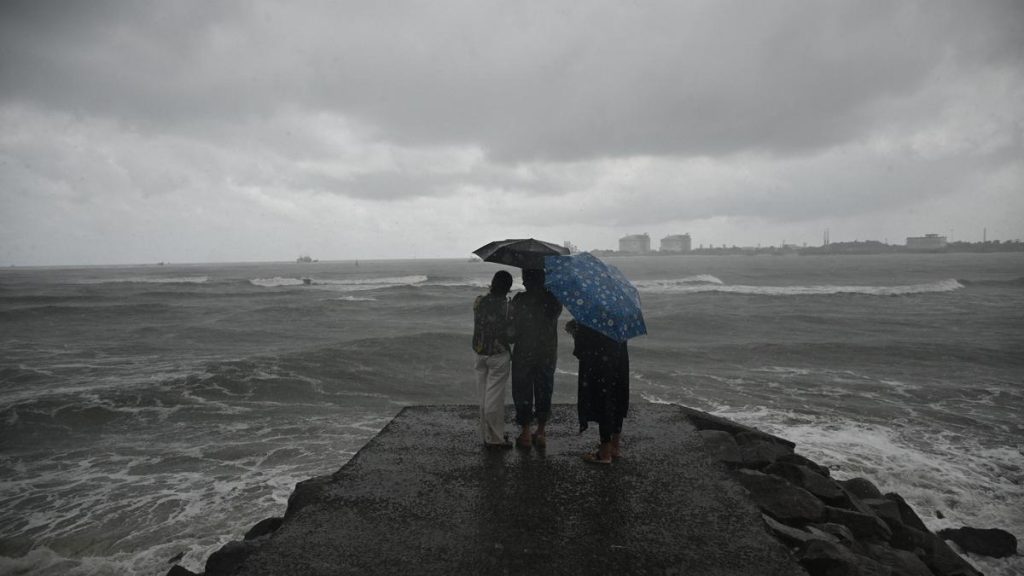
Kochi faces waterlogging in many areas in heavy overnight showers
Impact of Heavy Rainfall
Bharatmorningnews.com – Heavy rain that fell across Kochi city on Friday highlighted the city’s vulnerability to flooding as the monsoon season approaches. Numerous districts reported significant accumulation of water, with streets turning into rivers and vehicles stranded in submerged areas. This event has sparked concerns about the city’s preparedness for the seasonal downpours, prompting calls for urgent action to address recurring drainage issues.
Areas Affected
Several key locations were hit hardest by the downpour, including Ernakulam South railway station, Kalathiparambil Road, Karikkamuri, and the KSRTC stand. Other affected zones included Ernakulam North, Edakochi, Palluruthy, Panayappilly, and Edappally. These areas, which are typically prone to water accumulation, saw severe challenges due to the intensity of the rainfall. The situation has drawn attention from political leaders, with the Opposition Left Democratic Front (LDF) criticizing the governing United Democratic Front (UDF) for inadequate pre-monsoon preparations.
Opposition’s Criticism
Leaders from the Left Democratic Front accused the UDF-led administration of failing to execute necessary measures before the monsoon arrived. V.A. Sreejith, a prominent figure in the LDF parliamentary party, pointed out that the civic body did not maintain effective coordination with different departments. This, he argued, is essential for mitigating waterlogging risks. Although paperwork for monsoon readiness was completed prior to the model code of conduct, the governing committee was criticized for not ensuring proper supervision of the works.
Drainage Challenges
Ernakulam South division councillor K.V.P. Krishnakumar explained that waterlogging in his area is a persistent problem due to restricted drainage channels. “The system depends on the Vivekananda Canal to channel excess water into the Mullassery Canal and then to the backwaters,” he stated. “However, the lack of natural flow has necessitated the installation of a pumping station at the eastern end of the Mullassery Canal.” He further noted that geographical features, such as the slope towards Chittoor Road’s eastern side, contribute to localized flooding. Previously, a railway culvert near Kammattypadam helped drain water into the GCDA canal, but this has been lost to encroachment.
Proposed Solutions
Mr. Krishnakumar suggested creating additional drainage paths to reduce the burden on existing systems. He proposed that water near the South railway station could be diverted directly into the backwaters via Jos Junction and MG Road. This approach, he argued, would significantly ease the waterlogging crisis in the region. Meanwhile, Abdul Latheef, a division councillor from Edakochi, expressed frustration over the ongoing flooding, even during light rains. “A new drain was built alongside Lulu Mall, passing through the Kochi Metro parking area to carry water to the Edappally Canal,” he said. “But it was recently dismantled as part of construction activities after the metro company leased the site to a private entity.”
Expert Observations
C.C. Ajithkumar, general secretary of the Ernakulam District Residents’ Associations’ Apex Council, noted that while some areas like Kaloor, North, and Kadavanthra experienced flooding, the water levels receded more quickly. “The situation might become worse if waterlogging occurs simultaneously with high tide,” he warned. This observation underscores the need for a more integrated approach to managing both rainfall and tidal influences on the city’s drainage infrastructure.
Funding Allocation
The civic administration has allocated ₹20 crore for pre-monsoon works, with each of the 76 divisions receiving ₹13 lakh. An additional ₹50,000 per division is designated for immediate monsoon-related restoration tasks, such as removing fallen trees from roads. These funds are intended to improve the city’s resilience against water accumulation. However, officials admit that the challenges posed by encroachment and inadequate drainage outlets have limited the effectiveness of these measures.
Community Response
Residents have been vocal about their dissatisfaction with the current state of drainage. Many are calling for faster implementation of long-term solutions to prevent future disruptions. With the monsoon season looming, there is a growing urgency to address these issues before they escalate into more severe problems. The debate over responsibility and coordination continues, with the Opposition pushing for accountability and the administration striving to improve its response.
Infrastructure Concerns
Experts highlight that the city’s drainage system is under pressure from multiple factors, including urban development and the loss of natural outlets. The Vivekananda Canal, a critical component of the drainage network, is now heavily reliant on mechanical pumps to manage water flow. This dependence has raised questions about the sustainability of the current approach. Without additional infrastructure and proactive planning, the risk of severe flooding during the monsoon season remains high.
Future Preparedness
Officials are emphasizing the importance of future investments in the city’s drainage systems. While the current budget provides some relief, there are calls for more comprehensive plans to address the root causes of waterlogging. This includes clearing blocked drains, creating new outlets, and ensuring that infrastructure projects do not interfere with the natural flow of water. The recent incidents have served as a wake-up call, urging the authorities to take decisive steps to safeguard the city from the challenges of the upcoming monsoon season.