
Big trade wins for India as PM Modi attends G7 meet: UK deal date, EU FTA by year-end | Full list
India’s Big Trade Wins at G7 Summit: UK Deal, EU FTA Progress
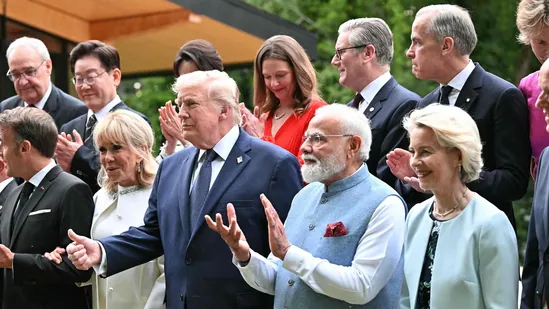
Bharatmorningnews.com – Prime Minister Narendra Modi’s recent participation in the G7 summit in Évian-les-Bains, France, marked a significant milestone for India’s global trade ambitions. The summit provided a platform for India to secure key agreements that underscore its growing economic influence. With a focus on expanding bilateral trade relationships, Modi emphasized the importance of these partnerships in driving India’s economic growth and enhancing its global standing. The outcomes of the summit reflect India’s proactive approach in positioning itself as a vital player in international commerce.
India-UK Trade Deal Set for Finalization
During the G7 summit, India and the United Kingdom confirmed the timeline for finalizing their comprehensive trade agreement, which had been in the works for several years. The deal, once implemented, is expected to create new opportunities for both nations by streamlining trade processes and reducing non-tariff barriers. Modi highlighted the agreement’s potential to support Indian agriculture, labor markets, and small businesses, aligning it with the government’s vision of Viksit Bharat 2047. The UK’s commitment to this partnership signals a strategic move to deepen economic ties with a rapidly growing economy.
Modi reiterated that the India-UK trade pact will not only boost bilateral trade but also serve as a catalyst for India’s economic development. By addressing sector-specific challenges and fostering innovation, the agreement aims to create a more integrated and resilient trade network between the two countries. This collaboration is seen as a model for future trade relations, demonstrating India’s ability to negotiate favorable terms on the global stage.
The specifics of the UK deal include provisions for intellectual property protection, digital trade, and sustainable development. These elements are crucial for attracting foreign investment and ensuring long-term economic benefits. Analysts suggest that the agreement could lead to a 20% increase in trade volume within the next five years, with the UK becoming a major export market for Indian goods such as textiles, pharmaceuticals, and agri-products. The timeline set during the summit reflects India’s readiness to implement and scale these commitments.
India-EU FTA Progress Toward 2027
India’s Free Trade Agreement (FTA) with the European Union is on track to be signed by the end of 2023, with implementation scheduled for 2027. This pact, concluded in January 2023, covers a wide range of sectors, including agriculture, services, and manufacturing. The elimination of tariffs on 96.6% of goods by value is a key component, which could significantly enhance India’s exports to the EU. Bloomberg reports indicate that this deal may unlock a $120 billion trade potential between the two regions.
Modi’s discussions with EU leaders at the G7 summit reinforced the commitment to finalize the FTA, which is considered a cornerstone of India’s economic strategy. The agreement is expected to provide Indian companies with better access to the EU market, while also promoting sustainable practices and green technologies. This partnership is seen as a major step toward India’s goal of becoming a global trade hub by 2047.
Analysts note that the India-EU FTA could create a more level playing field for Indian exporters, particularly in sectors like textiles and pharmaceuticals, where EU regulations have been a barrier. The deal also includes provisions for digital trade, which are critical for India’s tech-driven industries. With the FTA anticipated to be signed by year’s end, the focus now shifts to ensuring its seamless implementation and maximizing its benefits for both economies.
Modi’s engagement with European leaders during the G7 summit highlighted the importance of these trade ties. The prime minister emphasized that the FTA would not only strengthen economic linkages but also foster collaboration in areas such as climate change and innovation. This approach aligns with India’s broader goals of diversifying its trade partnerships and reducing dependency on traditional markets.
Broader Implications of India’s Trade Advancements
The G7 summit’s outcomes reflect India’s success in leveraging its diplomatic and economic outreach to secure substantial trade agreements. These deals, particularly with the UK and EU, are part of a larger strategy to expand India’s global footprint. The prime minister’s efforts have positioned India as a key negotiator in international trade, with a focus on mutual benefits and long-term partnerships. The cumulative impact of these agreements is expected to drive India’s GDP growth and create employment opportunities across various sectors.
Experts suggest that the India-UK and EU FTA agreements could contribute to a $100 billion increase in India’s trade volume within the next decade. These developments also signal a shift in India’s trade policy, emphasizing the need for diversified markets and strategic alliances. The summit provided an opportunity to showcase India’s economic potential to global partners, reinforcing its role as a major player in the global economy.
Looking ahead, India aims to build on these successes by pursuing additional trade agreements with countries in Asia, Africa, and Latin America. Modi’s vision includes creating a more open and integrated global trade system, which would benefit India’s manufacturing and service sectors. The G7 summit served as a catalyst for these efforts, demonstrating the country’s ability to negotiate and secure favorable terms in international trade discussions.