
Assam tightens security for NEET-UG re-examination with jammers, double frisking
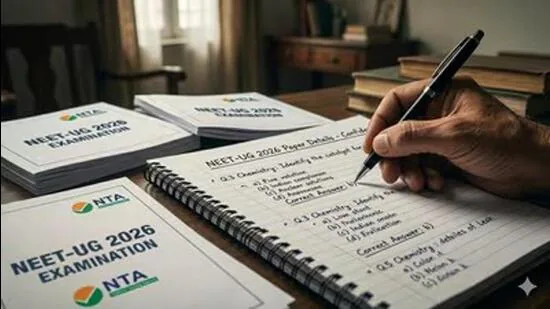
Assam Tightens Security for NEET-UG Re-Examination
Bharatmorningnews.com – Assam has intensified security measures for the NEET-UG re-examination, following concerns over a recent paper leak that disrupted the initial May 3 test. The state government, under Chief Minister Himanta Biswa Sarma, has implemented stricter protocols to safeguard the integrity of the exam, which was held on May 3 and suspended on May 12 due to discrepancies between pre-circulated guess papers and the actual question paper. These steps aim to ensure a fair and secure environment for all candidates, as the NEET-UG re-examination is scheduled for June 21.
Enhanced Security Measures in Place
As part of the new security framework, candidates will now undergo two rounds of frisking before entering the examination halls. This measure is designed to detect any electronic devices or unauthorized materials that could compromise the exam’s fairness. In addition, mobile jammers have been deployed at all test centers to prevent unapproved communication, such as using phones to share answers or receive hints. The state government has also arranged for question papers to be transported under military supervision, ensuring they remain secure throughout the distribution process.
The exam venues will be equipped with advanced CCTV monitoring systems, allowing authorities to track activities in real time. Police will be stationed at each center to provide round-the-clock security, with heightened vigilance to deter any disruptions. These efforts are part of a broader strategy to prevent similar incidents from affecting the NEET-UG re-examination, which is critical for aspiring medical professionals in Assam. The NEET-UG exam is a key gateway to medical admissions in India, and the state government is committed to maintaining its credibility.
Impact of the Leak and New Protocols
The leak incident, which affected more than 2.27 million candidates, exposed vulnerabilities in the examination system. As a result, Assam’s authorities have taken decisive action to reinforce security. The Guwahati Police Commissionerate issued a prohibitory order under Section 163 of the Bharatiya Nagarik Suraksha Sanhita (BNSS), restricting access to exam centers within a 100-meter radius on the day of the re-examination. This move is intended to cut off potential pathways for unauthorized interference.
Deputy Commissioner of Police (Administration) Nirupam Hazarika emphasized the importance of these measures, stating that the new restrictions aim to counter attempts by individuals to exploit internet-based tools or other methods to disrupt the exam. The state government has also partnered with local authorities to conduct thorough checks on all personnel entering the test centers. These changes reflect Assam’s proactive approach to ensuring that the NEET-UG re-examination is conducted without any compromise to its fairness or transparency.
Support for Candidates and Logistics
To ease the logistical burden on candidates, the state government has provided complimentary bus travel on Assam State Transport Corporation (ASTC) services for those presenting valid admit cards. This initiative is part of a broader effort to support students while maintaining strict security. The NEET-UG re-examination is expected to be a critical opportunity for candidates who were affected by the leak, and the government is ensuring that all necessary resources are available to them.
Furthermore, the exam centers will be staffed with additional personnel to manage the flow of candidates and monitor compliance with security rules. All 15 centers under the Guwahati Police jurisdiction, including Cotton University and Pragjyotish College, are now operating under heightened scrutiny. The focus keyword “Assam tightens security for NEET” is central to these efforts, as the state aims to restore confidence in the examination process and prevent future leaks.
Context and Future Implications
The NEET-UG re-examination is not only a test of academic knowledge but also a pivotal moment for students seeking admission to undergraduate medical courses. The leak incident highlighted the need for improved security measures, especially in a state like Assam, where the examination plays a significant role in shaping the careers of thousands of young aspirants. By introducing mobile jammers, double frisking, and military supervision, the government is signaling its commitment to upholding the standards of the NEET-UG exam.
The state government has also emphasized the importance of the NEET-UG re-examination in maintaining the credibility of the medical admissions process. “We have implemented robust measures to ensure the future of our students is not compromised,” stated Sarma in a social media post following the review meeting. This statement underscores the government’s dedication to creating a secure environment for the NEET-UG exam, which is vital for students across the country. The improved security protocols are expected to set a precedent for other states and examination bodies to follow.
Conclusion and Public Response
As the June 21 NEET-UG re-examination approaches, the state government is confident that the enhanced security measures will prevent any further incidents. The focus keyword “Assam tightens security for NEET” has become a recurring theme in official communications, reflecting the central role of security in this critical examination. Candidates and parents have expressed cautious optimism, with many acknowledging the importance of these steps in restoring trust in the NEET-UG process. The state’s proactive response to the leak demonstrates its commitment to ensuring that all students have an equal opportunity to succeed in the exam.