
After the slogans fade, what future awaits the Cockroach Janta Party?
After the Slogans Fade, What Future Awaits the Cockroach Janta Party?
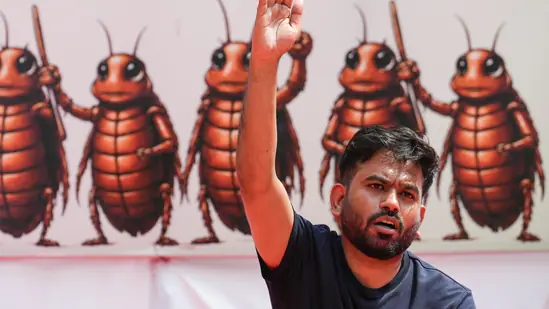
Bharatmorningnews.com – Saturday evening saw the end of a spirited demonstration at Delhi’s Jantar Mantar as police declared the gathering unlawful and urged participants to break up. Despite the announcement, leaders of the Cockroach Janta Party (CJP) and some attendees showed no immediate sign of retreat.
As the crowd continued their rhythmic strikes on steel plates and spoons, CJP founder Abhijeet Dipke shared a video online, calling on supporters nationwide to organize peaceful “Jail Bharo” protests should he face arrest. The protest, centered on demanding Union education minister Dharmendra Pradhan’s resignation over examination controversies, drew participants from multiple states. Chants of “Go Pradhan Go” echoed through the air, a nod to Prime Minister Narendra Modi’s 2020 lockdown-era appeal.
What Lies Ahead for the Movement?
While the rally was marked by loud slogans and speeches, a deeper inquiry emerged: what will become of a group that has surged from online activism to physical demonstrations? Over months, the CJP has gained traction through social media, addressing concerns like exam fairness, paper leaks, and recruitment disputes. Saturday’s turnout indicated its ability to mobilize beyond digital platforms, though its ability to maintain this energy and broaden its goals remains uncertain.
Exam Controversies and Emotional Toll
Examination-related issues dominated the day’s discourse, with attendees expressing frustration over perceived negligence. “NTA keeps blaming technical faults for every problem, using them as an excuse to avoid responsibility,” said Gautam Babu, a 28-year-old judiciary aspirant from Bihar. Hunar Jain, an 18-year-old Delhi student, shared how the leak of the NEET paper shattered her hopes. “She prepared for NEET and other exams, only to lose motivation after learning the paper had been compromised,” she recounted.
From Social Media to the Streets
The CJP’s presence at Jantar Mantar highlighted its grassroots origins. Many attendees first encountered the movement online, where masks and videos became symbols of its reach. Unlike conventional student groups rooted in campuses, the CJP has grown through digital engagement, drawing in individuals new to organized political action. “The issues raised by CJP resonate in every student community, even if there’s no protest in Mumbai,” noted Neil Khopkar, a 29-year-old professional who joined the gathering.
Some credited the movement’s organic start on social media as its strength. “It began without formal structures, which made it feel fresh and relatable,” said a young public policy professional at the event. Yet this same spontaneity also raises questions about its long-term viability, as the group faces the challenge of translating digital momentum into sustained political influence.