
‘Safeguard rights and dignity of evictees’: Delhi HC on relocation of slum clusters near PM residence
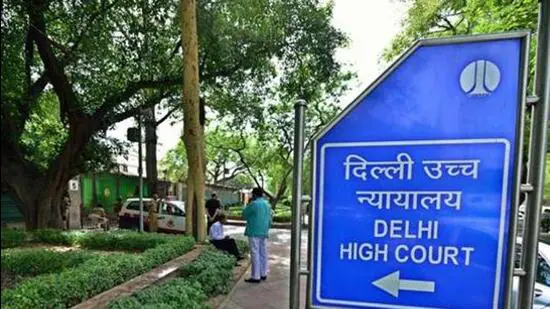
Delhi High Court Orders Safeguarding Evictees’ Rights During PM Residence Relocation
Bharatmorningnews.com – The Delhi High Court has emphasized the importance of safeguarding rights and dignity of evictees in its recent directives regarding the relocation of slum clusters near the Prime Minister’s residence. In a June 4 order, the court directed the Centre and Delhi Urban Shelter Improvement Board (DUSIB) to implement strict guidelines ensuring that the displacement of residents in the Race Course locality is conducted with fairness and transparency. The decision comes amid growing concerns over the living conditions and future prospects of those affected by the urban development project.
Comprehensive Guidelines for Evictees
The court’s order outlines several measures aimed at protecting the rights of slum dwellers. Among the key directives is the provision of free Delhi Metro passes to one family member for a year, accessible through partnerships with the Delhi Metro Rail Corporation (DMRC) or alternative transportation solutions. This initiative is intended to ease the transition for relocated families by providing reliable commuting options. Additionally, the court mandated that children from affected households be enrolled in nearby government schools, with necessary adjustments to admission timelines to ensure smooth integration into the education system.
Another critical requirement is the establishment of a dedicated camp office at the new site. This office, to be managed by senior officials from DUSIB, Delhi Jal Board, and the electricity supply department, will serve as a resource hub for residents. The court also insisted on the inclusion of essential amenities like water and electricity infrastructure, as well as proximity to healthcare and educational services. These steps are designed to ensure that the relocation process does not compromise the quality of life for the displaced individuals.
Residents’ Concerns and Legal Context
The relocation plan has sparked significant opposition from slum dwellers, who argue that the current rehabilitation site fails to meet their basic needs. Legal representatives for the affected families highlighted the location’s remoteness from central Delhi, placing it 30–40km away from the city center and 49km from the Race Course area. This distance creates challenges in accessing markets, workplaces, and essential services, raising questions about the adequacy of the proposed solution.
“The proposed relocation site lacks critical infrastructure and proximity to daily necessities, undermining the safeguard rights and dignity of evictees,” stated the residents’ counsel, N Hariharan, during the appeal hearing.
Residents also pointed to the absence of proper healthcare facilities, with the nearest dispensaries located over a kilometer away and the Sanjay Gandhi Government Hospital situated 12km from the site. The court acknowledged these concerns and directed authorities to address them through coordinated efforts with relevant departments. The legal battle underscores the tension between urban development and the rights of vulnerable communities, with the High Court acting as a mediator to balance both interests.
Government’s Defense and Progress Updates
Representing the government, additional solicitor general Chetan Sharma and advocates Ashish Dixit and Anuj Chaturvedi defended the relocation plan, citing the necessity of the land for security and defense infrastructure. They noted that 717 residents of the JJ slum clusters had been assigned to ready-to-move units, with 248 families already relocating and 60–70 households having moved to the new site. The remaining 202 families are expected to receive their keys soon, according to the officials.
Despite these assurances, the legal team for the slum dwellers remains cautious. They argue that the current site, while equipped with basic utilities, does not provide adequate living conditions. The court’s emphasis on safeguard rights and dignity of evictees suggests a commitment to ensuring that the relocation process is not just about moving people but also about maintaining their socio-economic stability. The decision sets a precedent for future urban development projects, highlighting the importance of inclusive planning and stakeholder engagement.
Broader Implications for Urban Development
The case has drawn attention to the broader implications of urban redevelopment in Delhi, particularly for marginalized communities. With rapid city expansion, slum clusters near key landmarks often face the threat of displacement, prompting legal challenges to protect the rights of their inhabitants. The Delhi High Court’s intervention underscores the need for policies that prioritize the dignity and welfare of evictees during such transitions.
Environmental and social factors have also been considered in the relocation plan. The site near the Delhi–Haryana border is seen as a strategic choice for reducing traffic congestion and expanding urban infrastructure. However, critics warn that the distance from central Delhi may disrupt social networks and cultural ties, making the relocation process more challenging for families. The court’s focus on safeguard rights and dignity of evictees aims to mitigate these risks by ensuring that the new site meets both practical and emotional needs of the residents.
Looking Ahead: Future Steps and Community Engagement
As the relocation process moves forward, the court has called for continuous monitoring of the situation. Authorities are urged to maintain transparency in their operations and engage with the affected communities through regular updates. The establishment of the camp office is a step in this direction, but its effectiveness will depend on the responsiveness of the officials involved.
Residents’ associations have expressed hope that the court’s directives will lead to a more equitable outcome. They are working closely with legal experts to ensure that the relocation plan adheres to the principles of safeguard rights and dignity of evictees. The case highlights the evolving role of judicial oversight in urban planning, ensuring that development does not come at the cost of human rights and community well-being. As the relocation nears completion, the focus remains on how well these guidelines are implemented and the long-term impact on the displaced population.