
City power minister vows no tariff hike; welcomes court nod
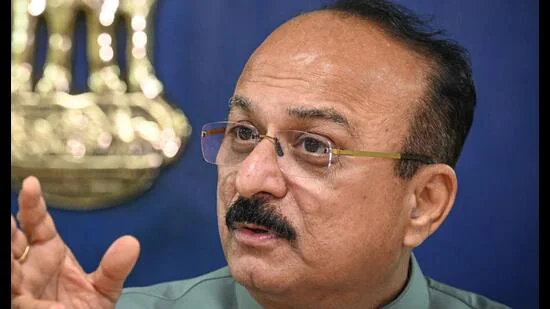
City Power Minister Promises No Tariff Increases Amid Court Approval
Bharatmorningnews.com – Delhi’s City Power Minister Ashish Sood has reaffirmed the government’s commitment to maintaining stable electricity tariffs, following the Delhi High Court’s recent approval for the Comptroller and Auditor General (CAG) to audit the city’s power distribution firms. In a statement on Monday, Sood emphasized that the decision to allow the audit was a significant step toward ensuring transparency and accountability in the power sector, which has long been a source of public concern. “The government will ensure that not even a single rupee of extra cost, in the form of higher electricity rates, is placed on Delhi’s citizens,” he declared. This pledge aligns with the broader goal of the Delhi administration to prevent unnecessary financial burdens on households and businesses, particularly as the city continues to grapple with rising energy demands and inflationary pressures.
Dismissing Opposition Petitions
The Delhi High Court’s ruling to permit the CAG audit came after rejecting petitions from BSES Rajdhani Power Ltd and BSES Yamuna Power Ltd, which had sought to block the initiative. The power distribution companies argued that the audit would disrupt their operations and lead to increased tariffs. However, the court deemed their challenge premature, stating that the audit was a necessary measure to scrutinize the financial practices of the firms and ensure they were operating in the best interest of consumers. “The audit will shed light on any discrepancies in the accounts of these companies, allowing us to verify their claims and hold them accountable,” said the court in its order. This decision has been widely seen as a victory for the Delhi government, which has been pushing for greater oversight in the power sector.
Accusations Against Previous Government
Sood’s announcement was accompanied by pointed criticism of the previous Aam Aadmi Party (AAP) government, which he claims had close ties with the power distribution companies. “The fact that these firms turned to the high court to block the CAG audit reveals a connection between the previous AAP government and the discoms,” he stated. This accusation suggests that the current administration believes the previous regime prioritized the interests of the power companies over those of the public. The minister also highlighted that the AAP government allowed regulatory assets to accumulate to an estimated ₹38,000 crores, which he argued were costs incurred by the discoms that remained unaccounted for when tariffs failed to increase in line with rising expenses. “This audit is crucial to uncovering how these assets were managed and whether they were justified,” Sood added.
Residents Back the Audit Move
The initiative to audit power distribution firms has garnered strong support from Delhi residents, who have long been frustrated by what they perceive as opaque billing practices and rising electricity costs. Atul Goyal, president of the United Residents Joint Action—a collective representing over 2,500 resident welfare associations—lauded the decision, stating that it aligns with the community’s demand for transparency in the power sector. “This move is a welcome step toward ensuring that the government and the discoms are held accountable for their financial decisions,” Goyal said. Similarly, BS Vohra, head of the East Delhi RWAs Joint Front, emphasized that the audit would help verify the claims made by the power companies and protect public funds from misuse. “We need an independent review to ensure that consumers are not being overcharged and that the system remains fair,” Vohra added.
Background of the Audit Controversy
The dispute over the CAG audit has been ongoing for months, with the previous government resisting the move due to concerns about its impact on the power sector’s operations. The current Delhi government, led by Sood, had argued that the audit was essential to uncover financial irregularities and ensure that power companies were not passing on excessive costs to consumers. “The audit will provide clarity on the actual costs incurred by the discoms and how they are being allocated,” Sood explained. This effort is part of a larger initiative to reform the power distribution system in Delhi, which has faced criticism for inefficiencies and lack of accountability. The court’s nod to the CAG audit is expected to strengthen the government’s position in its push for regulatory oversight.
Implications for the Power Sector
The approval of the CAG audit is likely to have significant implications for the power sector in Delhi. By allowing an independent review of the discoms’ financial records, the initiative aims to address concerns about how costs are being managed and whether they are being passed on to consumers. The audit could also reveal whether the previous government had prioritized the interests of the power companies over those of the public, a claim that has been central to the debate. “This is a crucial moment for the power sector as we move toward a more transparent and consumer-friendly system,” Sood said. The outcome of the audit may lead to policy changes, including potential tariff adjustments or reforms in how power companies are regulated. However, the minister has made it clear that the government remains committed to preventing any unnecessary hikes in electricity rates, ensuring that the burden on citizens remains manageable.