
Yum Brands stock jumps after Pizza Hut sale announcement in $2.7B deal, investors cheer move
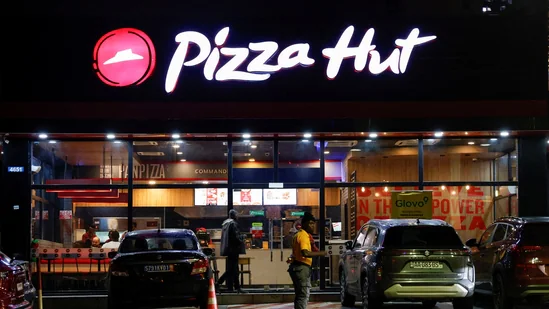
Yum Brands Stock Jumps After $2.7B Pizza Hut Sale Announcement
Bharatmorningnews.com – Yum Brands’ stock surged following the announcement of a $2.7 billion sale of Pizza Hut, marking a significant shift in the company’s strategy. The decision to divest the iconic pizza chain through two separate agreements has sparked optimism among investors, who viewed the move as a step toward revitalizing the parent company’s financial performance. Shares of Yum Brands climbed nearly 2% in early trading, with some analysts predicting a more substantial rebound as the restructuring plan takes shape. The sale, which includes the transfer of Pizza Hut’s international operations to LongRange Capital and its mainland China business to Yum China, aims to unlock value for shareholders and streamline Yum’s focus on core brands like KFC and Taco Bell.
Breaking Down the Sale Structure
The $2.7 billion deal is divided into two phases, each designed to maximize returns and operational efficiency. The first transaction involves selling Pizza Hut’s operations outside mainland China to LongRange Capital for $1.5 billion, while the second part sees Yum China acquiring the chain’s Chinese assets for $1.2 billion. This approach allows Yum to retain a stake in the China market, where Pizza Hut has historically been a key player, while offloading the more challenging international segment. The split is expected to reduce complexity in managing global markets and provide both buyers with opportunities to tailor strategies to their respective regions. Investors are particularly interested in how the sale will impact Yum’s profitability, as the company has long struggled with the brand’s declining performance in key markets.
Analysts suggest that the divestiture will free up capital for Yum to invest in other areas of its business. The $4 billion share repurchase program announced alongside the sale is a clear signal of confidence in the company’s financial health. By buying back shares, Yum aims to reduce the number of outstanding stocks, potentially increasing earnings per share and boosting investor sentiment. This move has been welcomed by market observers, who see it as a way to stabilize the stock price and demonstrate the company’s commitment to shareholder value. The transaction also aligns with broader trends in the fast-food industry, where brands are increasingly being split or sold to focus on niche markets or enhance operational agility.
Strategic Rationale and Market Challenges
The decision to sell Pizza Hut follows years of strategic reevaluation by Yum Brands. The chain has faced mounting pressure to adapt to evolving consumer preferences, particularly the growing demand for digital ordering and delivery services. While Pizza Hut initially invested heavily in modernizing its dine-in experience and expanding salad bar options, these efforts failed to gain traction in the U.S. market, where competitors like Domino’s Pizza and regional chains have steadily eroded its customer base. The rise of food delivery platforms such as DoorDash and Uber Eats has further intensified competition, making it difficult for Pizza Hut to maintain its previous growth trajectory.
Yum’s leadership has emphasized that the sale is a necessary step to refocus on its core brands and improve long-term performance. By separating Pizza Hut from KFC and Taco Bell, the company hopes to create a more flexible structure that allows each brand to address its unique market challenges. For Pizza Hut, this means regaining autonomy to innovate and compete more effectively in regions like the U.S., where it has traditionally been a major player. Meanwhile, Yum China will assume responsibility for the Chinese operations, leveraging its existing expertise in the region to drive growth. The split is also seen as a way to enhance transparency and accountability, with investors anticipating clearer financial reporting from each brand moving forward.
Financial Projections and Investor Confidence
Yum Brands’ leadership has outlined the financial benefits of the sale, projecting net proceeds of approximately $2.3 billion after taxes and fees. This influx of capital is expected to bolster the company’s balance sheet and provide a buffer for future investments. The one-time costs associated with the transaction, estimated at $85 million, will be incurred in the third quarter of 2026, with the full financial impact of the sale to be detailed during the second-quarter earnings call on July 30. Investors are closely watching these updates, as they will provide insight into how the deal affects Yum’s overall profitability and long-term growth prospects.
Analysts have praised the sale as a bold move that could position Yum Brands for a stronger recovery. The company’s stock price has already responded positively, with early gains suggesting that the market is confident in the strategic direction. However, some experts caution that the success of the deal will depend on how well Pizza Hut’s new owners can revitalize the brand. Yum’s decision to retain a stake in the China market also highlights its commitment to that region, which accounts for a substantial portion of its global revenue. As the fast-food industry continues to evolve, Yum’s ability to adapt through divestitures and share buybacks may determine its future competitiveness.
Global Expansion and Brand Independence
While Pizza Hut will operate independently after the sale, Yum Brands’ other brands—KFC and Taco Bell—will continue to benefit from the company’s global infrastructure and resources. The sale is expected to create a more streamlined operation, allowing Yum to allocate capital more efficiently to its most successful ventures. This approach reflects a broader trend in the fast-food sector, where companies are increasingly focusing on core brands to drive growth. For Pizza Hut, the new ownership structure may provide the necessary flexibility to innovate and regain market share, particularly in the U.S., where it once dominated the pizza category.
Yum’s long-term strategy involves leveraging its strong presence in the Chinese market to support the remaining brands, while allowing Pizza Hut to operate with more autonomy. The company has also been exploring ways to integrate digital technologies into its operations, which could be a priority for the newly independent Pizza Hut. As the deal moves forward, investors will be looking for signs that the split will lead to measurable improvements in both brand performance and overall financial results. With the stock price already showing positive momentum, the success of this transaction may serve as a turning point for Yum Brands and its subsidiaries.
About the Author
Before joining Hindustan Times, Durva More served as an International News Writer at The Economic Times, covering global politics, business, sports, entertainment, and major world events. She also worked as a Business Reporter at NDTV Profit. With a postgraduate diploma in Journalism from the Asian College of Journalism, Durva is passionate about field reporting and storytelling, focusing on clarity and accessibility. In her free time, she enjoys reading and painting, finding inspiration in new ideas and diverse perspectives.