
Was Karmelo Anthony offered plea deal? Here’s the truth as rumors swirl on parents’ fundraiser
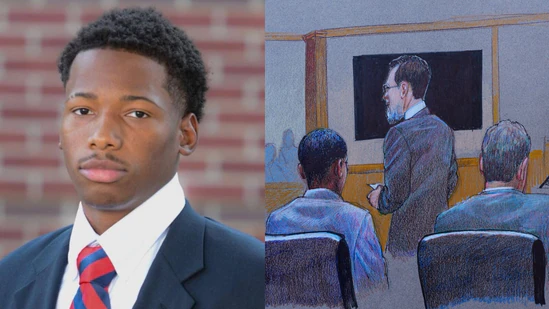
Was Karmelo Anthony Offered a Plea Deal? Fundraiser Rumors Unveiled
Bharatmorningnews.com – Karmelo Anthony, the 19-year-old high school student, was recently convicted of fatally stabbing Austin Metcalf during an inter-school track meet in Frisco, Texas, on April 2, 2025. The verdict has sparked widespread speculation about the legal strategy used by his family, with some claiming that Anthony was offered a plea deal but opted for a trial instead. This controversy has drawn attention to the role of fundraising in shaping public perception of the case.
Anthony’s parents launched a GiveSendGo fundraiser shortly after the incident, raising over $600,000 to support his defense. The campaign has been scrutinized for its timing, with critics suggesting that the family may have prioritized financial backing over a potential plea agreement. However, legal experts emphasize that plea deals are often contingent on factors such as evidence strength, sentencing guidelines, and the defendant’s willingness to cooperate. The question remains: was Anthony ever formally offered a plea deal, or was the fundraiser a strategic move to bolster his case?
The Legal Strategy Behind the Trial
The decision to pursue a trial instead of a plea deal has led to debates about the family’s priorities. Prosecutors argued that Anthony’s actions warranted a life sentence, while his mother, Kayla Hays, testified that a guilty plea would have resulted in a 20-year term. Despite these claims, no official documentation confirms that Anthony was presented with a plea deal. Legal analysts note that such offers are typically made early in the proceedings, yet the family’s fundraising efforts continued even after the trial began.
Some speculate that the absence of a formal plea offer was due to the prosecution’s reluctance to negotiate. Others suggest that Anthony’s parents believed a trial would provide a better opportunity to prove their son’s innocence. The case has also raised questions about the influence of public opinion on the legal process, with the fundraiser serving as a platform to generate sympathy and support for Anthony’s defense.
Public Reaction and Media Commentary
As the trial unfolded, social media platforms became battlegrounds for public sentiment. Right-wing commentators, including Matt Walsh, highlighted the fundraiser as evidence of the family’s focus on financial gain over a plea deal. In a notable quote, Walsh wrote, “If Karmelo had pleaded guilty early on, it would have cut the fundraiser short. His parents chose to send him to trial so they could keep raking in the cash.” Such critiques have intensified discussions about the ethics of using fundraising as a tool to sway legal outcomes.
Conversely, supporters of Anthony argue that the fundraiser was essential to cover legal costs and ensure a robust defense. They point to the emotional testimony of Anthony’s mother, who urged jurors to “show mercy” and acknowledge her son’s remorse. This duality in public perception underscores the broader debate about whether the family’s actions were driven by a genuine desire to secure a fair trial or by a calculated effort to avoid a life sentence.
Legal experts have weighed in on the implications of the case. They note that plea deals are common in criminal cases, as they can reduce trial uncertainty and lower sentencing risks. However, in high-profile cases like this, families often weigh public relations against legal strategy. The question of whether Anthony was offered a plea deal remains unanswered, but the fundraiser has undeniably become a focal point in the narrative surrounding the case.
As the aftermath of the trial continues, the case has drawn comparisons to similar high-profile incidents where families used fundraising to influence legal outcomes. Some question whether the funds raised could have been used to secure a better deal for Anthony, while others argue that the trial was the best path to justice. The debate highlights the complex interplay between legal proceedings, public perception, and the role of fundraising in modern criminal cases.
In conclusion, while the exact details of Anthony’s plea deal negotiations remain unclear, the fundraiser has become a symbol of the family’s efforts to support their son’s defense. The case serves as a reminder of how legal strategies can be shaped by both evidence and public sentiment, with the question of whether a plea deal was offered continuing to fuel discussions about the fairness of the trial process and the influence of external factors on judicial outcomes.