
US blocks China and Pakistan’s bid to have UNSC designate BLA, Majeed Brigade as terrorist organisations
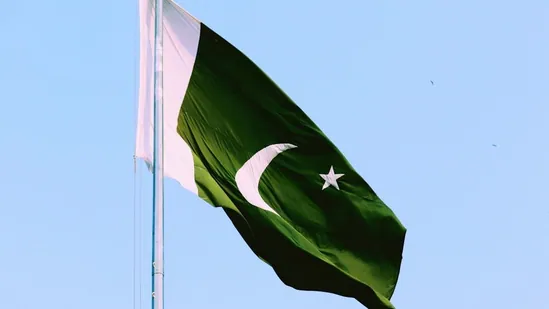
US Blocks China and Pakistan’s Bid to Label BLA, Majeed Brigade as Terrorist Groups
Bharatmorningnews.com – The United States has thwarted China and Pakistan’s coordinated attempt to have the United Nations Security Council (UNSC) designate the Balochistan Liberation Army (BLA) and its affiliate, the Majeed Brigade, as terrorist organizations. This decision, announced in September 2024, follows a proposal submitted by the two nations to strengthen regional counterterrorism efforts. The US, alongside France and the United Kingdom, opposed the designation, signaling a growing divergence in how global powers assess militant groups operating in South Asia.
Strategic Alliances and Veto Power Dynamics
China and Pakistan, long-standing strategic partners, sought to leverage their influence within the UNSC to push for the recognition of the BLA and Majeed Brigade as terrorist entities. The proposal was submitted under the 1267 Sanctions Committee, which China chairs and Pakistan previously led. However, the US’s opposition, bolstered by its veto power, overshadowed the bid. The US argued that the designation could inadvertently target local groups with broader nationalist agendas, reflecting its nuanced approach to regional security.
Geopolitical Implications of the Decision
The US’s rejection of the designation has significant implications for the Pakistan-China axis, which has often aligned on counterterrorism issues. Pakistan, currently a non-permanent member of the UNSC for the 2025–26 term, had emphasized the BLA’s role in attacking Indian interests in Balochistan. Meanwhile, China has historically supported Pakistan’s efforts to categorize groups like the East Turkistan Islamic Movement as terrorist, while also resisting Indian-led designations. The US’s stance underscores its prioritization of stability in the region, balancing concerns about militant activity with diplomatic relationships.
“China and Pakistan’s proposal aimed to enhance the UNSC’s ability to combat terrorism through targeted sanctions,” stated Ambassador Asim Iftikhar Ahmed, Pakistan’s Permanent Representative to the UN. “However, the US’s opposition highlights the need for a more comprehensive assessment of these groups’ activities and affiliations.”
The BLA, a Baloch separatist group, has been accused of orchestrating attacks on Indian security forces and civilians in the region. Its Majeed Brigade, considered a splinter faction, has also claimed responsibility for bombings and ambushes. Despite these actions, the US has remained cautious, arguing that the groups’ ties to Afghan sanctuaries and their support for local causes warrant further scrutiny. This stance contrasts with the views of some Western allies, who see the designation as a critical tool in countering cross-border terrorism.
Historical Context of US Counterterrorism Designations
The US has a history of designating groups as foreign terrorist organizations to justify sanctions and military actions. In 2019, the BLA was labeled a Specially Designated Global Terrorist (SDGT) following attacks on civilian infrastructure in Pakistan. The Majeed Brigade was later added as an alias to this designation, aligning with the US’s broader strategy to consolidate lists of militant groups. The decision to block the designation this year may be influenced by the groups’ recent activities, including the 2024 suicide bombings near Karachi’s airport and the 2025 hijacking of the Jaffar Express train, which killed 31 people and held 300 hostage.
The US’s opposition to the BLA and Majeed Brigade designation reflects its broader geopolitical calculus. By blocking China and Pakistan’s bid, Washington aims to maintain a unified front against shared threats while avoiding the perception of singling out Pakistan for its domestic conflicts. This approach also allows the US to retain leverage in its bilateral relations with both countries, particularly as Pakistan seeks to bolster its security credentials through international recognition.
Following the decision, analysts noted that the BLA and Majeed Brigade may continue their operations with relative impunity. The group’s influence in Balochistan remains strong, and its ties to Afghan militants could complicate regional security dynamics. Meanwhile, China’s persistent support for Pakistan underscores its strategic interests in maintaining a stable partner against Indian aspirations in the region. The outcome of this bid highlights the challenges of achieving consensus on terrorism designations, as nations with competing priorities navigate the UNSC’s decision-making process.