
Starmer’s exit marks Brexit anniversary: Is ‘Bregret’ behind UK losing sixth PM in 10 years?
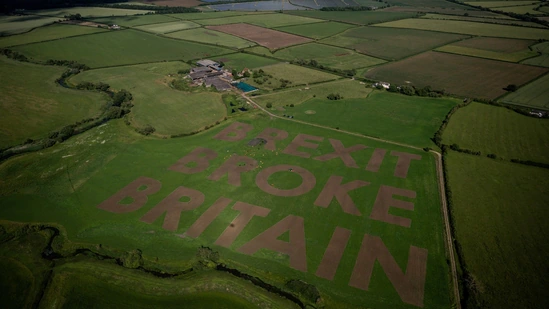
Starmer’s Exit Marks Brexit Anniversary: Bregret’s Influence on UK Leadership Shifts
A Leadership Transition Amidst Brexit Legacy
Bharatmorningnews.com – Keir Starmer’s resignation as Labour Party leader coincided with the 10th anniversary of the Brexit referendum, sparking speculation about the role of “Bregret” in reshaping UK politics. The date, June 22, holds symbolic significance as it marks the moment Britain began its departure from the European Union. With the UK now navigating the long-term consequences of its decision to leave the EU, Starmer’s exit has intensified discussions about the impact of Brexit on political stability and leadership dynamics.
‘Bregret’ and the Unraveling of Political Consensus
As the UK grapples with the aftermath of Brexit, a growing sentiment of regret among voters has emerged. Recent polls indicate that 52% of Britons now express dissatisfaction with the referendum, while 33% remain supportive. This “Bregret” phenomenon reflects a broader disillusionment with the political establishment, which has struggled to manage the complexities of leaving the EU. Starmer’s party, which initially opposed Brexit, has since adapted to the new reality, yet the debate over the decision continues to fuel instability.
The term “Bregret” encapsulates the mixed emotions surrounding Brexit, with its effects rippling across leadership changes. Since the referendum, six prime ministers have resigned—a rate of turnover unmatched in modern British history. Starmer’s departure follows a pattern of political upheaval, as leaders attempt to balance public opinion with the demands of a fragmented electorate. Analysts suggest that the referendum’s legacy has created a climate where even centrist figures face pressure to align with either pro-EU or Brexit-focused agendas.
Leadership Instability: A Timeline of Resignations
The Brexit vote set off a cascade of leadership changes that reshaped the UK’s political landscape. David Cameron, the Conservative leader who initiated the referendum, stepped down immediately after the decision was finalized. Theresa May followed in 2019, unable to secure parliamentary approval for her Brexit deal. Boris Johnson, known for his strong pro-Brexit stance, was ousted by his own party in 2022 amid ethical controversies. Liz Truss, who became the shortest-serving prime minister in history, lasted just 49 days before her economic policies triggered market turmoil.
Starmer’s resignation in 2024 marks the latest chapter in this story of political uncertainty. His exit underscores how Brexit has not only influenced policy but also reshaped the way leaders are elected and retained. With Andy Burnham, the former Greater Manchester mayor, now emerging as a key contender, the question remains: can the UK’s political leadership stabilize amid the enduring impact of the referendum?
Uncertain Economic and Social Impacts
The economic consequences of Brexit have been profound, with the Office for Budget Responsibility reporting a 4% decline in productivity since the UK’s departure from the EU. This loss has translated into an estimated £100 billion annual cost, affecting both public services and private sector growth. Meanwhile, immigration trends have shifted dramatically, with post-Brexit net migration peaking at 944,000 in 2023 before easing to 171,000 by 2025. These changes have kept the issue of worker migration at the forefront of political debates.
Starmer’s leadership, like that of his predecessors, has been shaped by the challenges of Brexit. His party’s efforts to reconcile with the referendum’s outcome have been met with mixed success, as voters demand clarity on economic stability and national sovereignty. The continued presence of “Bregret” in public discourse suggests that the UK’s political future remains tied to how effectively leaders address the long-term implications of leaving the EU.
The Role of Ideology in Leadership Challenges
Starmer’s decision to resign highlights the ideological tensions that have persisted since the Brexit vote. While his party initially opposed the referendum, it has since had to adjust its strategy to accommodate the new political reality. This shift has created a divide between core supporters and those who now prioritize pragmatic governance over ideological purity. The phenomenon is not unique to Labour; Conservative leaders have also faced pressure to balance Brexit aspirations with economic concerns.
Analysts argue that the Brexit era has transformed UK politics into a more polarized environment. The “Bregret” movement, though not monolithic, has fragmented the political center, making it harder for leaders to maintain broad support. As Starmer’s exit signals the end of an era, it raises questions about whether the UK can find a leader capable of uniting a divided electorate and steering the nation through its post-Brexit journey.