
Extreme temperatures expected at Grand Canyon in US after 3 die in heat-related incidents
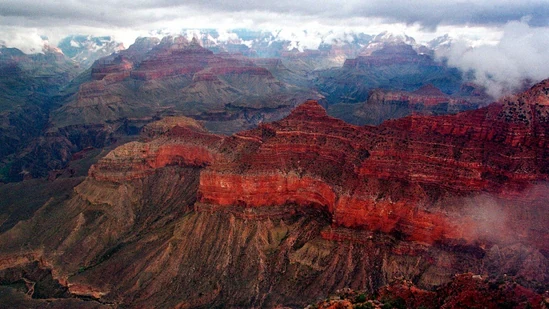
Heatwave at Grand Canyon Claims 3 Lives as Extreme Temperatures Loom
Bharatmorningnews.com – As the Grand Canyon National Park braces for a severe heatwave, authorities have issued urgent alerts about the escalating risk of extreme temperatures, which are forecast to reach unprecedented levels early next week. This development comes in the wake of three tragic deaths linked to heat-related illnesses, raising concerns about the safety of visitors in the region. The National Weather Service has activated an extreme heat watch for the canyon, highlighting the critical need for preparedness among hikers and outdoor enthusiasts.
Unprecedented Heat Conditions and Safety Measures
The National Weather Service (NWS) has confirmed that temperatures in the Grand Canyon’s lower elevations, including the iconic Phantom Ranch, could surpass 110°F (43°C) during the peak of the heatwave. This surge in heat has prompted the National Park Service (NPS) to issue detailed safety advisories, urging hikers to plan their routes carefully and avoid prolonged exposure during the hottest hours. The recent fatalities have intensified calls for enhanced measures to protect the public from the extreme conditions.
“Extreme temperatures expected at Grand Canyon this week have created a dangerous environment for visitors. We’re emphasizing hydration, shade, and early morning hikes to mitigate risks,” said an NWS spokesperson in a recent statement. “The recent incidents serve as a stark reminder of the importance of staying informed and adapting to these extreme weather patterns.”
Heat-Related Emergencies and the Human Toll
Three hikers lost their lives in the past week, with two found on June 16 on the North Kaibab Trail and a third dying on June 12 along the South Kaibab Trail. The NPS attributed these deaths to heat illness and heat exhaustion, conditions exacerbated by the canyon’s unique geography that traps solar radiation and creates microclimates with intense heat. The recent heatwave has not only tested the limits of human endurance but also highlighted the vulnerability of elderly visitors and those unaccustomed to desert climates.
Authorities are also cautioning that the Grand Canyon’s temperatures are part of a larger trend of extreme weather events in the Western United States. With the region experiencing prolonged dry spells and rising global temperatures, the frequency and severity of such heatwaves are expected to increase, posing ongoing challenges for both recreational activities and emergency response systems.
Wildfires and the Interconnected Threats
While the Grand Canyon faces extreme temperatures, nearby Oak Creek Canyon is also grappling with its own crisis as a wildfire ignited near Sedona has forced evacuations and closed segments of state highways. The blaze, which has consumed hundreds of acres, has added another layer of complexity to the situation, with fire officials warning of potential spread to surrounding areas. The combination of high heat and dry conditions has created a perfect storm for wildfires, compounding the dangers for both residents and tourists.
“Extreme temperatures expected at Grand Canyon have accelerated the fire’s growth, making containment efforts more challenging,” explained a fire information officer. “The heat not only intensifies the flames but also dries out vegetation, increasing the risk of further spread. We’re working closely with the NPS to monitor how these conditions might impact the canyon’s ecosystems and visitor safety.”
Historical Context and Climate Patterns
The Grand Canyon’s extreme temperatures are not an anomaly but part of a recurring pattern that has shaped the region’s climate for decades. Historically, summer months have seen temperatures in the lower canyon rise to over 100°F, with the monsoon season typically bringing much-needed relief. However, recent data suggests that the onset of monsoons is delayed, leaving the area vulnerable to prolonged heat events. This trend aligns with broader climate shifts, including rising average temperatures and more frequent heatwaves across the Southwest.
Experts warn that the Grand Canyon’s unique topography—characterized by steep cliffs, narrow valleys, and limited shade—makes it particularly susceptible to extreme heat. The combination of these natural factors with human activity, such as hiking during peak hours, has led to a surge in heat-related emergencies. As the heatwave intensifies, officials are urging travelers to take the situation seriously and prepare accordingly.
Preparing for the Future: Adaptation Strategies
In response to the growing threat of extreme temperatures, park officials are implementing new strategies to ensure visitor safety. These include expanded hydration stations, updated trail signage warning about heat risks, and increased ranger patrols during the hottest periods. Additionally, the NPS is collaborating with climate scientists to develop long-term adaptation plans that account for rising temperatures and their impact on the canyon’s environment and infrastructure.
“Extreme temperatures expected at Grand Canyon this week are a preview of what’s to come. Our focus is on educating visitors and improving resources to handle these challenges,” said a National Park Service official. “We’re also working with local communities to create emergency response protocols that address both heatwaves and wildfires.”
As the region continues to face these dual threats, the importance of preparedness cannot be overstated. Whether it’s staying hydrated, checking weather updates, or adjusting travel plans, every step taken to mitigate the risks of extreme temperatures can make a critical difference. The Grand Canyon, a natural wonder known for its awe-inspiring vistas, is now a reminder of the growing impact of climate change on both human and environmental safety.