
Iran ordered to ‘leave USA immediately’ after FIFA 2026 World Cup match against New Zealand
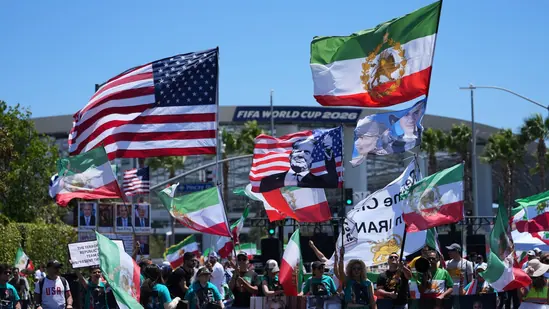
Iran Ordered to Leave USA Immediately After FIFA 2026 World Cup Match Against New Zealand
Bharatmorningnews.com – The Iranian national football team was abruptly instructed to vacate the United States after their FIFA 2026 World Cup encounter with New Zealand on Tuesday. This directive, issued following a 2-2 draw in the opening match, left the squad scrambling to adjust to the sudden change in their schedule. The decision has sparked controversy, with players and coaches expressing concerns over the lack of preparation time for subsequent games.
The Tense Atmosphere of the World Cup Match
The game at the Los Angeles Stadium, held on June 17, became a focal point for both teams and fans alike. Iran’s performance, marked by defensive resilience and attacking flair, showcased the team’s potential on the global stage. Despite the evenly contested result, the match was overshadowed by the immediate post-game decision to send the squad back to Tijuana, Mexico, without a chance to rest. Coach Amir Ghalenoei noted the disarray, stating, “They didn’t even give us time to recover after today’s game.”
The abrupt departure disrupted the team’s travel logistics, forcing them to endure a 140-mile journey from their training base in Tijuana to the match venue. Players reported physical exhaustion and fatigue, with some even experiencing muscle cramps during the game. Ghalenoei emphasized that the lack of rest had a tangible impact on their performance, though the draw kept them in contention for progression in the group stage.
Political Tensions and FIFA’s Role in the Decision
The political climate between Iran and the United States has intensified during the tournament. Tensions, heightened by the ongoing conflict in the Middle East, have created a backdrop of uncertainty for the Iranian squad. Initially, the team had considered withdrawing from the competition, but FIFA’s refusal to relocate matches out of the U.S. solidified their commitment to the event.
Ghalenoei criticized the situation, calling it the most “oppressed” experience for the team. He highlighted that the challenges began long before the tournament, including delays in arrival and the forced early departure. “They are creating more hurdles for us, but we will continue to give our best,” he remarked, underscoring the team’s determination despite the logistical strain.
Iran’s captain, Mehdi Taremi, echoed the frustration, describing the chaotic travel conditions. “We endured five hours of travel and security checks on a normally short trip from Tijuana to Los Angeles,” he explained. “We were supposed to arrive two nights prior and stay overnight to recover. Now, we’re being sent back without that time, and we’re unsure why.”
The blockquote from Taremi, “It’s all very stressful for the players and staff, but we’re not getting the support we need,” encapsulates the team’s struggle. FIFA’s decision to keep Iran in the U.S. for the next round, however, has raised questions about the organization’s ability to support teams facing political challenges. Critics argue that the lack of flexibility has placed undue pressure on Iran’s preparation for their upcoming fixtures.
Iran’s next matches, against Belgium in Los Angeles on June 21 and Egypt in Seattle on June 28, will be crucial for their World Cup campaign. Despite the setbacks, the team remains focused on delivering their best performance. Ghalenoei’s comments reflect a broader sentiment among players, who are navigating the complexities of international competition while dealing with external pressures.