
When preventive health check-ups do more harm
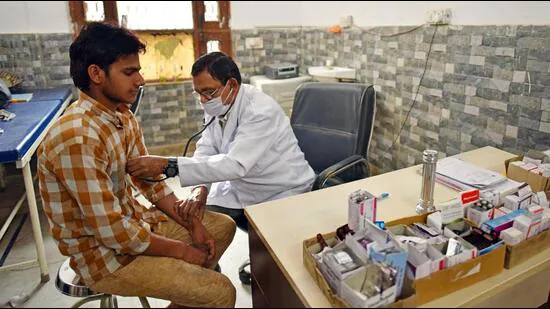
When Preventive Health Check-Ups Do More Harm
Bharatmorningnews.com – Preventive health check-ups, once celebrated as a cornerstone of modern healthcare, are now under scrutiny for their potential to cause more harm than good. As the demand for early disease detection grows, so does the frequency of these screenings. Yet, their effectiveness is not universal. Many tests, while designed to identify health risks, can lead to overdiagnosis, unnecessary treatments, and increased anxiety for patients. The focus keyword—*when preventive health check-ups do*—raises a critical question: how often do these routine assessments fail to deliver their intended benefits? In a world where health is commodified and early intervention is glorified, understanding the risks associated with preventive health check-ups is essential to ensuring they serve their purpose without creating unintended consequences.
The Paradox of Overdiagnosis
One of the most significant challenges of preventive health check-ups is the prevalence of overdiagnosis. While these tests aim to catch diseases at an early stage, they often flag conditions that may never progress to a symptomatic state. For example, the treadmill stress test, commonly used in preventive programs, has a documented rate of false positives—incorrectly identifying issues in patients who are actually healthy. This can lead to cascading effects, such as additional diagnostic tests, invasive procedures, and even lifestyle changes that are not medically necessary. The irony is that these interventions, meant to protect health, may instead create a cycle of treatment without clear benefits. Patients may be subjected to unnecessary costs, side effects, and a sense of false reassurance, all while their true health status remains uncertain.
The South Korean Case Study
South Korea’s experience with thyroid cancer screenings provides a compelling case of how preventive health check-ups can alter disease statistics without necessarily improving outcomes. In the early 2000s, the country introduced widespread ultrasound screenings for thyroid nodules, which led to a 15-fold increase in detected cases. However, this surge was not accompanied by a drop in mortality rates, indicating that many of these diagnoses were incidental rather than life-threatening. The incident highlights the importance of balancing early detection with the risks of overtreatment. Preventive health check-ups, while valuable in certain contexts, must be paired with robust evidence of their long-term benefits. Otherwise, they risk creating a healthcare landscape where more diagnoses mean more interventions, even when the underlying conditions are not serious.
“Preventive health check-ups can be a double-edged sword. While they enable early detection, they also expose patients to the psychological and financial burdens of unnecessary procedures,” says Dr. Anand Mehta, a leading expert in diagnostic medicine.
The Role of Insurance and Policy
The push for preventive health check-ups is often driven by economic incentives. Insurance companies and governments frequently promote these tests as cost-effective measures to reduce long-term healthcare expenditures. However, this approach can lead to a misalignment between cost-benefit analysis and actual patient outcomes. For instance, in some regions, annual wellness visits are mandated for all employees, resulting in a flood of screenings that may not be tailored to individual risk profiles. This one-size-fits-all model risks normalizing tests that are not appropriate for every demographic. Moreover, the financial pressure to adopt preventive health check-ups can overshadow the need for personalized care, pushing providers to prioritize volume over value. As a result, the question of *when preventive health check-ups do* more harm becomes not just a medical concern, but a systemic one.
Psychological and Economic Burdens
Preventive health check-ups also carry hidden psychological costs. A positive result can trigger anxiety, even in the absence of definitive evidence. For example, a patient who receives an abnormal finding on a routine screening may feel compelled to pursue aggressive treatment, fearing the worst. This emotional toll can be compounded by the economic burden of repeated testing. In some cases, the cost of follow-up procedures exceeds the benefits, especially when the initial test was not reliable. The phrase *when preventive health check-ups do* more harm is not just a metaphor—it reflects the tangible consequences of overreliance on screening. By understanding these trade-offs, healthcare systems can refine their protocols to ensure that check-ups remain a tool for health improvement rather than a source of distress and financial strain.
To address these challenges, a more nuanced approach to preventive health check-ups is necessary. Instead of treating them as a universal solution, healthcare providers should assess each patient’s individual risk factors and medical history. This personalized strategy can minimize the likelihood of overdiagnosis and ensure that interventions are both needed and effective. Additionally, policymakers must prioritize transparency in the evidence supporting each test, discouraging the adoption of unproven procedures. By doing so, preventive health check-ups can regain their rightful place as tools for proactive health management, rather than contributors to unnecessary harm. The journey to achieving this balance begins with recognizing that *when preventive health check-ups do* more harm is not an anomaly—it is a growing concern that demands attention and reform.