
Tere muh se itni gandagi kyun nikalti hai?: Sunil Pal fires back at Samay Raina’s ‘brush joke’ on India’s Got Latent S2
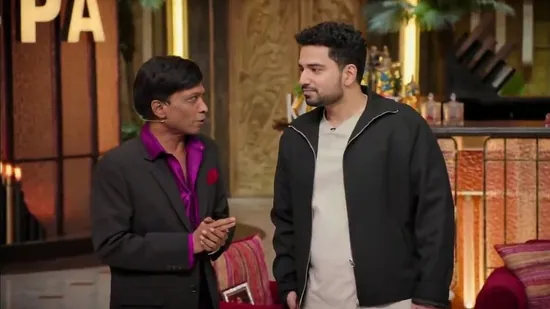
Tere Muh Se Itni Gandagi: Sunil Pal Confronts Samay Raina’s ‘Brush Joke’ on India’s Got Latent S2
Bharatmorningnews.com – In the latest season of the popular comedy show India’s Got Latent, Samay Raina once again stirred controversy with his signature ‘brush joke’—a quip that has sparked heated debates among fans and critics alike. The phrase, ‘Tere muh se itni gandagi kyun nikalti hai?’ (Why is so much garbage coming out of your mouth?), has become a recurring punchline in Raina’s act, drawing both laughter and ire. Veteran comedian Sunil Pal, known for his sharp wit and candid critiques, took to social media to deliver a scathing response, reigniting their public rivalry and bringing the conversation to the forefront of Indian comedy discourse.
The Roots of the Joke
Samay Raina’s ‘brush joke’ has been a staple in his performances for years, often used as a metaphor for someone’s tendency to speak carelessly or provoke controversy. The phrase plays on the double meaning of ‘brush’—a literal object used to clean or smooth surfaces, and a colloquial term for dismissing or ignoring something. By framing the joke as a critique of Sunil Pal’s remarks, Raina’s delivery has been interpreted as a calculated attempt to shift the narrative. However, the humor is not without its critics, who argue that it oversimplifies complex issues and relies on cultural stereotypes for comedic effect.
Samay Raina, main tujhe issliye maaf kar raha hoon kyunki raat ke time hum show karte hai aur tere naam ka matlab hi raat ka time hai. Samay matlab time aur Raina matlab raat. Raat ke time ki hum respect karte hai.
(Translation: ‘Samay Raina, I’m forgiving you because we perform at night, and your name’s meaning aligns with nighttime—’Samay’ signifies time, while ‘Raina’ translates to night. We respect the night.’) This response, delivered with a mix of mimicry and sarcasm by Sunil Pal, has since gone viral, with many viewers praising its cleverness and others calling it a personal jab. The joke’s structure hinges on the interplay between language and identity, a theme that has resonated deeply with audiences across the country.
Comedic Clash and Audience Reactions
While Sunil Pal’s retort is a testament to his sharp wit, it also highlights the intensity of the rivalry between the two comedians. Their exchange has become a symbol of the evolving landscape of Indian stand-up comedy, where personal jabs and ideological clashes often blur the line between entertainment and criticism. Fans have been divided, with some applauding Raina’s humor and others defending Pal’s right to respond with equal measure. Social media platforms have become battlegrounds for this debate, with hashtags like #TereMuhSeItniGandagi and #IndiaGotLatent trending for days.
The phrase ‘Tere muh se itni gandagi kyun nikalti hai?’ has sparked conversations beyond the confines of the comedy show. It has been dissected in online forums, with language experts analyzing the linguistic nuances and cultural references embedded in the joke. For instance, the word ‘gandagi’ carries a weighty connotation in Indian culture, often used to describe not just verbal garbage but also a lack of substance or a propensity for gossip. By invoking this term, Raina’s joke takes on a broader critique of public figures who prioritize style over content.
Contextualizing the Joke in Indian Comedy Culture
The joke’s effectiveness lies in its ability to tap into familiar cultural touchstones, making it relatable to a wide audience. In Indian comedy, puns and wordplay are common tools for humor, often rooted in the language’s rich lexicon and the comedian’s personal style. Samay Raina, with his distinctive delivery and self-awareness, has mastered this art, using his platform to challenge norms and provoke thought. However, the phrase ‘Tere muh se itni gandagi’ also serves as a reminder of the power of language in shaping public perception. It’s a line that can be interpreted in multiple ways—sometimes as a joke, sometimes as an accusation.
When Sunil Pal responded with his own quip, ‘Bhai, main brush nahi karta hoon tune aisa mujhe,’ he not only mirrored Raina’s style but also added a layer of personal attack. This retort, which plays on the word ‘brush’ as a metaphor for indifference, underscores the competitive nature of the Indian comedy scene. The phrase has since been used in memes and GIFs, further amplifying its reach. This kind of interaction, where jokes are not just laughed at but debated, is a hallmark of contemporary comedy culture, where the audience’s role has expanded from passive viewers to active participants in shaping the narrative.
The Broader Implications for Comedy and Public Discourse
Samay Raina’s joke and Sunil Pal’s response have become emblematic of a larger trend in Indian comedy—where personal attacks and verbal sparring are not only acceptable but often expected. This dynamic reflects the show’s influence as a platform for comedians to engage with societal issues, political figures, and even fellow performers. The phrase ‘Tere muh se itni gandagi’ has taken on a life of its own, with fans using it to describe everything from social media posts to public statements. Its virality demonstrates the power of concise, impactful language in capturing the zeitgeist of a moment.
Comedians like Raina and Pal have also been vocal about the importance of context in humor. While the joke may be lighthearted on stage, its implications can be more profound in the digital age, where a single phrase can be amplified exponentially. The exchange has prompted discussions about the role of comedians as social commentators and the responsibility that comes with using punchlines that affect public sentiment. For instance, the use of ‘gandagi’ in the joke has been seen by some as a subtle way to critique individuals who are perceived as being overly verbose or insincere.
As the controversy around the joke continues to unfold, it serves as a reminder of how language can be both a weapon and a bridge. While the phrase ‘Tere muh se itni gandagi’ may have been intended as a humorous jab, it has also sparked deeper conversations about communication, cultural identity, and the art of comedy. The ongoing debate between Raina and Pal is not just about the joke itself, but about the values and perspectives that underpin their art. This interplay between humor and meaning is what makes the Indian comedy scene so vibrant and ever-evolving.