
Take a bite?: A new cookbook offers a tour of the intriguingly familiar foods of Somalia
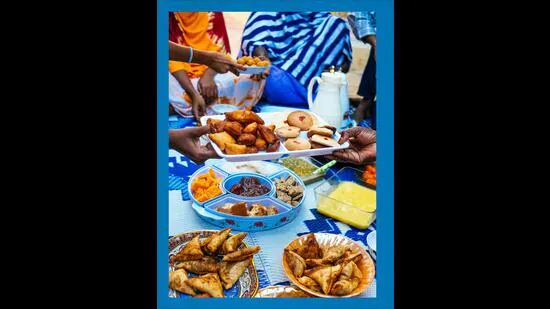
Take a Bite: Exploring Somalia’s Culinary Heritage
Bharatmorningnews.com – Take a bite into Somalia’s rich and diverse food culture with a newly released cookbook that delves into the nation’s uniquely familiar yet intriguing culinary traditions. The book, Soomaaliya: Food, Memory, and Migration, not only highlights the dishes that have been passed down through generations but also captures the essence of a culture shaped by centuries of trade, migration, and adaptation. By bridging the gap between traditional recipes and modern interpretations, the cookbook offers readers a chance to savor the flavors that define Somalia’s gastronomic identity.
Culinary Roots and Global Influences
While Somalia’s cuisine may seem distinct, it shares surprising similarities with neighboring and distant regions. The nation’s beloved drink, shaah, is closely related to Indian chai, and its desserts, like xalwo, closely resemble the texture and flavor of halwa. Flatbreads such as sabaayad and sourdough pancakes like canjeero also find echoes in paratha and dosa, respectively. These connections underscore the country’s historical role as a crossroads of cultures, where trade routes carried spices, techniques, and ingredients across continents, leaving a lasting imprint on its culinary landscape.
Preserving Heritage Through Innovation
The cookbook’s author, Ifrah F Ahmed, a New York-based Somali chef, draws from her personal journey as a refugee to create a narrative that intertwines food with memory and resilience. After fleeing the civil war in 1996 and resettling in Seattle, she noticed a generational disconnect from Somali culinary traditions. In response, Ahmed launched the pop-up restaurant Milk & Myrrh, which blends traditional recipes with local ingredients. For example, Somali-style canjeero is reimagined as breakfast burritos, while salmon sambuus offer a modern twist on classic flavors. This creative approach not only preserves heritage but also makes it accessible to new audiences.
Ahmed’s work is a tribute to the enduring strength of Somali foodways. Despite ongoing conflict and political instability, vibrant communities continue to uphold their culinary traditions. The cookbook’s 75 recipes are designed to revive these ancestral practices, ensuring that the flavors of the past remain alive in the present. By weaving historical context into each dish, Ahmed emphasizes the cultural significance of food as a living archive of Somalia’s heritage.
Stories and Ingredients
Each chapter of Soomaaliya is steeped in the history of its ingredients, offering insights into how social and economic factors have influenced food habits over time. For instance, the use of camel herds, once a cornerstone of Somali culture, persists as a symbol of national pride. Profiles of individuals, such as a former camel herder who became a professor and a shaah-mix maker in the UK, add human depth to the narrative. The inclusion of stunning photographs shot in Mogadishu further enhances the book’s visual storytelling, allowing readers to connect with Somalia’s culinary roots.
“My goal was to preserve food traditions in written form but also respect the intuitive approach to Somali cooking, which has long been an oral practice. For this reason, I developed the measurements in the recipes as a general blueprint, not a rigid formula,” Ahmed explains. This philosophy aligns with the book’s broader mission: to honor the adaptability of Somali cuisine while ensuring its legacy endures through generations.
Ahmed also highlights the challenges facing traditional foods in today’s globalized world. Healthy grains like sorghum, once central to the Somali diet, are now less common due to imported foods and economic pressures. “Cambuulo, a food our ancestors ate long before colonization, was traditionally prepared to welcome guests,” she notes. “If we lose these ancient staples, the traditions tied to them are also at risk of fading.” The cookbook serves as a cultural lifeline, preserving both the recipes and the stories that make them meaningful.
By dedicating the book to her mother and daughter, Ahmed underscores the importance of passing down culinary knowledge. “Without my mother, I would not have learned how to maintain this cultural connection,” she says. “I dedicate it to my daughter because it’s something I hope she’ll learn, not just because she’s a girl but because I want her to inherit the flavors of her homeland.” This personal touch enriches the book’s message, making it more than a collection of recipes—it becomes a testament to the resilience and creativity of Somali culture.