
Setback for TMC: Sukhendu Sekhar Ray resigns as Rajya Sabha MP, quits party
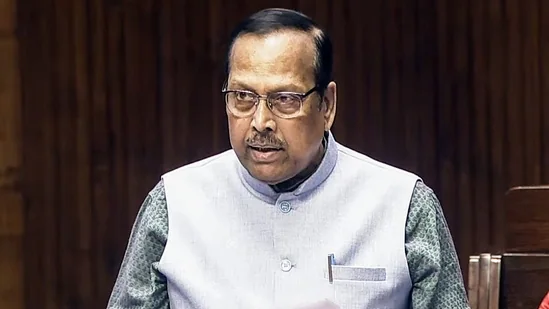
Setback for TMC: Sukhendu Sekhar Ray Resigns as Rajya Sabha MP, Quits Party
Bharatmorningnews.com – Setback for the TMC has taken a new turn as prominent party leader Sukhendu Sekhar Ray has formally resigned from his post as a Rajya Sabha member and announced his exit from the Trinamool Congress (TMC). The decision marks a significant moment in the party’s political trajectory, particularly as it grapples with the aftermath of its historic loss to the Bharatiya Janata Party (BJP) in the recent West Bengal Legislative Assembly elections. Ray’s departure underscores growing dissent within the TMC and highlights the challenges the party faces in maintaining its dominance after a 15-year rule. His resignation, which follows a period of internal strife, signals a potential shift in the party’s leadership dynamics and strategy.
Ray’s Resignation and Political Context
Sukhendu Sekhar Ray, a senior TMC leader, has been a key figure in the party’s governance for years. His resignation from the Rajya Sabha and the TMC comes amid a backdrop of widespread public dissatisfaction with the party’s performance. The BJP’s victory in the state elections was seen as a referendum on the TMC’s governance, with critics pointing to issues such as bureaucratic inefficiencies, corruption allegations, and declining public services as major factors. Ray’s exit, however, is not merely a personal decision but a reflection of broader frustrations within the party’s leadership and grassroots.
In a detailed statement, Ray expressed his support for the BJP’s mandate, stating that the electorate’s choice was a clear indication of the need for change. He emphasized that the TMC’s long tenure had led to complacency and systemic failures, particularly in sectors like healthcare, education, and employment. “The people of West Bengal have given a resounding vote for a new beginning, and this setback for the TMC is a necessary step toward restoring faith in governance,” he remarked. Ray’s departure adds to the list of high-profile resignations within the TMC, which has been struggling to consolidate power since the election results.
Internal TMC Divisions and Leadership Challenges
The TMC’s crisis has intensified in the weeks following the BJP’s victory, with internal divisions becoming increasingly visible. Ray’s resignation follows the controversial recognition of 58 dissenting TMC legislators as the main opposition group by the West Bengal Assembly speaker, Rathindra Nath Bose, on June 3. This move, while symbolic, highlights the deepening fractures within the party, as some members have grown disillusioned with Mamata Banerjee’s leadership. Despite remaining under Banerjee’s banner, these rebels have distanced themselves from her political heir, Abhishek Banerjee, signaling a potential challenge to the party’s unity.
Further complicating the situation, on June 6, Ajmal Siddiqui, a TMC MLA, announced his exit from the party, citing the leadership’s “dictatorial attitude” and its role in undermining the TMC’s reputation. Siddiqui’s defection, along with Ray’s, underscores a pattern of discontent that could erode the party’s parliamentary strength. The TMC’s leadership now faces the daunting task of addressing these internal rifts while navigating the political fallout from its loss. Analysts suggest that the party’s ability to retain its base and rebuild credibility will be crucial in the upcoming months.
Setback for the TMC is not only about losing seats but also about losing momentum. The party’s initial optimism after the election results has been tempered by the departure of influential leaders, raising concerns about its ability to stabilize. Ray’s exit, combined with the growing number of dissenters, has prompted questions about the party’s internal cohesion. While Mamata Banerjee remains the party’s de facto leader, the leadership’s reliance on a small core of loyalists may weaken its influence. This could lead to a more fragmented political landscape, where the TMC struggles to present a united front against the BJP.
Ray’s decision to quit the party also has implications for the Rajya Sabha, where he represented West Bengal. His departure reduces the TMC’s representation in the upper house and could create a vacuum that other parties may seek to fill. The BJP, which has now assumed power in the state, is likely to capitalize on this setback for the TMC by promoting its own candidates. Meanwhile, the TMC’s opposition to the BJP’s policies may gain momentum, but the party’s internal challenges could hamper its effectiveness. Political observers note that the TMC’s focus on rebuilding its image and reuniting its ranks will be essential to mitigate the impact of this resignation.
Setback for the TMC has been a gradual process, but Ray’s resignation marks a pivotal moment. The party’s failure to address long-standing issues and its inability to retain key members have raised concerns about its future. With the BJP now in power, the TMC must adapt to a new political reality, where its challenges extend beyond the state elections. The party’s leadership will need to reassess its strategies, improve governance, and win back public trust to prevent further erosion of its influence. Ray’s exit, while a blow, may also serve as a catalyst for much-needed reforms within the TMC.
As the TMC confronts its current crisis, the broader implications of this setback for the party remain significant. The resignation of Sukhendu Sekhar Ray and the departure of other dissenters have not only weakened the party’s electoral prospects but also exposed vulnerabilities in its leadership structure. With the BJP now leading in West Bengal, the TMC’s ability to recover will depend on its capacity to address internal discord and deliver on its promises. The coming weeks will be critical in determining whether the party can rebuild its strength or continue to face setbacks in the political arena.