
Meters to be made mandatory on all borewells in Delhi, will help decide water bills
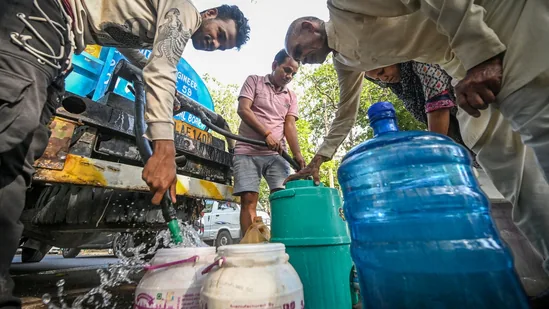
Delhi Mandates Water Meters on All Borewells for Accurate Billing
Bharatmorningnews.com – Delhi’s municipal authorities have announced that meters will be made mandatory for every domestic and commercial borewell in the city. This policy aims to ensure groundwater usage is measured precisely, enabling fair water billing based on actual extraction levels. The move comes after months of planning and consultations, with officials emphasizing that it will address long-standing issues of unregulated groundwater consumption and promote sustainable water management. By linking water costs directly to usage, the government hopes to encourage responsible consumption and provide clarity to users who rely on borewells for their water needs.
Policy Objectives and Implementation Framework
The new regulation is part of a broader initiative to modernize Delhi’s water distribution system and reduce wastage. According to a senior official, the policy introduces a continuous monitoring mechanism that will replace the previous one-time approval model. “This change ensures accountability by tracking water usage in real time,” they said. “Users will no longer pay fixed fees; instead, they will be charged proportionally to their consumption, which aligns with global best practices for water resource management.” The plan also includes provisions to formalize unregistered borewells, which have been operating without oversight for years, and integrate their data into the city’s overall water management database.
“The policy will not only help in setting accurate water bills but also serve as a deterrent against over-extraction,” noted an environment department representative. “By making meters compulsory, we can monitor usage patterns and identify areas where groundwater depletion is a concern.”
The implementation timeline is yet to be finalized, but officials have indicated that the first phase will focus on high-density areas where borewell activity is most prevalent. Compliance will be enforced through regular inspections, and penalties will apply to those who fail to install meters within the specified period.
Challenges in Identifying Unauthorized Borewells
Despite the government’s efforts to regulate borewells, identifying unauthorized ones remains a significant challenge. Last year, over 15,962 unregistered borewells were sealed, but officials estimate that the actual number could be double that due to hidden installations. “Many illegal borewells are concealed beneath buildings or disguised as private wells, making them difficult to detect,” said a district committee member. To tackle this, the government is launching a comprehensive door-to-door survey to verify all existing water connections and collect borewell data systematically. This approach is expected to uncover previously unaccounted wells and ensure accurate tracking of groundwater use.
“The survey will also help us assess the feasibility of linking borewells to the city’s water grid,” added a Delhi Jal Board (DJB) official. “This will streamline the process of granting permits and reduce the number of unregistered wells over time.”
The challenge is compounded by the lack of a centralized registry for borewells. With the new policy, all installations will be required to register their meters, creating a unified database that can be used for monitoring and enforcement. This step is crucial for combating the illegal extraction of groundwater, which has been a major contributor to the city’s water crisis.
Environmental and Economic Impacts of the Policy
The introduction of mandatory meters is expected to have both environmental and economic benefits. Environmentally, it will help in assessing the impact of borewell activities on groundwater levels, enabling targeted interventions in overused areas. Economically, the policy aims to reduce billing discrepancies and ensure that users pay for the exact amount of water they consume. “This will prevent overcharging and encourage conservation,” explained a DJB official. “For instance, in neighborhoods with unreliable piped water supply, borewell users will now pay based on usage rather than a flat rate.”
“The new system will also promote transparency and reduce the risk of water wastage,” said an environmental expert. “By having meters installed, we can generate real-time data that will inform policy decisions and help allocate water resources more efficiently.”
The policy’s success will depend on consistent enforcement and public cooperation. Officials have also emphasized that the mandatory meters will provide a reliable basis for setting usage charges, which will be adjusted periodically to reflect current groundwater availability and consumption trends. This dynamic pricing model is designed to incentivize sustainable practices while ensuring equitable access to water.
Steps Toward a Sustainable Water Future
As part of this initiative, the Delhi government has partnered with the Central Ground Water Board (CGWB) to refine the pricing formula and ensure its effectiveness. The CGWB will play a key role in determining the location-based rates for borewell usage, taking into account factors such as water table levels and regional demand. “This collaboration will help us create a fair and science-based system,” said a CGWB representative. “We are also working on an awareness campaign to educate users about the importance of meter installation and the benefits of accurate billing.”
“The policy is a critical step in ensuring that Delhi’s groundwater resources are used responsibly,” concluded an environment minister. “By making meters mandatory, we are taking control of a vital natural resource and paving the way for long-term water sustainability.”
With the implementation of this policy, the government hopes to set a precedent for other cities facing similar groundwater challenges. The focus on meters to be made mandatory reflects a commitment to transparency, accountability, and the efficient management of Delhi’s water supply. This marks a significant shift in how the city approaches groundwater usage, transforming it from an unmonitored practice to a regulated and measured activity.