
Kader Attia: “Art as a practice will always be free, but the art world is not”
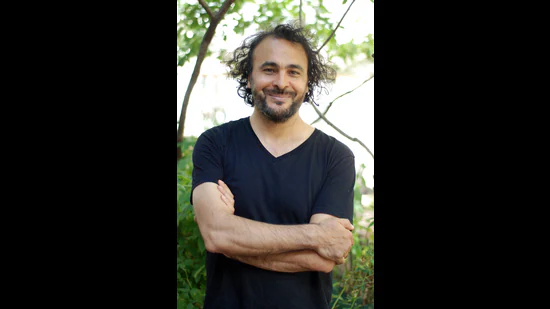
Kader Attia: “Art as a practice will always be free, but the art world is not”
The Curator’s Role in Bridging Connections
Bharatmorningnews.com – For Kader Attia, curating transcends mere exhibition curation. It involves crafting a shared space and moment that fosters human connection, where artworks engage in dialogue to mirror the conversations between people. This process weaves together both the distinct and the overlapping aspects of identity, creating pathways that highlight differences while nurturing unexpected commonalities.
“To me, curating is elaborating a space and time of togetherness. It’s building a conversation between artworks that helps the conversation between humans. It’s creating links that separate and bind people, emphasizing their differences and their unexpected similarities.”
A Dialogue Between Roles: Artist and Curator
Kochi Muziris Biennale has long featured artist-curators, yet Kader Attia sees no inherent division between the two. He finds fulfillment in shifting from his creative practice to the role of a curator, believing both roles stem from the same core: a passion for art and a desire to spark dialogue. While the tasks may differ—artist as creator, curator as mediator—the essence remains unified in their shared purpose.
His perspective highlights how the curator’s identity intertwines with the art world. Whether engaging with exhibitions, literature, or performances, his sense of self fragments into distinct parts, each absorbing the artistic experience in its own way. These fragments, he explains, serve as bridges between personal expression and broader cultural interpretation.
The Emotional Resonance of the Biennale
When asked about the biennale’s emotional dimension, Attia elaborates on its significance. He views it as a sacred space where art evokes feelings that ripple outward, connecting audiences to deeper truths. The Latin root of “emotion”—emovere—captures this idea: a movement of the soul from within to the external world. This concept aligns with Aristotle’s notion of catharsis, where shared emotions in art lead to collective healing.
“Art, particularly art events, is a place for emotions, and emotion is sacred. They rise from our inner selves and emerge into the world, for better or worse.”
Preparing for the Biennale: A Cultural Immersion
Kader Attia emphasizes the importance of preparation when curating in an unfamiliar region. While time is a valuable tool, physical presence in the location becomes essential. He plans to relocate with his family to India, either near Kerala or directly to Kochi, to deeply engage with the cultural and geographical context. This immersion includes listening to the subtle rhythms of the area—local and global influences—that shape the biennale’s narrative.
The process also involves building relationships with diverse individuals, from artists and academics to those outside the art world who inspire creativity. These include psychologists, cooks, gardeners, and philosophers, whose perspectives enrich the project’s depth. Attia aims to let the space itself guide the curation, ensuring the dialogue remains authentic and resonant.
Ephemeral Spaces and the Curator’s Responsibility
The biennale exists as a temporary construct, lasting only 110 days. For Attia, this brevity is both a challenge and an opportunity. Artists and curators must consider how to make their vision endure beyond its fleeting existence. He argues that the repetition of the event every two years with new participants demands a conscious effort to create an experience that lingers in memory, whether through deliberate impact or subtle resonance.
“Why a new exhibition?” he reflects. “In this ocean of biennales and contemporary cultural events, this question is crucial. There are many possible answers, but they should all lead to one fact: the aim of your edition is to be unforgettable, both consciously and subconsciously.”