
IMD issues landslide warning for Shimla and other Himachal districts; tourists advised caution
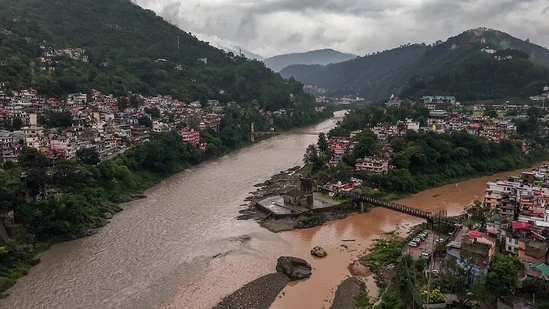
IMD Issues Landslide Warning for Shimla and Other Himachal Pradesh Districts
Bharatmorningnews.com – The India Meteorological Department (IMD) has issued a landslide warning for Shimla, emphasizing the heightened risk of landslides in key districts of Himachal Pradesh. This alert comes as the state braces for heavy rainfall and monsoon activity, which are expected to persist for several days, creating conditions conducive to soil erosion and slope instability. The warning serves as a critical reminder for both residents and visitors to remain vigilant and take necessary precautions in the hilly terrain.
Regional Vulnerability and Risk Zones
According to the IMD, the districts of Kangra, Kinnaur, Kullu, Mandi, Shimla, and Sirmaur are under special observation due to their susceptibility to landslides. These areas, characterized by steep terrain and dense vegetation, face an elevated risk of mudslides and debris flows as rainfall intensifies. The warning specifically highlights that certain regions within these districts—such as the hill slopes near riverbanks and construction sites—may experience sudden landslides, posing a threat to infrastructure and human safety.
The department’s impact-based forecasting approach underscores the importance of early warnings to minimize disaster impact. With monsoon rains continuing through mid-July, authorities have been urged to monitor soil saturation levels and prepare for potential emergencies. The IMD has advised that heavy rainfall at isolated locations could occur daily, while other areas may see moderate downpours over the next four to five days. This pattern is expected to remain consistent, particularly in the middle hills, which are more prone to erosion.
Monsoon Forecast and Regional Impact
The active phase of the Southwest monsoon is projected to last until July 13–14, with the third week (July 16–22) likely to see sustained rainfall in the middle hills. However, the lower regions of Himachal Pradesh may experience a gradual decline in precipitation, which could still lead to localized flooding and slope failures. By the end of July, after July 23, the monsoon is anticipated to ease, but the risk of landslides will remain high in areas with saturated soil and weak geological structures.
Experts note that the combination of prolonged rainfall and recent deforestation in certain regions has increased vulnerability. The IMD has reiterated that Shimla, being a hub for tourism and agriculture, is particularly at risk. The warning includes a call to action for local governments to conduct regular assessments of high-risk zones and implement preventive measures such as slope stabilization and drainage improvements.
Travelers are advised to avoid traveling through vulnerable areas during peak rainfall hours and to stay informed via official channels. The IMD has also urged the public to report any signs of slope instability, such as cracks in the ground or unusual water flow, to ensure swift response times. With the weather forecast indicating continued activity in the first half of July, the department is closely monitoring conditions to update advisories as needed.
Historical Context and Preparedness Measures
Historically, Himachal Pradesh has faced significant landslide incidents during the monsoon season, often due to similar conditions. For instance, in 2021, heavy rains triggered landslides in Kinnaur, displacing hundreds of people and damaging roads. The current warnings are seen as a proactive measure to avert similar scenarios. Authorities have started deploying teams to high-risk zones, conducting emergency drills, and coordinating with local communities to enhance disaster readiness.
Residents in Shimla and surrounding districts have been advised to store essential supplies, secure outdoor belongings, and keep evacuation routes clear. The IMD has also partnered with state agencies to provide real-time updates through mobile alerts and social media platforms. These measures aim to ensure that both tourists and locals can navigate the challenges of the monsoon season with minimal disruption.
As the summer monsoon progresses, the IMD’s focus on Shimla and other districts reflects the growing need for regional-specific weather monitoring. The department’s ability to predict such events with precision is vital for mitigating risks and safeguarding livelihoods. With the climate change-driven increase in extreme weather events, these warnings are part of a broader strategy to protect the state’s natural and human resources.
In conclusion, the IMD’s landslide warning for Shimla and Himachal Pradesh districts serves as a critical tool for disaster preparedness. By combining accurate forecasts with actionable guidelines, the department is helping communities adapt to the challenges posed by the monsoon season. The emphasis on Shimla underscores its role as a key area requiring focused attention, ensuring that both tourists and residents can stay safe amid the dynamic weather conditions.