
‘I got an offer’: Trinamool MP Saugata Roy on rebels planning switch to BJP-led NDA; seeks INDIA bloc support for Mamata
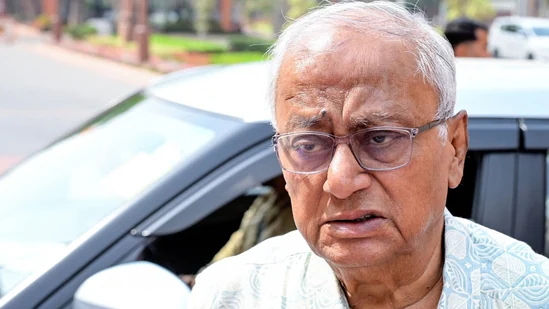
‘I Got an Offer’ – TMC MP Saugata Roy on Defection Movements and INDIA Bloc Solidarity
Bharatmorningnews.com – In a recent statement, Trinamool Congress MP Saugata Roy revealed that he had received a defection offer from the BJP but chose to stay loyal to his party. The news comes amid growing concerns about internal dissent within the ruling party and its potential impact on the stability of the Mamata Banerjee-led government. Roy emphasized that the TMC would benefit greatly from the support of the INDIA bloc, which includes 23 parties, to counter the rising pressures from opposition factions.
The Defection Offer and Political Strategy
“Yes, I got an offer (from the BJP) to join it. But I rejected it. I will stay in the party on whose symbol I won the election,” Roy told news agency ANI. This declaration underscores the strategic importance of the anti-defection law in maintaining party unity. With the TMC currently holding 28 seats in the Lok Sabha, the party needs to retain at least 19 members to avoid disqualification if rebels defect to the BJP-led NDA.
Roy’s comments highlight the internal turmoil within the Trinamool Congress, particularly as some members, including a Rajya Sabha MP, have resigned. A group of Lok Sabha representatives also met BJP leader Suvendu Adhikari, indicating the possibility of a faction breaking away. The MP stressed that external support from allies like the Congress is crucial, citing their condemnation of the recent attack on TMC general secretary Abhishek Banerjee in Sonarpur as evidence of solidarity.
TMC’s Struggles and the Cost of Leadership
The TMC’s challenges have intensified since its defeat in the West Bengal state assembly elections, where the BJP secured 208 out of 294 seats. This marked the end of Mamata Banerjee’s 13-year rule and exposed vulnerabilities within the party. Roy attributed the internal splits to members who “change their attitude when the situation is bad,” calling them lacking in mental fortitude. He argued that the party’s strength lies in its ability to withstand such pressures and rally behind its leadership.
“TMC is being targeted and attacked a lot. If other parties support TMC, it will provide strength to the TMC,” he said. Roy also noted that the Election Commission assigns political party symbols, so the defection threat remains manageable. He expressed confidence that the TMC would recover once “Mamata Banerjee hits the street,” suggesting that her presence could inspire renewed unity among party members.
Meanwhile, the rebellion in the state legislature continues to shape the political landscape. Around 60 MLAs supported expelled rebel Ritabrata Banerjee for the role of Leader of the Opposition, signaling a deepening rift within the party. This has prompted Mamata Banerjee to engage more actively with the INDIA bloc, which convened in Delhi to discuss collaborative strategies. Kharge, the Congress leader, urged opposition groups to unite, emphasizing the need for collective strength against the BJP’s growing influence.
Adding to the TMC’s woes, Sukhendu Sekhar Ray, a 77-year-old founding leader, resigned from the Rajya Sabha and the party’s primary membership. His move was tied to accusations of corruption and mishandling of the 2024 rape and murder case of a Kolkata trainee doctor. These resignations have reduced the TMC’s Upper House strength to 12 members, further complicating its ability to counterbalance the BJP’s legislative dominance.
The defection dynamics have also raised questions about the TMC’s long-term strategy. With several Lok Sabha MPs reportedly considering joining the BJP-led NDA, the party faces a critical juncture. Roy’s rejection of the offer highlights the role of key leaders in maintaining cohesion, but it remains to be seen whether the TMC can sustain its unity amid mounting pressures. The upcoming meetings between Mamata Banerjee and the INDIA bloc are seen as vital steps in securing support and stabilizing the party’s position in the political arena.