
‘Giving me bullshit numbers’: Trump’s spat with Lutnick over India’s tariffs on US revealed
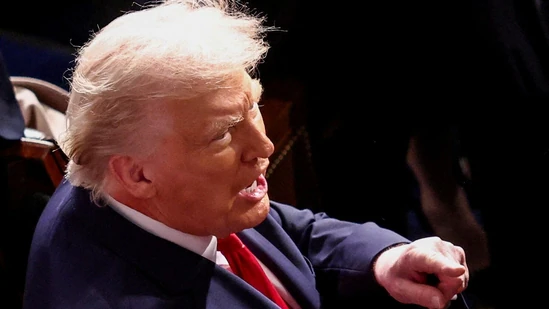
Trump Accuses Lutnick of ‘Bullshit Numbers’ Over India Tariffs
Bharatmorningnews.com – President Donald Trump reportedly escalated tensions with Commerce Secretary Howard Lutnick during a heated exchange over India’s tariffs on U.S. imports. The dispute, captured in the book *Regime Change: Inside the Imperial Presidency of Donald Trump* by Maggie Haberman and Jonathan Swan, centered on Trump’s frustration with what he described as misleading trade data. In the discussion, the president criticized Lutnick for not providing accurate figures on India’s impact on American goods, stating, “Giving me bullshit numbers” as he challenged the administration’s stance. This moment underscored the growing rift between Trump and his advisors as they debated the effectiveness of India’s trade policies in relation to U.S. interests.
The Alleged Data Manipulation
During the verbal clash, Trump reportedly dismissed the official numbers presented by Lutnick, arguing that they were insufficient to justify the U.S. decision to impose tariffs on Indian products. The president insisted that the data lacked clarity and transparency, questioning whether the numbers provided truly reflected the magnitude of India’s trade barriers. Lutnick, on the other hand, defended the figures, citing the USTR’s analysis of India’s import duties. The disagreement highlighted Trump’s tendency to rely on visceral reactions to complex economic data, often labeling official reports as “bullshit” when they didn’t align with his preferred narrative.
“Nobody has f***ing given me any numbers. Hard facts of how much China tariffs us, how much India tariffs us. You give me bullshit numbers,” Trump was quoted as saying in the book.
The Broader Trade Conflict
The spat between Trump and Lutnick was part of a larger debate over U.S. trade strategy with India. The administration had been pushing for tariffs to pressure India into lowering its import duties, particularly on agricultural and manufactured goods. Trump’s accusation that the data was fabricated or incomplete reflected his broader frustration with trade agreements that he believed favored other nations over the U.S. He also accused India of being the “maharaja of tariffs,” a term he used to describe the country’s aggressive protectionist policies. This rhetoric added fuel to the ongoing dispute, which had been fueled by concerns over India’s reliance on Russian oil and its economic alignment with China.
Escalation and Strategic Moves
The conflict reached a critical point as Trump prepared to impose 25% tariffs on Indian imports, a move that would have significantly impacted U.S. businesses. The initial tariffs were intended to leverage India’s trade practices, but the dispute with Lutnick suggested that the president was dissatisfied with the evidence supporting this decision. The additional 25% increase, announced after India’s oil purchases from Russia, pushed the total to 50%, marking a major escalation in the U.S. approach to India. This move placed India in the same category as BRICS allies Brazil and China, signaling a shift in Trump’s trade priorities and his willingness to use tariffs as a diplomatic tool.
“President Trump agreed to remove the additional 25% tariff on imports from India in recognition of India’s commitment to stop purchasing Russian Federation oil. Accordingly, the President signed an Executive Order last Friday removing that additional 25% tariff,” the fact sheet added further.
Context of the Dispute
The debate over India’s tariffs was not new. For months, Trump had criticized the country’s high import duties, particularly on agricultural products and automobiles, arguing that they stifled U.S. competitiveness in the global market. His frustration was compounded by the perception that India’s trade policies were more favorable to China than to American companies. The “giving me bullshit numbers” remark reflected his belief that the data presented to justify these tariffs was either incomplete or deliberately crafted to obscure the true economic impact. This sentiment was echoed by other officials, who referred to India as a “tariff king” in the context of its trade practices.
Implementation and Trade Negotiations
In an effort to resolve the dispute, U.S. Trade Representative Jamieson Greer engaged in detailed discussions with India’s Union Commerce Minister Piyush Goyal. The talks focused on reducing tariffs on key sectors, including food and agricultural products, which were a major point of contention. The White House fact sheet revealed that India had committed to lowering duties on items such as dried distillers’ grains and soybean oil, while the U.S. would reduce its own tariffs on Indian goods to 18%. This agreement was framed as a compromise, but it also raised questions about the role of political pressure in shaping trade policies. The “giving me bullshit numbers” critique, while rooted in the dispute, highlighted a deeper issue: the tension between data-driven decisions and ideological trade goals within the Trump administration.