
Centre says 15 fertiliser ships have cleared Hormuz, easing Kharif supply concerns
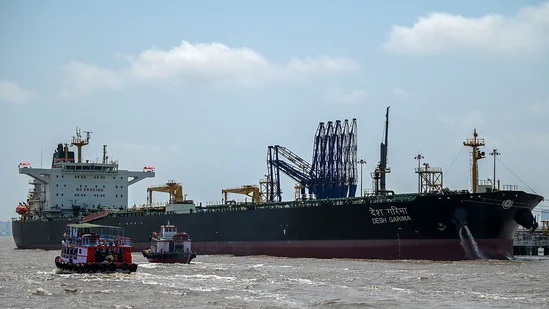
Centre says 15 fertiliser ships have cleared Hormuz, easing Kharif supply concerns
Bharatmorningnews.com – The Indian government has announced that 15 fertiliser ships have successfully navigated the Strait of Hormuz, a critical waterway for global trade, which has significantly eased concerns about the supply of essential agricultural inputs for the Kharif season. This development marks a crucial step in restoring stability to India’s fertilizer logistics, which had faced interruptions due to the ongoing geopolitical tensions in the region. The statement, issued by the Department of Fertilizers, highlights the country’s ability to maintain supply chains despite the challenges posed by the conflict in West Asia.
Strategic Measures to Maintain Fertilizer Supplies
Following the reopening of the Strait of Hormuz on June 17, the government has implemented a series of strategic measures to ensure the timely arrival of fertilisers. These include diversifying import routes, negotiating with international partners, and leveraging alternate shipping lanes to bypass disruptions. The Department of Fertilizers emphasized that these efforts have allowed India to secure critical raw materials such as urea, di-ammonium phosphate (DAP), and sulfur, which are vital for the cultivation of rice, cotton, and other Kharif crops. The successful clearance of the 15 ships is a testament to the ministry’s proactive approach in mitigating potential supply bottlenecks.
Union Minister for Chemicals and Fertilizers JP Nadda highlighted the government’s commitment to safeguarding agricultural production during the Kharif season. In a statement, he noted that India’s ability to maintain a steady supply of fertilisers despite the conflict in West Asia has been bolstered by strategic planning and close coordination with diplomatic missions in the region. This collaboration has ensured that essential shipments continue to reach Indian ports without significant delays, thereby supporting the agricultural sector’s needs during a critical period.
The Role of Hormuz in Global Fertilizer Trade
The Strait of Hormuz, located between the Arabian Peninsula and Iran, is a lifeline for global trade, particularly for the transportation of crude oil, liquefied natural gas, and fertilisers. Its reopening has been a game-changer for countries reliant on its strategic chokepoints, including India. The 15 fertiliser ships that cleared the strait are part of a larger fleet of vessels that had been delayed for several months due to the conflict, which began in early February. These delays raised fears of a potential shortage of fertilisers, which could have affected crop yields and food security in the country.
India’s agricultural sector depends heavily on fertilisers to meet the demands of the Kharif season, which runs from April to December. With over 50% of the country’s fertiliser requirements sourced from the Middle East and North Africa, the Strait of Hormuz has been a key transit route. The reopening of this waterway has not only restored normalcy to the supply chain but also demonstrated India’s resilience in managing global trade disruptions. The government’s focus on ensuring the timely arrival of these ships underscores the importance of fertiliser availability in sustaining the nation’s food production and economic stability.
According to the Department of Fertilizers, the 15 ships have been instrumental in replenishing India’s fertilizer stocks. These vessels carried fertilisers from multiple countries, including Oman, Malaysia, Vietnam, Nigeria, Russia, Egypt, and Algeria, while DAP and NPK fertilisers were sourced from Russia, Morocco, Jordan, Saudi Arabia, and the United States via alternative routes. The diversification of supply sources has allowed India to reduce its dependence on any single region, ensuring a more balanced and secure approach to fertiliser procurement. This strategy has been crucial in addressing the concerns of farmers and agricultural stakeholders who feared a slowdown in the supply of essential nutrients for crops.
The government’s efforts to maintain the fertiliser supply chain have also involved close coordination with the Indian Navy and maritime agencies to monitor the movement of vessels through the strait. This level of oversight has ensured the safe passage of the 15 ships, which were delayed for over four months due to the conflict. The successful clearance of these vessels is a positive sign for the agricultural sector and has helped alleviate anxieties about the availability of fertilisers during the Kharif season. The Department of Fertilizers has also stated that it will continue to assess the situation and take further measures to prevent any potential supply issues.