
Ahead of International Yoga Day 2026, an expert shares the benefits of practising yoga for healthy ageing
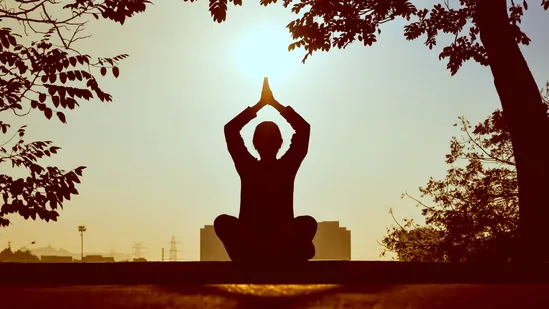
International Yoga Day 2026: Expert Tips for Healthy Ageing Through Yoga
Bharatmorningnews.com – Ahead of International Yoga Day 2026, yoga enthusiasts and health-conscious individuals are being encouraged to adopt sustainable practices that support long-term well-being. The theme of this year’s celebration, “Yoga for Healthy Ageing,” highlights the growing recognition of yoga as a vital tool for maintaining physical and mental vitality. Radhika Iyer Talati, founder of RAA Foundation and a yoga instructor with over 20 years of experience, shares actionable advice for integrating yoga into daily life to foster resilience and balance as we age.
The Mind-Body Connection at the Core of Yoga
Talati emphasizes that yoga is not solely about mastering advanced postures or achieving flawless form. Instead, she underscores the importance of cultivating a consistent practice that nurtures both body and mind. “The essence of yoga lies in its ability to create harmony between physical movement and mental clarity,” she explains. This holistic approach is especially relevant for older adults, as it addresses not only flexibility and strength but also emotional stability and stress management.
As a yoga instructor who has completed multiple teacher training programs and led free meditation sessions for over a decade, Talati stresses that yoga can be adapted to fit any lifestyle. Whether someone has a hectic schedule or limited time, the practice can be tailored to suit individual needs. “Even twenty minutes of quiet focus or mindful breathing qualifies as a meaningful yoga session,” she notes. This flexibility makes yoga an accessible solution for promoting healthy ageing, regardless of age or fitness level.
Practical Strategies for Sustained Yoga Practice
For those new to yoga, Talati recommends starting with simple, achievable goals to build confidence and consistency. “Begin with short, manageable sessions that align with your daily rhythm,” she advises. She also highlights the importance of a strong foundational fitness before diving into structured yoga routines. Activities like walking, swimming, or light stretching can complement yoga, helping to enhance overall mobility and endurance.
Long-term benefits of yoga, such as improved posture, reduced chronic pain, and enhanced cognitive function, emerge through regular, committed practice. “Consistency is key to reaping the full rewards of yoga,” Talati states. She encourages individuals to seek guidance from certified instructors during the early stages of their journey, as proper form and technique are essential for maximizing outcomes while minimizing injury risks.
“Yoga is a lifelong journey, not a destination. Its true value is in how it shapes your daily habits and mindset,” Talati said. This philosophy aligns with the goals of International Yoga Day 2026, which seeks to inspire communities to prioritize holistic health practices for aging populations.
Additionally, Talati points to the mental health benefits of yoga, which are increasingly important in today’s fast-paced world. Regular practice has been shown to reduce symptoms of anxiety and depression, improve sleep quality, and enhance emotional resilience. “A calm mind enables clearer thinking and the ability to live a more balanced life,” she adds. These mental and emotional advantages make yoga a powerful ally in the quest for healthy ageing.
As International Yoga Day 2026 approaches, Talati urges individuals to focus on creating a sustainable routine rather than chasing perfection. “Let the practice unfold naturally over time, and you’ll discover its transformative impact on your health and well-being,” she concludes. By embracing yoga as a lifestyle, people can lay the groundwork for a more graceful and active later life.