
1994-batch IAS, 30 years of experience: Who is Vivek Aggarwal, new vice president of global body FATF
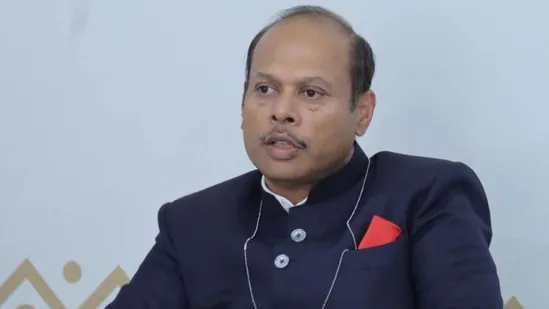
Vivek Aggarwal, 1994 Batch IAS Officer, Elected FATF Vice President
Bharatmorningnews.com – Vivek Aggarwal, a 1994 batch Indian Administrative Service (IAS) officer with 30 years of experience, has been appointed as the new vice president of the Financial Action Task Force (FATF). This landmark decision, announced at the FATF’s Paris headquarters, highlights India’s growing prominence in global financial governance. The 1994 batch IAS officer’s selection to lead the vice presidency from July 2026 to June 2027 underscores the country’s commitment to combating money laundering and terrorist financing, marking a significant step in its international collaboration efforts.
About Vivek Aggarwal: A Profile of a 1994 Batch IAS Leader
Vivek Aggarwal’s journey in public service began with his induction into the IAS in 1994, a prestigious cadre that has produced many influential leaders in India’s administrative and policy-making spheres. Over the past three decades, he has amassed extensive experience in governance, finance, and regulatory affairs, which has positioned him as a key figure in shaping India’s financial policies. His leadership in the Indian bureaucracy has been characterized by a focus on transparency, efficiency, and international alignment, particularly in combating financial crimes.
Before assuming his new role in the FATF, Aggarwal held several high-profile positions in India’s government. He served as a senior official in the Department of Economic Affairs and later became a member of the Central Board of Indirect Taxes and Customs (CBIC). These roles provided him with a deep understanding of India’s financial systems and the challenges of cross-border money laundering. His expertise in regulatory frameworks and international cooperation has made him a natural choice for the FATF, which relies heavily on member states’ insights to develop global standards.
FATF’s Role in Global Financial Governance
The Financial Action Task Force (FATF) plays a critical role in combating money laundering, terrorist financing, and other illicit financial activities. As a global standard-setting body, it works closely with over 200 countries and jurisdictions to create and implement policies that safeguard the integrity of the international financial system. Its mandate includes identifying financial risks, monitoring compliance with anti-money laundering (AML) and counter-terrorist financing (CTF) standards, and promoting cooperation among nations to address financial crime effectively.
India’s involvement in the FATF has been instrumental in shaping its financial regulations. The country has consistently worked to align its domestic policies with international standards, which has enhanced its reputation as a reliable partner in global financial governance. The appointment of a 1994 batch IAS officer like Vivek Aggarwal signals a strategic move to ensure that India’s voice remains strong in the FATF’s decision-making processes. His background in both administrative and financial sectors is expected to bring a unique perspective to the organization’s initiatives.
Aggarwal’s tenure as FATF vice president will span two years, during which he will support the current president in executing the organization’s mission. This role requires not only technical expertise but also diplomatic acumen, as the FATF often deals with complex geopolitical issues and policy debates. His ability to navigate these challenges will be crucial in maintaining India’s standing within the global anti-financial crime network. The 1994 batch IAS officer’s selection also reflects the FATF’s recognition of India’s proactive approach to financial regulation and its contribution to international efforts.
India’s Contributions to Global Financial Crime Combat
India has been a dedicated member of the FATF since its inception, and its efforts in financial crime prevention have gained international acclaim. The country has implemented robust legal frameworks, such as the Prevention of Money Laundering Act (PMLA), to detect and prevent illicit financial flows. These measures have not only strengthened domestic financial systems but also improved India’s ability to engage with global partners like the FATF. Vivek Aggarwal’s appointment as vice president is a testament to these achievements, as his 30 years of experience in the IAS will be leveraged to further India’s goals in the organization.
The FATF vice presidency is a pivotal role that allows India to influence the development of international financial standards. Aggarwal’s leadership is anticipated to focus on enhancing cooperation between countries, modernizing regulatory frameworks, and addressing emerging threats such as cryptocurrency-based money laundering. His tenure will also emphasize the importance of India’s financial institutions in adhering to global best practices, ensuring that the country continues to play a vital role in the FATF’s mission. The 1994 batch IAS officer’s ability to bridge domestic and international priorities will be a key asset in this endeavor.
Aggarwal’s statements following his appointment highlight his vision for the FATF’s future. He expressed confidence in India’s financial governance model and its capacity to contribute meaningfully to global efforts. “This role is an opportunity to strengthen the FATF’s mandate and ensure that our international financial system remains secure and resilient,” he said. His emphasis on collaboration aligns with India’s broader strategy of working with multilateral organizations to address cross-border challenges, reinforcing the 1994 batch IAS officer’s legacy in financial leadership.