
Who was Sathyendra? The Chennai cinephile who always had questions
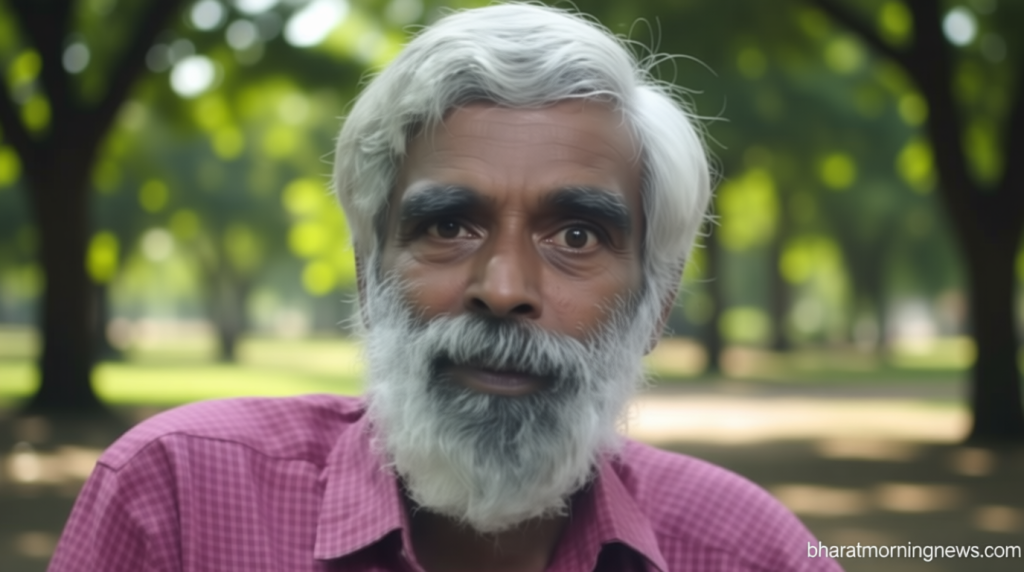
Who Was Sathyendra? The Chennai Cinephile Who Always Had Questions
Bharatmorningnews.com – Sathyendra, a multifaceted figure in Chennai’s cultural landscape, was more than just a film reviewer. As an actor, theatre artist, translator, and critic, he became a familiar presence in the city’s creative circles, leaving an indelible mark through his relentless curiosity and sharp insights. His sudden passing on Thursday sent ripples through the arts community, prompting an outpouring of support that united filmmakers, writers, and audiences in honoring his legacy.
A Passionate Voice in Film and Literature
Known for his dynamic participation in discussions, Sathyendra’s influence extended beyond the cinema halls. Whether at film festivals, theatre performances, or literary panels, he was often the first to raise his hand, eager to dissect every narrative and technique with unrelenting vigor. His signature style—typically dressed in a kurta and ajolnabag, a nod to Chennai’s traditional aesthetic—made him instantly recognizable. Yet, it was his questions that truly defined his presence, often piercing and direct, which occasionally unsettled panelists or drew murmurs of approval from the crowd.
“He loved to get attention,” recalls K Hariharan, a filmmaker and writer who cast Sathyendra in his 1982 film Ezhavadhu Manidhan. “He had a child-like quality and could never resist engaging. Even if his question wasn’t answered, he’d take pride in having asked it.”
The Viral Moment That Captured His Essence
Sathyendra’s most iconic moment came during a scathing critique of Suriya’s film Karuppu, delivered with his trademark candor. The review, which went viral, highlighted his ability to blend meticulous analysis with bold opinions, earning both admiration and debate. This event underscored his reputation as a critic unafraid to challenge norms, a trait that became synonymous with his work in the Tamil film industry. His linguistic prowess further amplified his reach, as he often translated insights from international cinema into local contexts, bridging gaps between cultures.
A Life Rooted in Language and Curiosity
Sathyendra’s journey began in Tiptur, Karnataka, where he developed a fascination with Tamil cinema at an early age. By the time he was five, he was immersed in the films of MGR, a passion that would later drive his decision to move to Madras in 1981. Armed with only Rs 300 and a list of Tamil filmmakers he aspired to collaborate with, he embarked on a quest that would shape his career. His first major role came in Ezhavadhu Manidhan, a film directed by Hariharan, which is regarded as one of his standout contributions.
His linguistic abilities were a cornerstone of his identity. Fluent in multiple Indian languages, Sathyendra also mastered German, a skill he revealed during an interview with Wow Tamizhaa. “I have a knack for learning languages quickly,” he remarked. “Besides the many Indian languages, I’m proficient in German. I’d even call myself a scholar of the language. I’ve also dabbled in Japanese, Italian, and Spanish.” These skills not only fueled his career but also allowed him to connect with a diverse array of filmmakers and artists, including the renowned Tamil director Mysskin, with whom he shared a deep camaraderie.
A Legacy of Unpredictability and Insight
While Sathyendra’s professional achievements were notable, his personal life remained a tapestry of unpredictability. Colleagues describe him as someone who could strike up a conversation in an instant, only to vanish without a trace, leaving others to wonder about his whereabouts. This erratic nature, however, was matched by his unwavering dedication to his craft. His presence at events like the Chennai International Film Festival was a testament to his love for cinema, where he often advocated for the inclusion of local short films in global showcases.
“He was an ardent film lover and an exceptional critic,” says Emanadar Thangaraj of the Indo Cine Appreciation Foundation (ICAF). “His reviews were grounded in authenticity, and he had a unique way of making complex ideas accessible. In fact, he once proposed that a short film he helped produce be featured at our festival.”
Despite his growing fame, Sathyendra remained grounded. His humble beginnings in Karnataka, where he first encountered Tamil cinema, shaped his perspective. “He always carried the essence of his roots with him,” adds Thangaraj. “Even as he rose in the film world, he never lost his connection to the stories that first inspired him.”
A Community Remembered
Following his passing, the Chennai film and arts community rallied to ensure his voice was not forgotten. Friends and collaborators came together to organize a funeral that reflected his vibrant personality, blending traditional rituals with a celebration of his contributions. The event underscored the deep respect he earned, not just for his work, but for his unyielding spirit and ability to spark conversations that transcended boundaries.
Sathyendra’s absence has left a void, but his legacy continues to inspire. His questions, once a hallmark of film screenings, now linger in the minds of those who knew him. From his early days in Tiptur to his later years in Madras, he was a storyteller, a critic, and a bridge between cultures. As the city mourns his loss, it also celebrates the enduring impact of a man who believed that every film, no matter its origin, deserved to be examined with honesty and enthusiasm.
Even in his personal life, Sathyendra’s curiosity remained unmatched. While his family and friends were known to him, many in the broader community had only glimpsed his persona through his work. Yet, it was this very persona—bold, inquisitive, and unapologetically himself—that made him a beloved figure. His story is one of passion, perseverance, and the quiet power of asking the right questions at the right time.
From Critic to Cultural Connector
Sathyendra’s work as a translator further cemented his role as a cultural connector. By making films accessible across languages, he helped foster a more inclusive cinematic dialogue. His translations were not mere technical exercises but acts of interpretation that infused new life into familiar stories. This commitment to cross-cultural exchange was evident in his friendships, many of which were forged through shared enthusiasm for film and language.
In the end, Sathyendra’s impact was not confined to a single role or medium. He was a multifaceted individual whose presence enriched every space he occupied. As the Chennai film community continues to honor his memory, it does so with the same vigor he once brought to every Q&A session, ensuring that his questions—and the answers they inspired—live on.