
‘Till date, I feel the pain’
‘Till Date, I Feel the Pain’
Mumbai Survivor Shares Harrowing Testimony from 1992-93 Riots
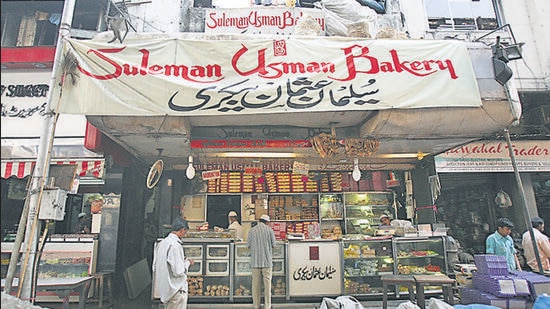
Bharatmorningnews.com – “Till date, I feel the pain,” said Qutbuddin Shaikh, a 50-year-old imam in Santacruz, as he recounted his traumatic experience before a sessions court on Wednesday. The testimony marks a pivotal moment in the long-standing legal battle surrounding the 1992-93 Mumbai riots, a period of intense communal violence that claimed the lives of eight unarmed Muslim individuals. Shaikh, who was part of the group attacked during a police raid on the Suleman Usman Bakery and its affiliated madrasa on Mohammed Ali Road, described the relentless brutality he endured thirty-three years after the incident. His account provides a personal lens into the broader trauma inflicted by the riots, which continue to echo in the memories of survivors.
Details of the Assault and the Trial’s Progress
Shaikh’s testimony unfolded as he detailed the day’s events, beginning with the quiet routine of his morning at the bakery. After finishing lunch, he and up to 12 students were locked inside the premises by the masjid gates, instructed to remain calm. Around noon, the atmosphere shifted as loud noises erupted below, followed by the forceful opening of the door. “They came up firing,” he recounted, illustrating how the police stormed the room, striking him and others with rifle butts, lathis, and boots. The brutality was unrelenting, and Shaikh emphasized the physical and emotional toll it left on him, with pain persisting even now.
“I was sitting directly across from the door, and they began beating everyone without warning,” Shaikh said, his voice steady but filled with emotion. The testimony revealed not only the violence of the raid but also the vulnerability of those targeted, including his teacher, Maulana Abdul Kasim, who was severely injured during the attack. The court’s attention was drawn to the question of why the police forced entry when the door was locked from the inside, a detail that has raised doubts about the incident’s circumstances.
The ongoing trial, which has been in progress since 2019, focuses on nine police officers accused of participating in the raid that led to the deaths of five bakery workers and three madrasa students. This case is closely tied to the larger narrative of the 1992-93 riots, a series of communal clashes that sparked nationwide debates about justice and accountability. While Ram Dev Tyagi, the Joint Crime Police Commissioner at the time, and eight others were acquitted in 2003, the remaining nine officers remain under scrutiny, with their actions scrutinized in the hope of delivering closure to the victims’ families.
Testimony and Legal Challenges
Shaikh’s account was further enriched by his admission of a memory lapse, as he initially cited January 11 as the date of the assault before correcting it to January 9. “My memory hasn’t been sharp since I was hit on the back of my head,” he explained, highlighting the lasting impact of the trauma. This error, while minor, underscores the challenges of recalling such harrowing events with precision. The judge, recognizing the emotional weight of the testimony, allowed Shaikh to proceed with leading questions, a move that enabled him to delve deeper into the police officers’ actions during the raid.
As the trial continues, the legal team faces the task of presenting a cohesive narrative from the survivor’s perspective. Shaikh’s testimony, combined with evidence from the Srikrishna Commission, which previously investigated the riots, has been instrumental in shaping the case. His participation in the court proceedings adds a layer of personal accountability, as he directly confronts the police officers involved in the violence. The defense, however, attempted to cast doubt on his credibility, but the judge dismissed their efforts, affirming the importance of his account in the pursuit of justice.
A Legacy of Trauma and Unanswered Questions
The 1992-93 Mumbai riots, which erupted in the wake of the Babri Masjid dispute, left an indelible mark on the city’s Muslim community. For survivors like Shaikh, the pain is not confined to the past—it resurfaces in every reminder of the violence that unfolded. The court’s focus on this specific incident reflects the broader struggle to ensure that those responsible for the riots are held accountable, even after decades have passed. Shaikh’s words, echoing with the weight of history, serve as a powerful reminder of the human cost of communal conflict.
Three of the accused in this case have since passed away, yet their legacy remains entwined with the ongoing trial. The survivors, including Shaikh, continue to advocate for justice, emphasizing that the police’s actions during the raid were not just an isolated incident but part of a larger pattern of violence. Their testimony has sparked renewed interest in the case, with the public and media closely following the developments. As the court proceedings unfold, the hope is that the truth will emerge, and the pain of the past will be acknowledged in the present.
Context and Broader Implications
The 1992-93 riots, which lasted for several weeks, were marked by widespread targeting of Muslims, with many accused of being responsible for the Babri Masjid demolition. Shaikh’s experience, however, highlights the disproportionate violence against innocent civilians, including those who were merely present in the bakery. The incident, which took place during the second phase of the riots, exemplifies the chaos and fear that permeated the city. As the trial progresses, it aims to address not only the specific events of that day but also the broader context of the riots and their lasting impact on the victims.