
Saharanpur village pond reborn as India-shaped eco-tourism site
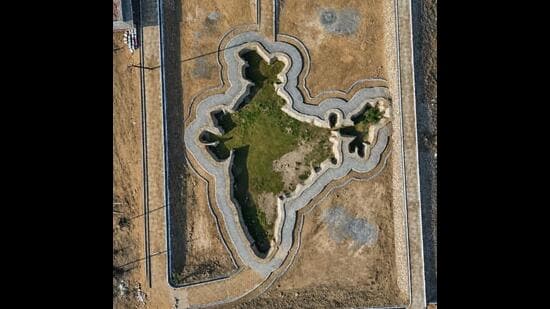
Saharanpur Village’s Pond Reimagined as India-Shaped Eco-Tourism Hub
Bharatmorningnews.com – In the heart of Saharanpur’s Chakwali village, a modest pond has been revitalized into a symbolic eco-tourism project, mirroring the geographical outline of India. The initiative, named the ‘Subhash Chandra Bose Bharat Sarovar,’ draws inspiration from the legacy of the iconic freedom fighter, blending historical reverence with environmental and developmental goals.
The site, once a neglected water body and even a dumping ground, has been meticulously redesigned into a structured attraction. Spanning 32 metres in length and 29 metres in width, the sarovar now serves as both a scenic landmark and a testament to sustainable rural development. Its unique shape and water-filled expanse create a visual representation of the nation, offering visitors a striking reminder of India’s borders.
A Community-Driven Transformation
Residents highlight that the project’s success stems from active local participation. Villagers have played a key role in the cleaning and redevelopment efforts, contributing to the site’s revival. This grassroots involvement is expected to generate new livelihood opportunities through tourism activities like food stalls and maintenance services.
“The facilities include walking paths, stone seating, gazebos, enhanced lighting and signage, sanitation blocks, food kiosks, and lush landscaping. A dedicated platform has also been constructed for a statue of Subhash Chandra Bose, deepening the site’s thematic significance,” said Vedpati Mishra, Director General of Tourism.
With over 80% of the work completed, the project is anticipated to wrap up by June. Officials noted that Saharanpur welcomed approximately 4.6 lakh visitors in 2025, and such initiatives are poised to elevate the district’s prominence on Uttar Pradesh’s eco-tourism map. The Bharat Sarovar not only beautifies the landscape but also underscores the potential of merging cultural heritage with ecological conservation.