
Jharkhand High Court orders impleading of over 5,000 illegally built buildings
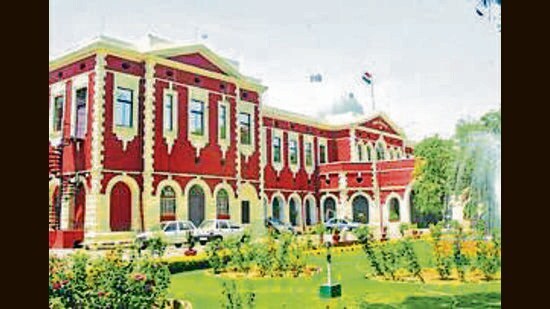
Jharkhand High Court Orders Impleading of Over 5,000 Illegal Structures
Bharatmorningnews.com – The Jharkhand High Court has issued a significant directive, mandating the impleading of over 5,000 unauthorized buildings in ongoing legal cases. This move, which comes as part of a broader effort to combat illegal construction, targets structures across residential and commercial sectors that lack essential completion and occupancy certifications. The order follows a Supreme Court ruling in December 2024, which established that such certificates are now mandatory for all construction projects. By incorporating these buildings into legal proceedings, the High Court aims to hold local authorities and developers accountable for their role in the proliferation of unregulated construction.
Legal Context and Implications of the Order
The impleading directive was delivered by a two-judge bench, with Chief Justice MS Sonak and Justice Rajesh Shankar at the helm. The court approved the withdrawal of an earlier petition and directed the filing of a new case involving more than 20 buildings that were constructed without proper documentation. This marks a pivotal step in addressing the long-standing issue of unchecked development in cities like Jamshedpur and Ranchi. The Jharkhand High Court’s decision not only underscores the urgency of compliance with legal standards but also sets a precedent for future enforcement actions. Legal experts suggest that this order could lead to the scrutiny of thousands of structures, potentially resulting in fines or demolition for non-compliance.
As part of the directive, municipal officials are now required to ensure builders submit affidavits confirming that no flats are sold without valid certificates. This requirement aims to prevent the sale of properties that are not legally complete, thereby protecting buyers from future legal disputes. However, the Jharkhand chief secretary has yet to enforce the order, allowing the system of corruption to persist. The court’s action highlights the need for stricter oversight and timely implementation of regulations to curb illegal construction.
Systemic Challenges in Urban Development
The case reveals deep-seated challenges in Jharkhand’s urban development framework. For instance, the Jamshedpur Notified Area Committee (JNAC) has approved 2,000 construction plans over the past two decades but issued certificates to only 28. This discrepancy points to a systemic issue where approvals are given without ensuring adherence to legal standards. Additionally, JNAC has served show cause notices to approximately 650 buildings, yet no final decisions have been made in 15 years. The committee had previously committed to demolishing 108 structures but has yet to act on those promises, raising questions about bureaucratic inertia and accountability.
Legal representatives argue that this delay has enabled developers to profit from illegal constructions while leaving buyers in a precarious legal position. The High Court’s intervention is seen as a critical effort to rectify this imbalance. By formally impleading the structures, the court ensures they are part of the legal process, which may result in penalties or mandatory corrections. This step is expected to pressure local authorities to streamline their procedures and enforce regulations more rigorously. It also serves as a reminder to developers of the importance of compliance with legal standards.
The directive has sparked discussions among city officials and urban planners. Some emphasize the need for improved coordination between the state government and local municipal bodies to expedite the process. Others highlight the potential impact on property owners, who may face legal challenges or financial burdens. Despite these concerns, the Jharkhand High Court’s order is a decisive step toward ensuring transparency and fairness in the construction sector. The court’s focus on impleading structures reflects a broader commitment to holding all parties responsible for their actions.
Impact on the Local Real Estate Market
The impleading of over 5,000 unauthorized buildings could have far-reaching effects on the real estate market in Jharkhand. Buyers of illegal properties may now be required to provide proof of ownership, which could complicate transactions and increase legal risks. Developers who failed to comply with previous regulations may now face additional scrutiny, potentially leading to the retraction of their projects or the imposition of penalties. This development is likely to encourage more responsible building practices and deter future violations.
Additionally, the order may prompt a reassessment of how construction projects are managed in the state. Local authorities will need to prioritize the verification of compliance with the Supreme Court’s mandates, which could lead to a more systematic approach to urban development. The Jharkhand High Court’s decision to implead the structures signals a shift from leniency to strict enforcement, which is essential for maintaining the integrity of the real estate sector. This could also serve as a catalyst for reforms in the licensing and approval processes for new constructions.
Next Steps and Potential Outcomes
As the Jharkhand High Court’s order takes effect, the next phase will involve the formal inclusion of these buildings in legal proceedings. This process may require the state government to collaborate with urban development departments to identify and document all unauthorized structures. The court has also directed the submission of affidavits, which will serve as evidence of compliance or non-compliance with the required certificates. This step is crucial in ensuring that all stakeholders are brought into the legal framework.
While the order is a positive development, its success will depend on the enforcement of the directives. If local authorities fail to act, the Jharkhand High Court may take further steps to ensure compliance. The case also sets a precedent for other states facing similar challenges in illegal construction. By addressing these issues proactively, the court is sending a clear message that unauthorized buildings will no longer be overlooked. This could lead to a significant reduction in the number of illegal structures over time, fostering a more regulated and transparent urban development environment.