
Irked with inaction, HC seeks data on potholes, manholes from civic bodies in MMR
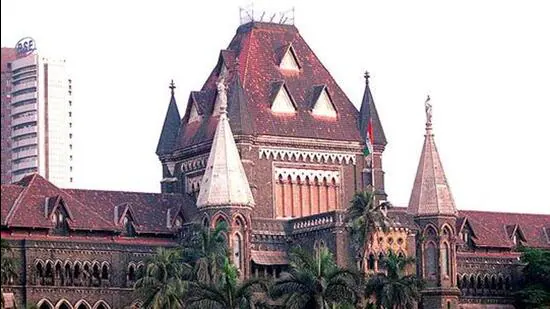
High Court Demands Action on Potholes and Manholes in Mumbai Metropolitan Region
Bharatmorningnews.com – Irked with inaction, the High Court seeks data on potholes and manholes – a key focus for the Mumbai Metropolitan Region (MMR) – as civic bodies face mounting pressure to address recurring infrastructure issues. The Bombay High Court recently directed local authorities across the MMR to submit detailed reports on the status of potholes, manholes, and other road defects under their jurisdiction. This move comes as a response to persistent complaints from citizens and a growing sense of frustration over the slow implementation of safety measures, despite repeated judicial mandates.
The Contempt Petition and Its Origins
The court’s intervention was triggered by a contempt petition filed by advocate Ruju Thakker in 2019, which highlighted the systemic neglect of road maintenance by civic bodies, state departments, and contractors. The case is linked to a 2013 suo motu inquiry initiated by the Brihanmumbai Municipal Corporation (BMC) following five fatal accidents reported within two months due to hazardous road conditions. Thakker’s petition emphasized that the authorities had not only failed to implement the court’s directives but had also allowed the problem to escalate, endangering lives and causing public unrest.
“This is a very crucial issue, and if such problems persist despite judicial directions, it’s highly misleading.”
The petition outlined specific incidents, including a tragic accident near the University of Mumbai on February 17, which claimed one life, and similar events in Thane and Bhiwandi in December 2025. These cases underscored the urgency of the matter, as Thakker argued that the lack of progress in fixing potholes and manholes had led to preventable casualties and eroded public trust in local governance. The court’s emphasis on accountability has now become a pivotal step in addressing these long-standing issues.
Civic Bodies’ Defenses and Delays
Despite the court’s concerns, civic bodies have defended their positions, citing logistical challenges and budget constraints. The BMC stated that compensation claims for accidents were being reviewed by a committee led by its municipal commissioner, emphasizing that the focus had shifted to addressing legal liabilities rather than immediate infrastructure repairs. Meanwhile, the Thane Municipal Corporation (TMC) argued that road accidents could result from factors beyond pothole maintenance, such as reckless driving or driver error.
However, the division bench, consisting of justices AS Gadkari and Kamal Khata, remained skeptical. They questioned the civic entities about specific actions taken to fulfill earlier directives, including the installation of safety grills for manholes and potholes. The court highlighted the discrepancy between judicial mandates and on-ground implementation, warning that delays in action could push citizens to take to the streets in protest.
Public Reaction and Civic Responsibilities
The directive has sparked renewed discussions about the responsibilities of civic bodies in ensuring public safety. Residents across the MMR have expressed frustration over the recurring road hazards, which have disrupted daily commutes and posed risks to pedestrians and vehicles alike. Social media platforms have been flooded with complaints, with many calling for stricter enforcement of safety standards.
Local activists have also weighed in, urging civic authorities to prioritize infrastructure upkeep. “The government has repeatedly ignored the warnings, and now the court is stepping in to hold them accountable,” said one community leader. This sentiment reflects a broader dissatisfaction with the slow pace of urban development and the lack of transparency in reporting progress. The court’s demand for data aims to provide a clearer picture of the civic bodies’ efforts, or the absence thereof.
Compliance Deadlines and Future Implications
As part of the directive, the court has set a compliance deadline of June 22, requiring all MMR civic entities to file affidavits detailing their actions and justifications for non-compliance with previous safety measures. This deadline adds pressure on local authorities to provide concrete evidence of their efforts, or face potential legal consequences. The order also mandates a review of the systemic gaps that have led to the current state of infrastructure neglect.
With the High Court seeking data on potholes and manholes, the focus has shifted to ensuring accountability and transparency. The decision to issue the directive underscores the court’s commitment to addressing urban infrastructure challenges, which have long been a point of contention in the region. By compelling civic bodies to submit comprehensive reports, the court aims to bridge the gap between policy and practice, ensuring that residents are not left in the lurch due to bureaucratic inaction.
Broader Impact on Infrastructure Management
The directive is expected to have a lasting impact on how infrastructure management is approached in the MMR. It highlights the need for proactive measures rather than reactive ones, emphasizing that the civic bodies must take ownership of their responsibilities. The court’s emphasis on data collection aligns with modern governance practices, where evidence-based decisions are critical for addressing public concerns effectively.
Additionally, the case could serve as a benchmark for other urban areas facing similar challenges. By scrutinizing the MMR’s approach to road maintenance, the court has set a precedent that may encourage other civic bodies to adopt stricter protocols. The ongoing inquiry into the 2013 suo motu case and the 2019 contempt petition demonstrates the judiciary’s role in holding authorities accountable for their failures, ensuring that infrastructure development remains a top priority.