
GMDA to ‘deploy robots’ to inspect Gurugram drains before monsoon
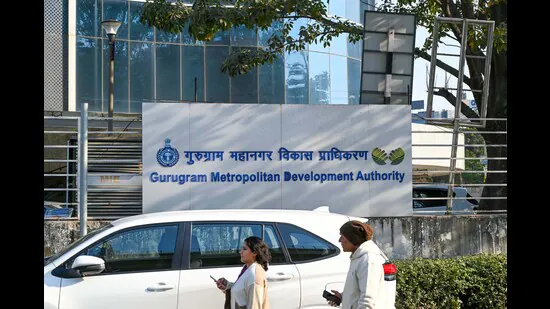
GMDA to Deploy Robots for Comprehensive Drain Inspection Before Monsoon
Bharatmorningnews.com – As the monsoon season looms closer, the Gurugram Metropolitan Development Authority (GMDA) has unveiled a groundbreaking initiative to integrate robotic systems into its drainage inspection process. This strategic move, aimed at ensuring optimal functionality of the city’s surface drain network, marks a significant step toward proactive flood mitigation. The GMDA’s decision to deploy robots to inspect drains underscores its commitment to leveraging technology for enhanced urban management, particularly in the face of unpredictable weather patterns and rising water levels.
The introduction of robotic inspection technology is expected to revolutionize the way drainage systems are assessed. Traditional manual inspections often fall short due to the time-consuming nature of the process and the risk of human error. By incorporating robots, the GMDA can cover vast areas more efficiently, identify blockages with precision, and prioritize repairs in high-risk zones. This initiative aligns with the broader goal of improving monsoon preparedness in Gurugram, where waterlogging has historically disrupted daily life and economic activities.
Strategic Implementation and Infrastructure Focus
The GMDA’s plan includes a phased deployment of robots to inspect drains along key arterial roads, starting from June 15. This timing allows for thorough assessments before the monsoon rains intensify, ensuring that critical infrastructure is in optimal condition. According to officials, the robotic system will be particularly useful in evaluating the drainage network’s capacity to handle increased water flow, a vital component of the city’s flood prevention strategy.
“Deploying robots to inspect drains is a game-changer. It allows us to detect issues that might otherwise go unnoticed, such as partial blockages or structural weaknesses, which could exacerbate waterlogging during the monsoon,” said Vishwajeet Choudhary, additional CEO of GMDA. The initiative is supported by a commitment to install 40 pumps of varying capacities by June 30, which will be strategically positioned to address drainage challenges across different neighborhoods.
Collaborative Efforts for Flood-Resilient Infrastructure
The GMDA’s efforts are part of a larger regional collaboration aimed at strengthening flood resilience. This includes close coordination with the National Highways Authority of India (NHAI), which has also prioritized monsoon readiness in the Delhi NCR region. By pooling resources and expertise, these agencies aim to create a unified approach to managing drainage systems, reducing the risk of localized flooding and enhancing emergency response capabilities.
Officials emphasized that the robotic inspection is not just a technological upgrade but a necessary measure to complement existing efforts. With approximately 70% of Gurugram’s 120-kilometer surface drain network already cleared and desilted, the remaining 30% will now benefit from the detailed analysis provided by the robots. This will ensure that no section of the drainage system is overlooked, particularly in areas prone to recurring waterlogging issues.
Another critical focus of the GMDA’s plan is addressing the connectivity of internal drainage systems within residential and commercial complexes. Many condominiums in the city have independent networks not integrated with the main stormwater drainage system or equipped with faulty rainwater harvesting mechanisms. The GMDA has encouraged developers and residents’ welfare associations (RWAs) to collaborate on improving these systems, ensuring they contribute to the city’s overall drainage efficiency.
Technology-Driven Solutions for Sustainable Urban Planning
The use of robots to inspect drains highlights the GMDA’s shift toward sustainable urban planning. By investing in advanced technology, the authority is setting a precedent for other cities facing similar challenges. These robots are equipped with sensors and cameras to capture real-time data, enabling quicker decision-making and resource allocation. This data-driven approach is expected to streamline maintenance operations and reduce downtime during critical weather events.
Furthermore, the GMDA has announced the installation of CCTV monitoring systems to provide continuous oversight of drainage infrastructure. This will allow operators to track water flow and respond to potential issues as they arise. The integration of these technologies not only improves the efficiency of drainage management but also enhances transparency for residents, who can now be more informed about the city’s preparedness measures.
The robotic inspection initiative is part of a multi-faceted strategy to combat waterlogging in Gurugram. By addressing both the surface and subsurface drainage systems, the GMDA aims to create a comprehensive framework for flood management. This includes a draft drainage plan that recommends placing pumps at critical junctions such as the Leg One stormwater drain in Surya Vihar and downstream locations in Palam Vihar, Millennium City Centre, and other high-risk sectors. These targeted interventions will help ensure the city’s drainage infrastructure is resilient against monsoon-induced challenges.
GMDA’s decision to deploy robots to inspect drains has been widely praised for its innovative approach to urban challenges. The initiative is expected to not only improve the city’s drainage system but also serve as a model for other metropolitan areas in India. By combining modern technology with meticulous planning, the GMDA is taking a proactive stance in safeguarding Gurugram’s residents and infrastructure against the adverse effects of seasonal monsoons.