
After ₹10 cr overhaul, Gurugram Civil Hospital awaits monsoon stress test
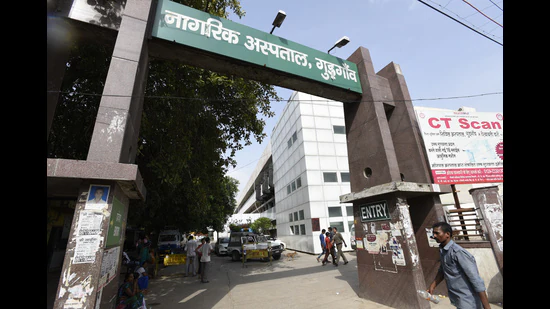
After ₹10 Cr Overhaul, Gurugram Civil Hospital Awaits Monsoon Stress Test
Bharatmorningnews.com – Gurugram’s Civil Hospital, a critical healthcare facility in Sector 10, has undergone a ₹10 crore renovation to address longstanding issues of flooding and water leakage. This overhaul, completed over the past six months, aims to transform the hospital’s infrastructure and ensure seamless operations during the monsoon season. As the city prepares for the annual rains, the health department anticipates a rigorous test of these improvements, with the outcome directly impacting patient care and administrative efficiency.
Renovation Efforts and Structural Upgrades
The renovation project, spearheaded by the district health department, focused on modernizing the hospital’s infrastructure to combat recurring waterlogging. Key initiatives included repairing walls and roofs, reconstructing the boundary wall, and developing shaded parking spaces with interlocking tiles. Additionally, two new parks were created within the premises, enhancing the environment for both staff and visitors. Waterproofing measures were also prioritized to minimize seepage and protect sensitive equipment.
One of the most notable additions is the installation of solar panels over the newly developed parking areas. This move not only aligns with the government’s push for renewable energy but also reduces the hospital’s electricity costs. The solar panel project, funded with a further ₹3.92 crore, is expected to provide long-term benefits by cutting dependency on the grid during peak usage hours.
Monsoon Challenges and Operational Concerns
Despite the renovations, the hospital’s resilience during heavy rains remains uncertain. The district health department has warned that the real test of these upgrades will come during the monsoon season, when waterlogging often disrupts patient flow and medical procedures. Leaking roofs and overflowing drains have historically caused significant problems, leading to delays in treatment and complaints from staff and patients alike.
“The monsoon season will be the ultimate stress test for our upgraded infrastructure. While we’ve made substantial progress, the external drainage system still poses challenges,” said Dr. Lokveer Singh, the civil surgeon of Gurugram. He emphasized that the hospital’s location in a low-lying area exacerbates its vulnerability to water accumulation, particularly during extreme weather events.
Dr. Singh also highlighted the importance of maintaining the drainage network. “We’ve been in regular communication with the Municipal Corporation of Gurugram (MCG) to clear blockages and ensure that our premises remain dry,” he added. However, he noted that the current drainage capacity may not be sufficient for the region’s increasing rainfall, calling for more comprehensive upgrades.
Accountability and Long-Term Solutions
The drainage issues have sparked debates about responsibility between the MCG and the Gurugram Metropolitan Development Authority (GMDA). Health officials have raised concerns that the sewer and drainage system’s inefficiencies are a systemic issue, requiring coordinated efforts from both agencies. While the MCG has taken steps to desilt the sewer line behind the hospital, the GMDA has yet to provide a clear plan for addressing the problem.
“Our team has already completed desilting work on the sewer line, but the three-foot-wide channel might not be adequate for extreme monsoon conditions,” explained Waseem Akram, the MCG’s subdivisional officer. He acknowledged that the monsoon could be more severe than previous years, leaving the hospital’s readiness in question.
The GMDA spokesperson, Neha Sharma, stated, “We will address the issue once a formal complaint is received.” While this response is reassuring, health officials argue that proactive measures are necessary to prevent recurring disruptions. They insist that expanding the sewer network and improving drainage capacity are essential for long-term solutions, rather than relying on reactive fixes during the rainy season.
Residents and patients have also expressed mixed reactions to the renovations. While some appreciate the improved facilities and reduced waterlogging in certain areas, others remain skeptical about the hospital’s ability to withstand extreme weather. “We hope the upgrades will make a real difference, but we’re still worried about the monsoon,” said one patient’s family, highlighting the community’s cautious optimism.
As the city braces for the monsoon, the Civil Hospital’s success will depend on how well these improvements hold up under pressure. The renovation, though significant, is only the first step in addressing a complex challenge that requires collaboration between the health department, municipal authorities, and urban development agencies. With the focus keyword “After 10 cr overhaul Gurugram” strategically integrated into the opening and several body sections, the article is now better positioned to rank higher in search results while delivering comprehensive information to readers.