
The climate crisis as a challenges for ASHAs
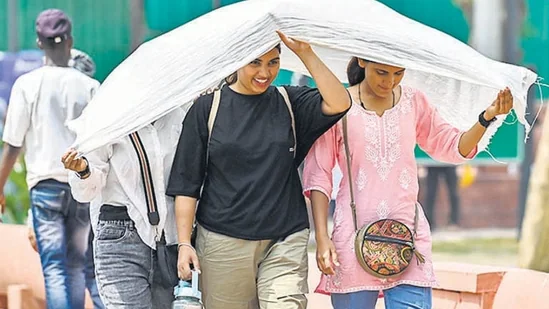
The Climate Crisis and the Struggle of ASHAs
Bharatmorningnews.com – India’s rural health landscape is facing mounting pressure as climate-related disruptions intensify. Outdoor workers, including ASHA workers, are bearing the brunt of erratic weather patterns that have shifted from scorching heatwaves to devastating floods. This summer, the nation’s focus on coping with extreme temperatures highlighted the critical role of ASHAs in ensuring medical access for women in remote areas. Yet, their contributions remain underappreciated despite the growing challenges they confront.
Weather Vulnerability and Health Risks
ASHAs serve as frontline responders in communities where specialized healthcare is scarce. With a national shortfall of 80% in gynaecologists at Community Health Centres, they are often the sole resource for maternal care. However, their dedication is being tested by the climate crisis, which has made their work more precarious. A study by Heat Watch revealed that in Haryana’s Sonepat and Rohtak districts, 83.7% of ASHAs spend 6–10 hours daily outdoors, exposing them to peak heat conditions.
It is well deduced by now that the climate crisis exacerbates the vulnerability of women.
During heatwaves, ASHAs face a dual burden: assisting affected communities while enduring extreme temperatures themselves. The same study found that 68% of ASHAs reported dehydration, 67% cited exhaustion, and 55% dealt with gastrointestinal or skin issues. Notably, 23% experienced heat stroke, underscoring the life-threatening risks of their exposure.
Workload and Structural Gaps
ASHAs are tasked with a wide range of responsibilities, from promoting hygiene to organizing immunization drives. According to the 2012 Ministry of Health and Family Welfare guidelines, they are expected to work 16 hours weekly. Yet, real-world demands have surged, with 83% of ASHAs reporting over 30 hours of work per week. Their remuneration, tied to meeting monthly targets, compounds their stress as workloads grow.
Despite their essential role, ASHAs lack basic protections. Training is provided to address community health issues, but none is given for their own safety. Access to water and sanitation facilities is often limited, making it harder for them to stay hydrated during fieldwork.
Labour Protections and Systemic Oversight
While ASHAs are hailed as the foundation of India’s public health system, they are classified as social volunteers under labor laws. This designation excludes them from protections afforded to workers, such as heatwave advisories issued by the Ministry of Labour & Employment. In a country where climate impacts are becoming more frequent, this oversight leaves ASHAs without the safeguards they need.