
Rachel Nickell murder: The Witness creator reveals the shocking detail he couldn’t ignore; ‘no one knew…’
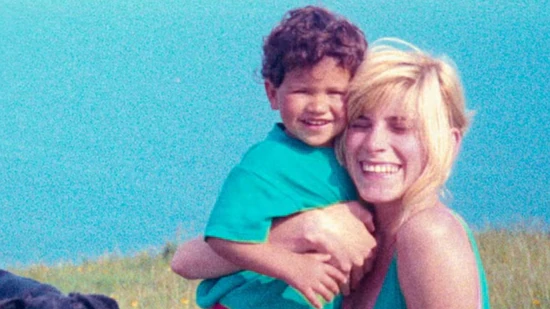
Rachel Nickell Murder: Netflix’s ‘The Witness’ Unveils Hidden Truths
Bharatmorningnews.com – The tragic Rachel Nickell murder, which occurred on Wimbledon Common in 1992, has been reimagined in a new Netflix series titled The Witness. This three-part dramatization, along with a complementary documentary, The Murder of Rachel Nickell, brings fresh attention to a case that has captivated public interest for over three decades. The story, centered around the loss of a young mother and the events that followed, is now being explored through the eyes of the family and the broader implications of the investigation.
The Creator’s Personal Connection
Rachel Nickell murder is not just a historical event for Rob Williams, the show’s creator. At 18 years old in 1992, he was deeply affected by the crime, which became a pivotal moment in his life. The series draws from his personal experience, offering an emotional and reflective take on the case. “I had to dig deeper into the trauma and the unanswered questions,” Williams shared during an interview. “It wasn’t just about the murder itself—it was about the silence that surrounded it and the lives it altered.”
On July 15, 1992, Rachel Nickell was murdered while walking with her toddler son, Alex, and their dog on Wimbledon Common. The attack, which left her stabbed 49 times, was both brutal and unexpected, as it occurred during daylight hours. Alex, the sole eyewitness, described the horror of the moment in a poignant quote: “There was blood everywhere. Everything was silent,” he said. “I said, ‘Get up, Mummy,’ but she didn’t respond. Then, with all my strength, I shouted again. She didn’t move. At that moment, reality hit me. I was young, but I knew she was gone.”
The investigation into Rachel Nickell murder was marked by intense public pressure and questionable police tactics. Colin Stagg, a local resident, was initially charged with the crime, but his conviction relied heavily on a false confession. The “honey trap” methods used to extract his admission led to a 13-month prison sentence before he was exonerated. The case sparked debates about the reliability of the justice system, with Stagg later receiving £706,000 in compensation for his wrongful imprisonment.
A Memoir Sparks the Project
Williams’ journey to create The Witness began after Alex published a memoir detailing his mother’s death and its lasting impact. The book, which shed light on the family’s resilience, inspired the series. “The media focused heavily on the young boy, but few understood the full story,” Williams said. “They called him the ‘tragic tot,’ yet no one knew what happened afterward.” This insight guided the narrative, emphasizing the emotional journey rather than just the crime’s mechanics.
Alex and his father, Andre, were key advisors during the series’ development, allowing Williams to portray their experiences with authenticity. “They allowed me to put words in their mouths during the most painful time,” Williams noted. “It shows their determination to share this story, believing it holds meaning beyond the crime itself.” The creators aimed to humanize the family, highlighting how their lives were reshaped by the trauma and the relentless scrutiny that followed.
The Rachel Nickell murder case is a stark example of systemic flaws in crime investigations. Williams pointed out that the police mistakes weren’t just individual errors—they reflected a broader erosion of public trust. “This was the final days of an era where people believed in the infallibility of law enforcement,” he said. The series captures this tension, weaving the family’s story with the institutional failures that defined the case.
Years after the murder, a breakthrough came in 2002 when DNA analysis linked the crime to Robert Napper, who was already serving time at Broadmoor psychiatric hospital. Napper admitted guilt in 2008 for manslaughter due to diminished responsibility, though his indefinite stay at Broadmoor continues. The Rachel Nickell murder remains a symbol of the complexities of justice, where forensic evidence and psychological factors play crucial roles.
The series also delves into the family’s decision to flee to France and later Spain to escape the media spotlight. Their current life in Barcelona, as reported by the Independent, underscores the lasting effects of the tragedy. “This isn’t just about solving the case,” Williams emphasized. “It’s about how a father and son rebuilt their lives after trauma, and how the media and system shaped their path.” The narrative invites viewers to reflect on the broader implications of true crime storytelling and its impact on real lives.