
Iran sets MoU deadline for US, warns of escalation in Hormuz, West Asia if diplomacy fails: Top points
Iran Sets MoU Deadline for US, Warns of Escalation
Bharatmorningnews.com – Iran sets MoU deadline for US officials, marking a sharp escalation in tone from Tehran. On Monday, a senior Iranian official told Reuters that the country has established a firm timeline requiring Washington to fulfil every obligation under the bilateral memorandum of understanding. The deadline, he confirmed, had already been transmitted to the White House. Alongside the ultimatum, the official announced a fundamental shift in national posture: Iran is moving from a defensive stance to what he called a “fully offensive” one.
The warning accompanying the deadline was explicit. Should diplomatic channels collapse entirely, Tehran said it would not tolerate an indefinite naval blockade of its ports and predicted heightened hostilities across the Strait of Hormuz and the broader West Asian theatre. The message was unambiguous: patience has a limit, and that limit is now defined by a calendar date rather than open-ended negotiation.
Trump Threatens Oman Over the Strait Dispute
The deadline landed amid fresh friction with a third party. US President Donald Trump, in a phone interview with Fox News correspondent Trey Yingst, issued a blunt threat aimed at Oman. “If Oman gets in the way, we’ll bomb the sh** out of them,” he said. The remark referenced ongoing Oman-Iran negotiations over control of the strait, which Washington is pursuing in parallel through its own diplomatic track.
In the same conversation, Trump insisted Iran should “put up the white flag of surrender.” He added that he had “no time schedule” and was “not in a hurry,” underscoring a posture of patience even as his administration maintained the naval blockade on Iranian shipping. The juxtaposition between Tehran’s ticking clock and Washington’s stated indifference raises pointed questions about whether either side is genuinely prepared to let diplomacy expire.
The Hormuz Standoff and the Oman Channel
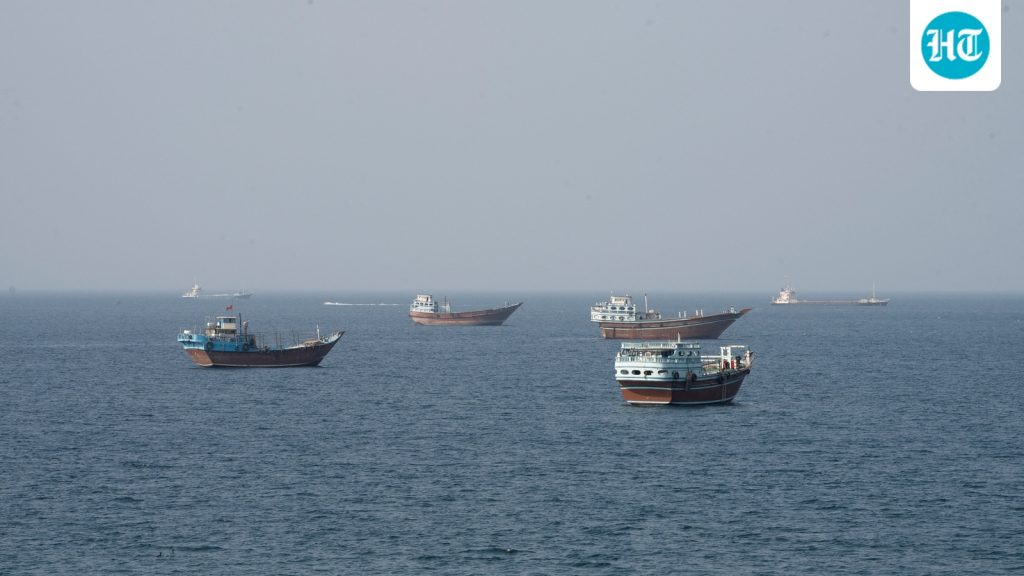
The waterway, through which roughly one-fifth of global crude oil and natural gas flows, remains the central obstacle between Tehran and Washington. Iran insists the memorandum must be implemented in full before the strait reopens and has put forward a proposal to administer transit traffic itself. The US, meanwhile, continues its naval cordon around Iranian ports, a measure that has already disrupted shipping schedules and pushed freight insurance premiums to multi-year highs. The question of whether Iran sets MoU deadline for US compliance before the strait reopens now sits at the centre of every bilateral and multilateral conversation in the region.
Despite reiterating that formal talks with Washington have not resumed, Tehran is actively shaping a joint statement with Oman outlining a framework for managing vessel passage through the strait. Iran’s foreign affairs spokesperson Esmail Baghaei told reporters in the capital that “an understanding has been reached regarding the map of the transit route.” The Associated Press reported that both sides were now working to finalise the remaining details of that joint declaration, a process that could complicate the bilateral track if timelines diverge.
Houthis Strike Saudi Convoy in the Red Sea
Separately, Yemen’s Iran-aligned Houthis announced on Monday that they had fired missiles at a Saudi military vessel and four accompanying escort ships in the Red Sea. Spokesperson Yahya Saree made the announcement via Telegram. The group had imposed its own naval blockade against Saudi Arabia in July, citing what it characterised as a Saudi siege of Yemen — an allegation Riyadh has consistently rejected. The strikes underscore how regional flashpoints continue to multiply even as the central Iran-US negotiation reaches its most consequential deadline.
Nuclear Rhetoric and Broader War Objectives
In a Monday post on Truth Social, Trump declared that Iran “cannot have, in any way, shape, or form, a nuclear weapon.” He labelled the objective Washington’s “number one goal.” The statement followed remarks by Vice President JD Vance earlier in the week, who outlined two overarching aims of the administration’s war effort, among them guaranteeing the uninterrupted flow of oil and gas from Gulf states. Together, these remarks frame the deadline not merely as a diplomatic milestone but as a pressure point in a wider strategic contest over energy security and regional dominance.
Frequently Asked Questions
What exactly is the deadline Iran has communicated to Washington? Tehran has transmitted a firm timeline requiring full implementation of every obligation under the bilateral memorandum of understanding. The precise date was not disclosed in the Monday briefing, but officials confirmed the deadline has already reached the White House and that failure to comply will trigger a shift to an “fully offensive” posture.
What are the stated consequences if diplomacy fails? Iran warned of heightened hostilities across the Strait of Hormuz and the broader West Asian theatre, including sustained naval confrontation.