
Steven Spielberg’s Alien Visions
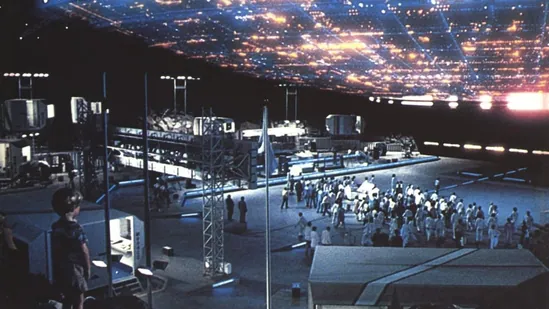
Steven Spielberg’s Alien Visions: A Trilogy of Extraterrestrial Encounters
Bharatmorningnews.com – Steven Spielberg s Alien Visions have long captured the imaginations of audiences, blending science fiction with emotional depth. From his earliest days as a filmmaker, the director has been drawn to the idea of life beyond Earth, crafting a unique trilogy that explores humanity’s relationship with extraterrestrial beings. These films—Close Encounters of the Third Kind (1977), E.T. the Extra-Terrestrial (1982), and War of the Worlds (2005)—form a cohesive narrative arc, reflecting Spielberg’s enduring fascination with alien encounters. His latest work, Disclosure Day, continues this theme, offering fresh perspectives on the age-old question: What happens when Earth meets the stars?
The Genesis of a Fascination
Spielberg’s interest in aliens began in his youth, as seen in his first notable amateur film, Firelight, made in 1964 in Phoenix. The story of a boy’s encounter with a mysterious light in the sky foreshadowed his future themes. By the time he directed Close Encounters of the Third Kind, this fascination had matured into a cinematic exploration of wonder and awe. The film, which Spielberg co-wrote, stars Richard Dreyfuss as Roy Neary, a man whose obsession with UFOs evolves into a profound journey of connection. The presence of alien life is not just a spectacle but a catalyst for personal and collective transformation.
From Childhood to Cosmic Connection
With E.T. the Extra-Terrestrial, Spielberg and screenwriter Melissa Mathison created a story that resonates deeply with universal themes of loneliness and belonging. The film centers on a child, Elliott, who forms a bond with a stranded alien, embodying the director’s own experiences with family displacement. As noted in a 1982
Rolling Stone interview
, Spielberg drew inspiration from the alien figures in Close Encounters, imagining a scenario where a young boy could bridge the gap between Earth and the cosmos. E.T.’s Christ-like features and miraculous ability to revive himself after death underscore the film’s emotional core, making it a timeless ode to friendship and hope.
Evolution of a Theme
Two decades after E.T., Spielberg returned to the alien theme with War of the Worlds, infusing it with a more somber tone. This shift reflects his broader engagement with historical and humanistic themes, such as the Holocaust in Schindler’s List (1993) and D-Day in Saving Private Ryan (1998). While War of the Worlds retains the visual grandeur of his earlier work, it also questions the benevolence of extraterrestrial visitors, hinting at darker possibilities. The film’s climax, where humans confront the reality of alien invasion, marks a turning point in Spielberg’s portrayal of alien life, balancing his signature optimism with a touch of existential dread.
The Art of Alien Integration
Spielberg’s genius lies in his ability to make aliens feel like a natural part of the human experience. In E.T., the extraterrestrial being is seamlessly woven into suburban life, sharing meals, Halloween traditions, and even a love for bike rides. This approach humanizes the alien element, making it relatable and emotional. Similarly, Close Encounters uses the UFO phenomenon to explore themes of unity and shared discovery, while War of the Worlds juxtaposes the alien’s otherworldly nature with the chaos of earthly conflict. Each film offers a distinct lens through which to view the encounter, showcasing Spielberg’s versatility in storytelling.
A Legacy of Interstellar Storytelling
Steven Spielberg s Alien Visions continue to influence modern science fiction, offering a blueprint for blending spectacle with sentiment. The trilogy’s success solidified Spielberg’s reputation as a master of emotional storytelling, even within the realm of sci-fi. His work remains a benchmark for how to depict alien life with both wonder and humanity. The upcoming release of Disclosure Day promises to expand this legacy, inviting audiences to ponder the enduring mystery of what lies beyond our world. As the director’s vision evolves, the core themes of connection, curiosity, and the unknown remain unchanged.
In a career spanning nearly five decades, Spielberg’s alien films have become a defining aspect of his oeuvre. Whether through the familial bond in E.T. or the apocalyptic stakes of War of the Worlds, he consistently challenges viewers to see the unfamiliar as both terrifying and beautiful. His unique ability to merge the personal with the cosmic ensures that these films will be remembered as milestones in the exploration of otherworldly possibilities.