
Satluj: Honey Trehan-Diljit Dosanjh’s film on Punjab’s darkest chapter is devastating, impossible to look away from
Satluj: Honey Trehan-Diljit Dosanjh’s Film on Punjab’s Darkest Chapter Is Devastating, Impossible to Look Away From
A Story of Uncompromising Truths
Bharatmorningnews.com – Satluj – The best films don’t provide simple solutions. They challenge viewers to confront difficult realities. *Satluj* fits this description perfectly, revisiting a harrowing period in Punjab’s history while reflecting on a society still marked by lingering trauma.
Originally named *Panjab ’95*, the film faced prolonged delays with the Censor Board. After watching it, the cause of the hold becomes clear. Its raw, unflinching portrayal of events is so powerful that it leaves no room for compromise. The delay, though, doesn’t diminish the film’s impact—it only underscores its importance.
The Tragic Narrative
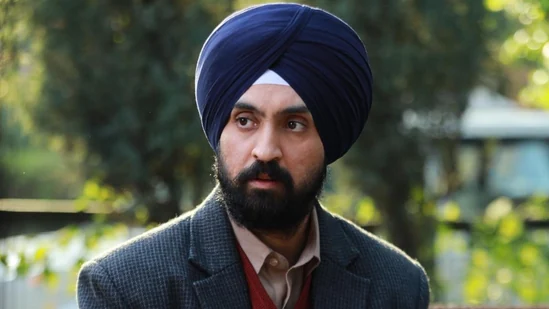
The narrative follows the life of human rights advocate Jaswant Singh Khalra, portrayed by Diljit Dosanjh, and the brutal crackdown on terrorism in Punjab during the 1990s. The film exposes a grim reality: approximately 25,000 people vanished without explanation, their bodies often cremated in secret. Khalra, a bank executive, is thrust into the legal battle after a friend disappears, sparking a journey that reveals the system’s indifference and the cost of silence.
“Once a person takes their last breath, they die. But the second death comes when their name is spoken for the last time.”
What unfolds is both gripping and heart-wrenching. The police, legal authorities, and even the judiciary attempt to stifle Khalra’s voice, yet his determination echoes far beyond the courtroom, resonating with global audiences.
Direction and Visual Storytelling
Honey Trehan’s direction is deliberate, avoiding emotional overplay while letting the horrors of the era speak for themselves. This restrained approach amplifies the film’s unsettling atmosphere, drawing viewers deeper into its world of injustice.
The screenplay, crafted in collaboration with Niren Bhatt and Utsav Maitra, maintains a steady pace throughout its extended runtime. Even as the story delves into legal battles and grim facts, it never falters, delivering tension akin to a political thriller.
Photography and Authenticity
K.U. Mohanan’s cinematography enhances the film’s mood, using a subdued color scheme to mirror the emotional weight of the events. The decision to film on location rather than in studios adds a layer of authenticity, grounding the narrative in real-world desolation.
Every frame feels charged with foreboding, as if the very air of Punjab during that time is captured in the visuals. This meticulous attention to detail ensures the audience is not just watching a story, but experiencing a historical moment.
Performances That Resonate
The acting across the board is exceptional. Diljit Dosanjh, who previously delivered a less memorable performance in *Main Vaapas Aaunga*, shines brightly here. His portrayal of Khalra is grounded in restraint and conviction, making the character’s struggle deeply moving.
Savinderpal Vicky, as the police officer Surjit Singh Sugga, delivers a natural performance that feels effortless. Kanwaljit Singh’s role as DGP Inderpal Singh Bitta emerges as a surprising standout, adding depth through subtle, impactful presence. Arjun Rampal, as CBI officer Samudra Singh, injects urgency and intensity into the latter half of the film.
Together, these performances anchor the story, ensuring that both halves of the film are equally compelling and emotionally charged.
A Final Reflection
More than a film, *Satluj* is a testament to the power of storytelling. It resurrects the voices of the silenced, giving faces to the nameless, and restoring dignity to those stripped of it. The experience lingers long after the credits roll, leaving an indelible mark on the viewer’s conscience.
In a world where silence often accompanies suffering, this film demands that we listen. It is not just a cinematic achievement but a reminder of the courage required to challenge the darkest chapters of history.