
Police kept close watch for anti-social elements, Maharashtra minister Pankaj Bhoyar on CJP protest
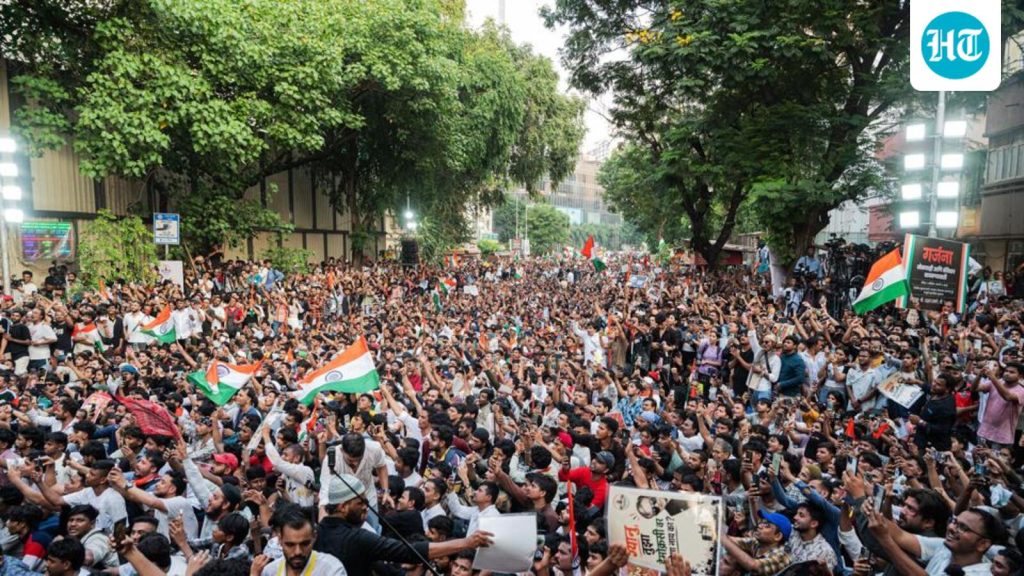
Mumbai protest puts electoral roll concerns at centre of political debate
Bharatmorningnews.com – Maharashtra’s minister of state for home, Pankaj Bhoyar, said police remained alert during Friday’s large protest at Mumbai’s Shivaji Park, with attention focused on preventing anyone from disturbing public order. The demonstration, organised by the Cockroach Janata Party (CJP), drew more than 10,000 people and centred on allegations concerning electoral rolls and demands directed at Chief Election Commissioner Gyanesh Kumar.
Speaking in Nagpur on Saturday, Bhoyar said authorities routinely monitor people who might attempt to create unrest. He maintained that police had kept watch during the gathering despite permission for the protest having been denied.
“I do not think anybody will try to indulge in such anti-social activities. If anybody is found to be involved in disrupting law and order, the police will thwart such an attempt,” he said.
Young participants form a major part of gathering
The Shivaji Park event was marked by a substantial presence of young demonstrators, including members of Gen Z and student groups. Protesters raised slogans over what they described as irregularities in voter lists, while calling for Kumar to step down.
Several well-known figures also attended, including actors Shabana Azmi and Naseeruddin Shah, along with singer Vishal Dadlani. Their presence added visibility to a protest that brought electoral administration and voter access into wider public discussion.
Bhoyar said that people seeking to disrupt peace often try to exploit public occasions in Mumbai or elsewhere in Maharashtra. He stressed that the police administration was maintaining a close vigil over such activities, while suggesting that there was no reason to assume disorder would occur unless individuals attempted it.
CJP outlines plans for broader campaign
CJP founder Abhijeet Dipke described the Mumbai gathering as the opening stage of a larger campaign. He said the movement would rely heavily on young people and Gen Z participants, move through other cities and eventually reach Delhi.
Dipke warned of what he called “Jantar Mantar 2.0” if the Chief Election Commissioner did not resign. The reference points to the possibility of a larger protest campaign in the national capital, where Jantar Mantar has long served as a prominent venue for public demonstrations.
The group’s stated demands include Kumar’s resignation, registration of a criminal case against him and withdrawal of the SIR exercise. The Election Commission has defended the revision process and has made changes intended to lessen inconvenience for voters.
Electoral roll revision can have significant consequences because the lists determine who is eligible to cast a ballot. Questions about additions, deletions or revisions to those lists therefore tend to become politically sensitive, particularly when parties and campaign groups believe that certain voters may be affected. The competing positions in this dispute reflect a broader disagreement over how the exercise has been conducted and what safeguards are needed for voters.
Congress joins criticism of BJP government and ECI
The issue has also prompted criticism from the Maharashtra Congress. The party has targeted both the BJP government and the Election Commission of India over alleged problems in the electoral system.
Congress leader Nana Patole alleged that names linked to a particular religion had been removed from electoral rolls. He expanded the demand for accountability beyond the Chief Election Commissioner to include Prime Minister Narendra Modi and Union home minister Amit Shah.
“The ECI has deleted the names of certain religion from the electoral roll. Not only Gyanesh Kumar, but even PM Narendra Modi and Home minister Amit Shah shoudl resign,” Patole said.
The exchange has sharpened the political divide surrounding the voter-list revision process. CJP and Congress leaders have pressed allegations of irregularities, while the Election Commission has stood by the process and pointed to modifications designed to make the procedure easier for voters.
For Mumbai, the Shivaji Park protest also highlighted the challenge of balancing political expression with concerns about security and traffic management at a major public gathering. Police scrutiny of potential troublemakers was presented by the state government as a precautionary measure rather than a response to a specific incident of violence.
As CJP signals plans to extend its agitation beyond Mumbai, attention is likely to remain on whether its demands gain broader support among students, younger voters and political parties. The central issues remain the alleged flaws identified by protesters, the Election Commission’s defence of its revision exercise and the growing pressure from opposition voices for answers on electoral roll management.
Related Reading
Frequently Asked Questions
What is Police kept close watch for anti?
Police kept close watch for anti is the main topic of this guide. The article explains the context, practical details, and next steps readers should understand.
Why does Police kept close watch for anti matter?
Police kept close watch for anti matters because readers are looking for a useful answer, not just a short summary. Good content should match search intent and help them decide what to do next.