
Mosque built on police station land sparks dispute in Meerut; Imam served 7 day notice
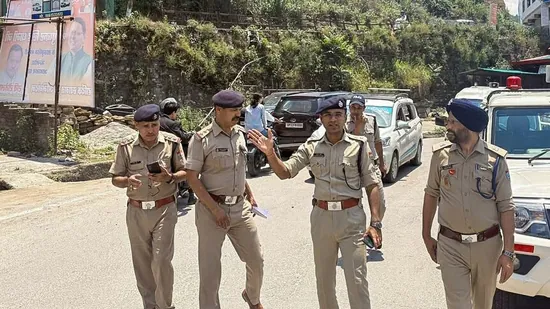
Mosque on Police Station Land Sparks Dispute in Meerut
Bharatmorningnews.com – A growing controversy has emerged in Meerut after the construction of a mosque on land that was previously designated for a police station. The dispute, centered around the mosque built on police station land, has drawn attention from local authorities, religious leaders, and residents. The structure, known as the Jama Masjid or “Thane Wali Masjid,” is located within the Kharkhoda police station premises, raising questions about the legality of its existence. Officials have now issued a seven-day notice to the mosque’s imam, Abdul Ghaffar, demanding proof of ownership and the removal of the building they claim is an unauthorized encroachment.
History of the Land and Ownership Claims
The land in question, spanning 6,450 square meters under Khasra number 1217, has been registered in the name of the Kharkhoda police station for decades. However, the mosque’s management argues that the property was transferred to the Waqf Board as early as 1985, making it a legitimate religious asset. This claim is supported by historical records and documentary evidence submitted to the police. The revenue department’s latest survey, however, has challenged this, stating that the land remains part of the police station’s jurisdiction.
The Waqf Board, which oversees the management of Islamic endowments, has been a key player in the dispute. According to their records, the land was allocated to the board for the construction of the mosque, a practice common in the region for decades. Officials from the police station, including Kharkhoda Station House Officer Rajpal Singh, assert that the Waqf Board’s registration does not negate the police station’s historical claim over the property. This disagreement has set the stage for a legal battle that could impact the community’s faith and the institution’s operations.
Community Reaction and Legal Proceedings
The mosque built on police station land has become a symbol of both religious devotion and administrative conflict. Local residents, many of whom rely on the mosque for daily prayers, have expressed concern over the potential removal of the structure. “This mosque has been a part of our lives for years, and it’s not just a building—it’s a place of solace and community,” said a local shopkeeper. Meanwhile, the police have emphasized the importance of maintaining clear boundaries between public and private spaces, stating that the mosque’s presence on police land could lead to confusion in governance.
Additional Superintendent of Police (Rural) Abhijeet Kumar explained that the issue surfaced only after recent demarcation of the police station’s boundaries. “The land was always part of the police station’s property, but the recent survey highlighted its use by the mosque,” he noted. The police have also urged the Waqf Board to clarify the transfer process, as the documents in question are said to be incomplete or ambiguous. The legal process will require a thorough examination of the land records and the resolution of conflicting claims between the two entities.
Abdul Ghaffar, the imam of the Jama Masjid, has defended the mosque’s presence, stating, “
The land was registered with the Waqf Board long ago, and all supporting documents are already with the police,” he said. “We’ve been using it for years, and it’s the community’s right to pray here.”
The imam’s statement underscores the emotional and religious stakes involved in the dispute. For many, the mosque represents not just a place of worship but also a cultural and social hub. However, the authorities argue that the structure’s location on police land undermines its legitimacy and could set a precedent for future encroachments.
As the mosque built on police station land faces scrutiny, the situation highlights the complexities of land ownership in urban areas. The dispute is not only about the physical space but also about the legal frameworks governing religious and public institutions. Experts suggest that the resolution will depend on the clarity of the Waqf Board’s records and the willingness of both parties to compromise. Until then, the community remains on edge, awaiting the outcome of this long-standing conflict.