
Future burden on Indian families is frailty
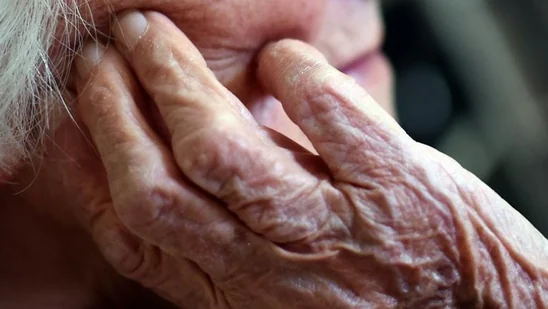
Future burden on Indian families is frailty
The Growing Threat of Frailty in Indian Households
Bharatmorningnews.com – Frailty is emerging as the defining challenge for Indian families in the coming decades, surpassing traditional concerns like cancer or diabetes. As the country’s population ages, the burden of care for elderly individuals who develop frailty is becoming increasingly unsustainable. The Indian Council of Medical Research (ICMR) highlights that frailty, characterized by a progressive decline in physical and cognitive function, is expected to affect a significant portion of the elderly population. This condition not only demands prolonged caregiving but also places immense pressure on families’ financial and emotional resources, reshaping the fabric of Indian households. With over 20% of the population projected to be aged 60 by 2050, the future burden on Indian families is frailty—more than just an individual health issue, it is a systemic crisis that requires urgent attention.
A Shift in Family Dynamics Due to Frailty
Frailty’s rise is closely tied to India’s demographic transformation. By 2050, the elderly will outnumber children for the first time, a shift that will redefine family roles. Historically, extended families have provided informal care, but urbanization and changing social structures are weakening this support network. When an elderly parent develops frailty, it often means a full-time caregiver is needed, disrupting careers, altering daily routines, and draining savings. This future burden on Indian families is no longer a distant concern but an imminent reality, as the demand for skilled caregiving outpaces the country’s ability to meet it. The transition from traditional to modern family models has left many unprepared to handle the complexities of frailty, from mobility challenges to cognitive decline.
The World Bank has estimated that if unpaid caregiving for elderly and disabled individuals were compensated at market rates, it would account for nine per cent of global GDP.
Healthcare Infrastructure Struggles to Keep Pace
India’s healthcare system is ill-equipped to address the growing prevalence of frailty. The Journal of the Indian Academy of Geriatrics reports that the country needs approximately 27,600 trained geriatricians to meet global standards, yet the current number is far below this requirement. Most cities lack specialized geriatric units, and primary healthcare facilities often overlook the nuances of frailty care. For instance, community-based physiotherapy programs are scarce in tier-two and tier-three cities, leaving many elderly individuals without access to critical rehabilitation services. This gap in healthcare infrastructure exacerbates the future burden on Indian families, as they are forced to manage conditions that could have been mitigated with early intervention and professional support.
Economic and Gender Disparities in Frailty Care
The economic strain of frailty care is particularly acute in India, where over 40% of the elderly live in the poorest wealth bracket. Families often deplete their savings to cover hospitalization, medication, and long-term caregiving costs, with little institutional support. Women, who comprise nearly 60% of caregivers in the country, are disproportionately affected, as they tend to shoulder the majority of unpaid domestic responsibilities. This future burden on Indian families is compounded by the lack of gender-sensitive policies that recognize the toll of caregiving on women’s careers and personal well-being. In many cases, the financial vulnerability of families forces them to choose between medical expenses and other essential needs, further straining their resilience.
Frailty as a Silent Epidemic in Urban and Rural India
Frailty is not confined to urban centers; it is also a growing concern in rural areas, where access to healthcare and resources is limited. In rural households, the elderly often live in cramped conditions, relying on family members for basic mobility and nutrition. This lack of infrastructure means that even minor frailty symptoms can lead to severe consequences, as there are few medical facilities to address them promptly. Urban areas, while better equipped, still struggle with high demand for services and low availability of trained professionals. This disparity highlights the uneven impact of frailty on Indian families, where urban and rural populations face different challenges in managing the condition. The future burden on Indian families is thus a dual crisis, affecting both ends of the geographic spectrum.
Towards a Sustainable Solution for Frailty
Addressing the future burden on Indian families requires a multifaceted approach that includes policy reforms, healthcare expansion, and societal awareness. The government must prioritize geriatric care by investing in training programs for healthcare workers and establishing community-based support systems. Additionally, public-private partnerships could play a vital role in scaling up services like memory clinics and fall-prevention programs, which are still rare in India. By integrating frailty care into national health strategies and promoting preventative measures, the country can alleviate the strain on families. This future burden on Indian families is not insurmountable, but it demands immediate action to ensure that the elderly receive the care they need without compromising the well-being of their caregivers.