
Former Delhi chief secretary Rakesh Mehta dies by suicide due to health reasons
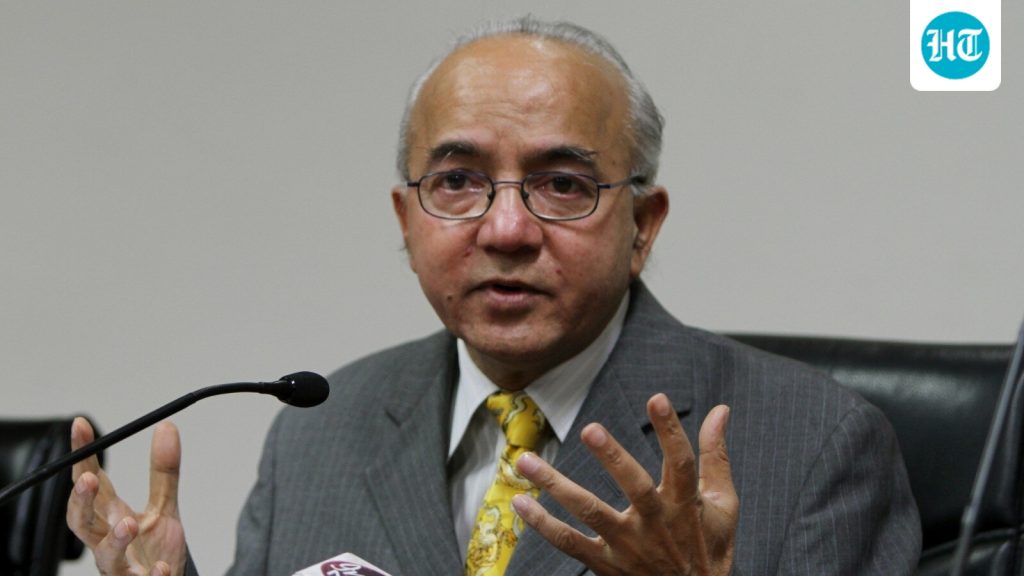
Former Delhi Chief Secretary Rakesh Mehta Dies in Noida
Bharatmorningnews.com – Former Delhi chief secretary Rakesh Mehta, a 1975-batch Indian Administrative Service officer, died by suicide at his residence in Noida, police confirmed. Officials attributed the act to prolonged health problems he had been managing. At the time of his death, Mehta was living alone in the Noida apartment while his family remained in Dehradun, a separation that those close to the matter said deepened the isolation of his final months.
Three Decades Inside Delhi’s Administrative Machinery
Mehta’s career in public service spanned more than thirty years, taking him through successive senior postings in the Delhi government and the Municipal Corporation of Delhi. He reached the territory’s most powerful bureaucratic post in 2007 and stepped down from the chief secretary’s office in November 2010. During that tenure he oversaw civic administration, transport policy, and energy governance in India’s most politically charged urban centre.
The administration of that era was navigating rapid urbanisation, fiscal strain, and mounting public demand for modernised services. Officers at the top of the hierarchy were expected to restructure systems, not merely administer them. Colleagues remembered Mehta as an administrator who paired operational efficiency with a genuine appetite for institutional change, welcoming new ideas and acting decisively once a reform concept had cleared the policy threshold.
Policy Interventions That Altered Delhi’s Civic Landscape
Several reforms bearing his imprint reshaped the day-to-day functioning of the capital:
Property tax reassessment. He oversaw a restructuring of how property valuations were calculated for municipal taxation, broadening the revenue base and reducing distortions accumulated under older assessment methods. For a city government perpetually short of funds, recalibrating the property tax engine represented a significant fiscal lever.
Power sector privatisation. He was involved in designing steps to open Delhi’s electricity distribution to private participation, aligning the territory with a broader national trajectory toward competitive power markets while attempting to improve supply reliability for millions of households.
Bus fleet modernisation. In transport, he championed a plan to phase out the ageing Blueline high-floor diesel fleet and replace it with low-floor buses offering easier boarding for elderly passengers, persons with disabilities, and families with strollers — part of a wider effort to make the capital’s mass-transit network more accessible and less polluting.
Circumstances and Broader Context
Police in Noida stated that the motive was linked to health problems. The detail that he was living apart from his family — based in the hills of Uttarakhand — underscores a pattern common among senior bureaucrats posted far from their households: long stretches of solitary residence sustained by duty and routine until a medical or personal crisis disrupts the equilibrium.
The IAS cadre system places officers on multi-year rotations across states and union territories, often separating families for extended periods. While it produces administrators of considerable capability, it also generates a cohort of senior officers who, in their final years of service or shortly after retirement, find themselves geographically and emotionally untethered.
Those who worked alongside the former chief secretary during his Delhi years recalled an official unusually receptive to reform proposals that might have been shelved by a more conservative predecessor. The civic, transport, and power reforms he touched upon did not end with his retirement; the low-floor bus fleet he helped introduce continued to roll through the capital’s corridors long after he left the post.
Frequently Asked Questions
Where did Rakesh Mehta die? He died at his residence in Noida, Uttar Pradesh. Police confirmed the death was by suicide.
What was the stated cause? Officials attributed the act to prolonged health difficulties he had been managing in his final months.
What position did he hold before retirement? He served as chief secretary of Delhi from 2007 until November 2010, the most senior bureaucratic post in the territory.
Where was his family based at the time of his death? His family was living in Dehradun, Uttarakhand, while he resided alone in Noida.
What batch of IAS was he from? Mehta belonged to the 1975 batch of the Indian Administrative Service.