
‘Don’t deploy Indian sailors…’: India’s big warning to shipowners over Hormuz amid renewed US-Iran tensions
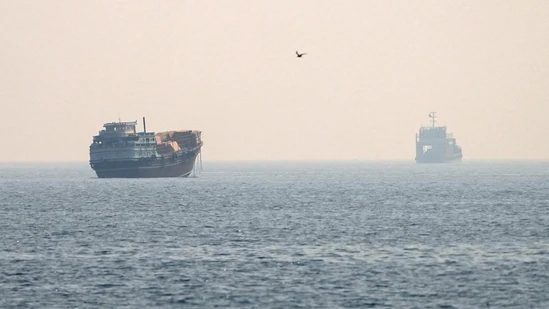
India Issues Urgent Advisory to Shipowners: Avoid Deploying Indian Seafarers in Hormuz Amid US-Iran Escalation
Bharatmorningnews.com – In a significant move, India’s Directorate General of Maritime Administration (DGMA) has issued a directive to shipowners, operators, and recruitment agencies, advising them to refrain from sending Indian sailors on vessels traversing the Strait of Hormuz. The notice, released on July 15, 2026, comes as tensions between the United States and Iran continue to rise, prompting heightened concerns for maritime safety in the region. The advisory underscores the critical need for precautionary measures to safeguard Indian maritime workers amid the escalating geopolitical situation.
Two Indian Seafarers Fall Victim to Attacks in the Region
The directive follows the tragic loss of two Indian nationals in separate incidents targeting ships in the Persian Gulf. Rohan Kumar, a 31-year-old from Bihar’s Gopalganj district, was killed in missile strikes that damaged two Emirati oil tankers, MT Mombasa and MT Al Bahiyah, on July 13, 2026. Hisambh Karmarkar, a 30-year-old from Pune, was reported missing after an attack on the cargo vessel MV GFS Galaxy off Oman’s coast and was later confirmed deceased. These incidents have intensified fears for Indian seafarers, who are often stationed on ships operating in high-risk zones.
“Companies are directed to avoid deploying Indian seafarers on vessels undertaking voyages involving passage through the Strait of Hormuz until further orders,” the DGMA notice stated.
The DGMA emphasized that recent attacks have raised the stakes for safety in the Persian Gulf, where over 300,000 Indian seafarers are employed globally. The notice highlights the strategic importance of the Strait of Hormuz as a key chokepoint for global oil trade, making it a prime target for conflict-related disruptions. “In view of the heightened security situation in the region, the Directorate considers it necessary to adopt enhanced precautionary measures to protect Indian seafarers,” the order noted, reflecting the government’s proactive stance.
Expanded Precautionary Measures and Safety Protocols
Alongside the advisory to avoid deploying Indian sailors, the DGMA has instructed shipmasters to maintain constant vigilance against security threats in the Persian Gulf, Hormuz, and surrounding waters. This includes a mandatory review of navigational alerts and the implementation of additional safety protocols. The directive also mandates that shipping companies submit updated risk assessments to the DGMA, ensuring a coordinated approach to protect personnel and vessels.
“An official has been dispatched to the deceased’s family to initiate the repatriation process,” said Sameer Saurabh, the district magistrate, confirming Kumar’s death to HT.
“We extend our deepest condolences for the loss of life due to the attack on the MV GFS Galaxy on 12 July 2026,” stated the Indian Consulate in Dubai, which confirmed Karmarkar’s demise.
The DGMA’s actions have prompted a call for collaboration between Indian and international stakeholders to reinforce security measures. Industry leaders have expressed concern over the potential impact on global trade, as the Strait of Hormuz remains vital for the transportation of approximately 20% of the world’s oil supply. “Don’t deploy Indian sailors” has become a rallying cry for maritime operators, emphasizing the urgency of the situation and the need to prioritize safety over operational efficiency.
Amid the rising tensions, Iran has reiterated its stance against the United States, accusing it of escalating hostilities through military actions in the region. On July 14, 2026, Iranian deputy chief of mission Mohammad Javad Hosseini was summoned to India’s external affairs ministry, where a protest was raised over the attacks. Anand Prakash, the joint secretary overseeing relations with Pakistan, Afghanistan, and Iran, called for immediate dialogue to address the growing risks for Indian maritime workers. The DGMA’s directive is seen as a strategic response to these developments, aligning with India’s broader efforts to secure its economic interests in the region.