
‘Can you give some research paper?’: Delhi High Court asks Kriti Sanon legal clarity in personality rights protection case
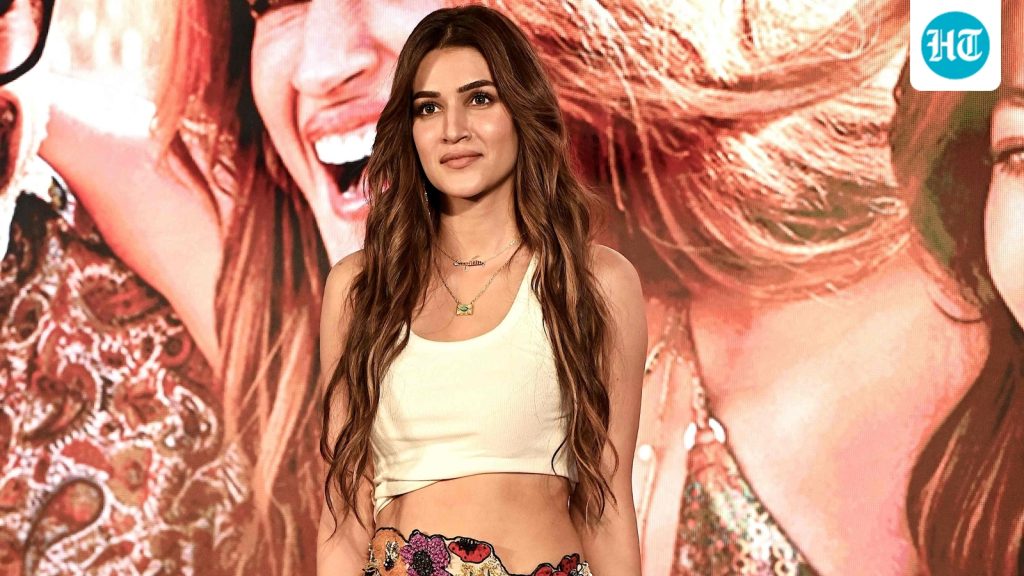
Delhi High Court Seeks Wider Legal Framework in Kriti Sanon Personality Rights Matter
Bharatmorningnews.com – The Delhi High Court has asked for detailed legal material while hearing actor Kriti Sanon’s petition seeking protection of her personality rights. The court indicated that the issues involved may require a broader examination, especially as similar petitions are increasingly being filed by public figures concerned about unauthorised use of their identity.
Justice Purushaindra Kumar Kaurav, hearing the matter on Friday, requested a consolidated set of judicial decisions and research on the subject. The material is expected to address what personality rights cover, how far that protection can extend, and whether the Intellectual Property Division of the High Court is the appropriate forum for such disputes.
What the Court Wants Examined
Pravin Anand, appearing for Sanon, was asked to provide the court with relevant rulings as well as academic and legal research. Justice Kaurav noted that the issue arises regularly before the court and should not necessarily be considered only through the narrow facts of the actor’s individual case.
“Can you give me some research paper? Please give a compilation. Give me judgments and your understanding regarding personality rights,” the court said.
The judge said a more comprehensive order could be considered after reviewing the legal material. Sanon’s counsel stated that the compilation would be placed before the court during the day and maintained that no question of jurisdiction arose in her case. The next hearing is scheduled for October 29.
The court also sought clarity on the precise boundaries of personality rights. This includes identifying which personal attributes can receive protection and determining how such matters should be handled within the court’s intellectual property framework.
Name, Voice, Image and Commercial Identity
During the hearing, Anand submitted that a person’s name, face, voice, photographs, videos and overall image may form part of their personality rights. A key concern in such matters is the commercial use of a person’s recognisable identity without permission, authorisation or consent.
For actors and other well-known individuals, identity can have significant commercial value. Their names, likenesses and voices may be used to market products, promote services or create online content. When such use takes place without approval, disputes can arise over whether the individual’s personality has been improperly exploited.
These claims do not always fit into a single legal category. They may involve privacy concerns, publicity rights, intellectual property issues and questions about commercial misappropriation. The court’s request for a legal compilation reflects the need to assess how these overlapping concepts should apply in individual cases.
Growing Number of Similar Petitions
Sanon’s case comes at a time when the Delhi High Court has seen an expanding number of petitions involving personality rights. Actors, athletes, political figures and other public personalities have approached the court over allegations that their identities were used without consent.
Earlier personality rights matters before the court have involved actors Kangana Ranaut, Tabu and Vijay Deverakonda. Cricketers Abhishek Sharma and Yuvraj Singh, Congress leader Shashi Tharoor, and Andhra Pradesh Deputy Chief Minister Pawan Kalyan have also figured in such proceedings.
Although the circumstances differ from case to case, common complaints include the use of names, images, voices, photographs, likenesses or other identifying characteristics. Such material may appear in advertisements, online posts, merchandise, promotional campaigns or other commercial settings.
Digital Technology Adds New Challenges
The rapid growth of digital platforms has made personality-rights disputes more complicated. Artificial intelligence tools can generate altered images, imitate voices and produce realistic-looking video content. Deepfakes and impersonation can make it difficult for the public to distinguish authentic material from content that has been digitally created or manipulated.
These developments have increased concerns about the use of a celebrity or public figure’s identity to endorse products or services without their participation. A recognisable face or voice can be used in ways that may suggest an association, approval or endorsement that does not exist.
At the same time, courts must weigh personality-rights protection against other interests. News reporting, artistic work, commentary, satire, creative expression and legitimate public discussion can also involve a public figure’s name or image. The legal challenge is to identify when use becomes unauthorised exploitation rather than a protected or legitimate form of expression.
A Potentially Important Examination
The research and judgments sought by the court may help clarify the scope of legal protection available to individuals seeking to control commercial use of their identity. It may also help address the role of the Intellectual Property Division in resolving these claims.
A detailed ruling could be significant beyond Sanon’s petition because personality-rights questions are becoming more frequent in an online environment where images, voices and likenesses can be copied, altered and distributed rapidly. The court’s examination is likely to focus not only on the rights of public figures, but also on the limits that must apply in order to preserve freedom of expression and legitimate public use.
For now, the matter remains pending before the Delhi High Court, with Sanon’s legal team set to place the requested compilation on record before the hearing resumes on October 29.
Related Reading
Frequently Asked Questions
What is Can you give some research paper?
Can you give some research paper is the main topic of this guide. The article explains the context, practical details, and next steps readers should understand.
Why does Can you give some research paper matter?
Can you give some research paper matters because readers are looking for a useful answer, not just a short summary. Good content should match search intent and help them decide what to do next.