
PMC spent over ₹160 cr on drain cleaning in five years; waterlogging concerns persist
PMC Spent Over ₹160 Crore on Drain Cleaning in Five Years; Waterlogging Concerns Linger
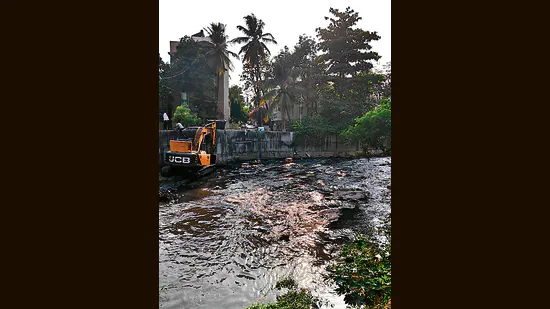
Bharatmorningnews.com – Pune’s Municipal Corporation (PMC) has invested more than ₹160 crore in drain cleaning and maintenance over the past five years, yet waterlogging remains a recurring issue during the monsoon season. Despite the significant financial outlay, residents and experts continue to express frustration over the city’s inability to effectively address its drainage challenges. The PMC claims to have implemented regular desilting and cleaning operations, but the persistent flooding in key neighborhoods suggests that the investment may not have translated into measurable improvements in infrastructure resilience.
Financial Allocation and Project Timeline
According to recent data from the PMC’s general body meeting, the corporation has allocated a total of ₹160 crore across 63 tenders for drainage works between 2020-21 and 2024-25. The funding has been distributed unevenly, with annual contract values ranging from ₹33 crore to ₹42 crore. For example, in 2020-21, 14 tenders totaling nearly ₹38 crore were floated, followed by 15 tenders worth ₹33 crore in 2021-22. The figures increased to ₹42 crore in 2023-24 and ₹41 crore in 2024-25, indicating a steady but modest investment over the period. This cumulative spending aims to address the city’s aging stormwater drainage systems, which have long been a source of concern.
However, the efficiency of this expenditure is under scrutiny. Some reports suggest that the PMC’s budget for drainage projects has not kept pace with the growing urbanization and increased water runoff due to construction activities. While the corporation highlights its annual efforts to prepare for monsoons, critics argue that the investment has not resolved the root causes of waterlogging, such as insufficient channel capacity and poor maintenance practices.
Contract Bidding and Cost Concerns
A closer look at the tender records reveals that several contracts were awarded at rates significantly lower than the estimated costs. In certain cases, bids were submitted 20% to 50% below the projected expenses, raising questions about the quality of work and the potential for underfunding critical projects. This trend has sparked debates about whether the PMC’s procurement process is ensuring value for money or compromising on standards to meet budget targets.
“Annual pre-monsoon desilting and drain-cleaning activities are conducted as planned. The department tracks the progress and releases payments only after confirming the work is completed. Our goal is to maintain an efficient drainage system during the rains,” stated a senior official from the PMC’s drainage department, who asked for anonymity.
“The same areas still flood every monsoon, despite the ₹160 crore investment. An independent technical audit is needed to assess whether the spending has genuinely improved the city’s drainage infrastructure,” argued Sudhir Kulkarni, a civic activist.
These conflicting perspectives highlight the divide between the PMC’s reported efforts and the on-the-ground realities. Residents in flood-prone zones have long voiced their dissatisfaction, pointing to inadequate maintenance of stormwater networks and the continued overflow of nullahs during heavy rainfall.
Resident Impact and Urban Challenges
The effects of waterlogging on Pune’s residents are stark, particularly in low-lying areas and neighborhoods with poorly maintained drainage systems. In the past five years, incidents of stagnant water have disrupted daily life, causing delays in transportation, damage to property, and health hazards from standing pools. While the PMC emphasizes its regular upkeep of drainage infrastructure, the recurring issues underscore the need for a more comprehensive approach to urban planning and flood management.
Experts warn that the city’s current strategies may not be sufficient to tackle the escalating challenges posed by climate change and rapid urbanization. The PMC’s investment, though substantial, has been criticized for not prioritizing high-risk areas or modernizing aging systems. Additionally, the lack of coordination between different departments has been cited as a contributing factor to the inefficiency of the drainage efforts.
Technical Audit and Future Recommendations
As the debate over the PMC’s spending intensifies, calls for a technical audit of its drainage projects have gained momentum. Such an audit could provide transparency on how the ₹160 crore was allocated and whether it was used to address systemic issues rather than superficial fixes. Civic activists and urban planners are urging the corporation to adopt a data-driven approach, leveraging real-time monitoring and community feedback to improve infrastructure planning.
“We need to assess not just the quantity of work done, but its quality and long-term impact. A technical audit will help identify gaps in our strategy and ensure that every rupee spent contributes to solving the problem,” said a civil engineer involved in Pune’s drainage projects.
Moreover, the PMC is being encouraged to explore innovative solutions, such as green infrastructure and smart drainage systems, to enhance the city’s ability to handle extreme weather conditions. These measures, while costly, could offer sustainable relief to residents and reduce the frequency of waterlogging incidents in the future.
With the monsoon season approaching, the PMC’s ability to mitigate waterlogging will be closely watched. The corporation’s commitment to maintaining its drainage network, as demonstrated by its ₹160 crore investment, remains crucial. Yet, the persistence of flooding in key areas serves as a reminder that financial allocation alone is not enough to resolve complex urban challenges. A holistic approach, combining efficient resource management with proactive planning, is essential to ensure that Pune’s drainage systems can keep up with the demands of a growing and changing city.