
Anand Vihar decongestion: 1.2km road revamp on cards
Anand Vihar decongestion: 1.2km road revamp on cards
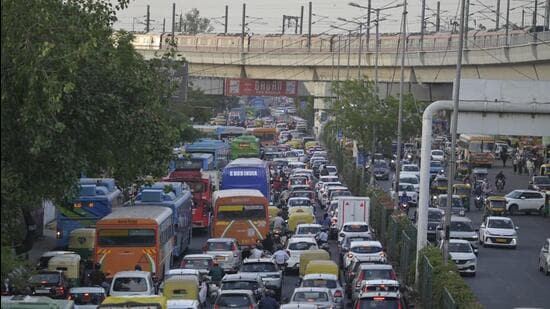
Bharatmorningnews.com – The issue of Anand Vihar decongestion has long been a concern for residents and commuters in Delhi’s eastern corridor, where the Anand Vihar Interstate Bus Terminal (ISBT) serves as a critical hub for transportation. Delhi authorities have recently unveiled plans to address this pressing challenge through a strategic 1.2km road revamp, aiming to alleviate traffic bottlenecks and reduce pollution levels in the area. The initiative, which has drawn attention from urban planners and transport experts, is expected to significantly enhance mobility and improve the quality of life for thousands of daily users. This project underscores the city’s commitment to modernizing its infrastructure to combat the growing strain on its transportation network.
Consultant Study to Guide Revamp
A key step in the Anand Vihar decongestion plan involves a comprehensive consultant study to assess the current state of the 1.2km stretch from EDM Mall foot over bridge to Anand Vihar U-turn. The survey, mandated by the Public Works Department (PWD), will focus on identifying permanent structures, mapping congestion hotspots, and evaluating the efficiency of pedestrian pathways and traffic islands. These findings are intended to inform targeted interventions that will optimize traffic flow, modernize public spaces, and align the area with broader urban development goals. The study is anticipated to conclude within the next month, after which detailed plans for implementation will be finalized.
“The expert agency will provide layout plans and a thorough analysis of the 1.2km road, which measures 60ft in width. This will guide the necessary steps to reduce traffic bottlenecks, enhance landscaping, and improve street lighting and street furniture across the area,” explained a PWD official. The report will also highlight infrastructure upgrades that could support multimodal connectivity, integrating rail, metro, and bus services more seamlessly.
Phased Implementation and Project Scope
Once the consultant study is complete, the government will move forward with securing agency approvals for the proposed changes. The Anand Vihar decongestion plan includes the development of a six-lane road spanning 15.18 lane kilometers, which will be a major component of the city’s efforts to streamline movement in this densely populated transport hub. This phase is expected to take several months, with construction anticipated to begin in the first quarter of next year. The project also envisions dedicated lanes for public transport, which could further reduce the pressure on local roads.
The Anand Vihar decongestion strategy is particularly crucial given the area’s status as a pollution hotspot in Delhi-NCR. During the winter months, the region often records “severe” Air Quality Index (AQI) levels, surpassing the city’s average due to the concentration of multiple emission sources. These include vehicular traffic from the ISBT, the nearby railway junction, and the bustling metro and RRTS stations. The revamp is expected to not only improve traffic conditions but also contribute to long-term environmental sustainability by incorporating green spaces and eco-friendly infrastructure.
Connectivity Challenges and Proposed Solutions
One of the major hurdles in the Anand Vihar decongestion plan is the lack of direct connectivity between Karkardooma and the transport hub. Commuters frequently have to navigate narrow residential roads to access the railway station and ISBT, which exacerbates congestion during peak hours. Brijesh Singh, a daily commuter from Sahibabad’s industrial area, emphasized the need for better traffic management. “The merging of exits from the railway junction and bus terminal creates confusion and severe congestion. Buses often halt to pick up more passengers, and encroachment issues worsen the situation,” he said.
As part of the Anand Vihar decongestion project, a new foot over bridge (FOB) is being proposed to link the railway station with the Kaushambi side of Uttar Pradesh. This FOB will feature amenities similar to those at the Airport and Rajouri Garden Metro stations, including travelators to ease pedestrian movement. While an existing FOB connects the railway station, ISBT, metro station, and Kaushambi Bus Stand, the new addition aims to address overcrowding and improve accessibility for commuters. This improvement is a vital step in the Anand Vihar decongestion plan, as it will reduce the burden on existing pathways and enhance overall convenience.
Expected Benefits and Public Impact
The Anand Vihar decongestion project is poised to deliver transformative benefits to the region’s infrastructure and residents. By redeveloping the 1.2km road, the initiative aims to reduce travel times, lower vehicular emissions, and create a more efficient transport network. The integration of public transport lanes and improved pedestrian facilities will not only ease congestion but also promote sustainable commuting practices. Additionally, the aesthetic enhancements and better lighting are expected to make the area more pleasant for both locals and visitors, encouraging economic activity and community engagement.
Local businesses and real estate developers have welcomed the Anand Vihar decongestion plan, as it is likely to increase property values and attract more investment to the area. The project also aligns with Delhi’s broader urban development goals, including the reduction of pollution and the enhancement of public spaces. With the completion of this revamp, the Anand Vihar decongestion effort will serve as a model for similar projects across the city, demonstrating how targeted infrastructure improvements can address complex urban challenges.