
Panchayat polls in Karnataka likely in October or November, says state minister
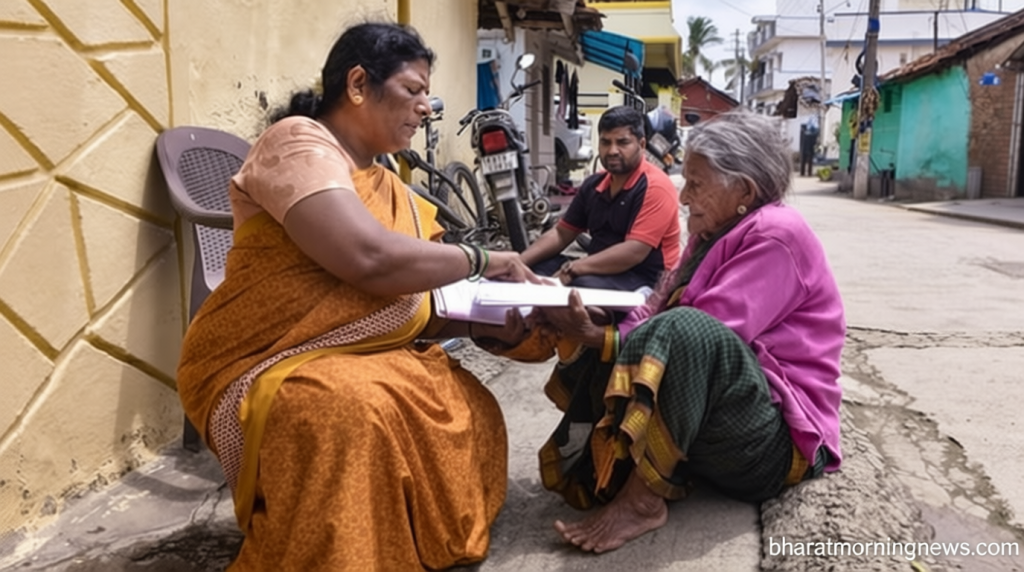
Karnataka Panchayat Polls Likely in October or November
Bharatmorningnews.com – Karnataka’s state minister for Rural Development and Panchayat Raj, Eshwar Khandre, has confirmed that panchayat polls at all levels are expected to take place in October or November. This decision follows the completion of delimitation processes and the establishment of the reservation matrix, which will now allow the State Election Commission to proceed with the formal proposal. The announcement highlights the government’s commitment to ensuring timely elections, which are crucial for local governance and rural development.
Delimitation and Reservation Matrix Finalized
Khandre stated that the delimitation of constituencies and the allocation of reservations for taluk and zilla panchayats are now complete. This marks a significant step toward organizing the panchayat polls, as the State Election Commission will review the proposal and finalize the schedule. The cabinet has given its backing to the plan, with the chief minister and other ministers expressing confidence in the process. The minister emphasized that the timely conduct of elections will enable effective representation and decision-making at the grassroots level.
“The delimitation process has concluded, and the reservation matrix is in place. This allows us to submit the proposal for panchayat polls in October or November, ensuring a smooth electoral process,” Khandre remarked. He added that the cabinet has already debated the matter, and all stakeholders are aligned with the timeline, which is critical for maintaining local governance structures.
Delays in Urban Elections
While the focus remains on gram, taluk, and zilla panchayats, the minister addressed concerns about the delay in urban local body elections. Khandre explained that government staff are currently engaged in the SIR (State Infrastructure Reform) process, which has required additional time and resources. He noted that the panchayat polls for rural areas are being prioritized to ensure adequate preparation, with the goal of completing the electoral cycle by the end of the year.
Fund Allocation and Rural Development
Khandre highlighted the government’s efforts to secure financial support for rural development initiatives. He pointed out that ₹117 crore has already been disbursed for water supply projects, while the Chief Minister has committed ₹1 crore per Assembly constituency to address local needs. This funding, he argued, will not only support essential services but also ensure that rural communities are equipped to handle challenges such as droughts. The minister stressed that the panchayat elections are closely tied to these developmental goals, as local representatives will play a key role in resource allocation and implementation.
“The central government’s delay in releasing ₹2,186.20 crore allocated for gram panchayats under the 15th Finance Commission has raised concerns,” Khandre said. He criticized the Centre for using technical issues as an excuse to withhold funds, urging Karnataka’s Members of Parliament to advocate for timely disbursement. The minister emphasized that panchayat polls are an opportunity to address these financial gaps and ensure transparent governance.
Employment and Water Security
Amid the panchayat polls, Khandre also addressed the importance of water conservation and the employment guarantee scheme. He reiterated that the VB-G RAM G scheme, launched to replace MGNREGA, will provide livelihood opportunities and reduce the need for migration. “Water is a lifeline, and the government is committed to ensuring its availability through the panchayat system,” he stated. The minister noted that the electoral process will empower local leaders to implement solutions for water shortages and boost rural employment.
Central Government’s Centralized Approach
When asked about the joint parliamentary panel chairman’s suggestion to implement the ‘One nation, one election’ system by 2029, Khandre expressed skepticism. He argued that the central government’s centralized approach to elections risks undermining state-level autonomy. “Panchayat polls in Karnataka are a reflection of our state’s democratic process and need to be managed independently,” he said. The minister’s comments underscore the importance of local elections in fostering community participation and accountability.
“The panchayat polls in Karnataka are not just about voting; they are about empowering rural communities and ensuring equitable development,” Khandre emphasized. He called for a balanced approach to governance, where state and central authorities collaborate without compromising the unique needs of local populations. The minister’s remarks have sparked discussions about the role of panchayats in India’s federal structure.
Related News
Also Read: Karnataka’s Hosanagar and Sagar Taluks Declare School Closures Due to Heavy Rainfall
Also Read: Committee Appointed by the Government Supports Ban on ‘Satluj’ for Enhancing Sovereignty and Security
Also Read: Six Lives Lost in Road Accident During Pilgrimage in Karnataka’s Uttara Kannada District