
Ahmedabad ranks world’s 2nd most heat-risk city; Bengaluru among India’s 14 in top 50: Report
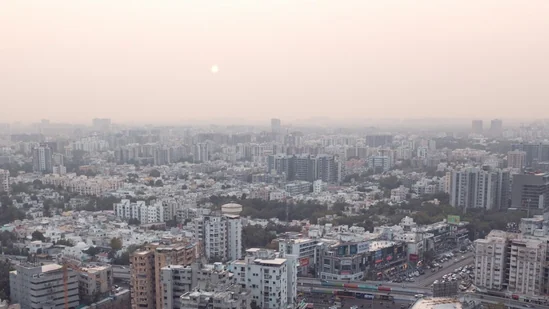
Ahmedabad Ranks 2nd Most Heat-Risk City Globally; Bengaluru Among India’s 14 in Top 50
Bharatmorningnews.com – Ahmedabad ranks world’s 2nd most heat-risk city in a comprehensive global analysis, with 14 Indian cities securing positions in the top 50. The report, published in the *Sustainable Cities and Society* journal, highlights how urban centers in South Asia, particularly in India, face heightened vulnerability to extreme heat. This study provides a critical insight into how climate change and urbanization are intertwining to create significant heat stress for millions of people.
Heat Risk and Regional Vulnerability
The findings reveal that over 95% of the cities identified as most vulnerable to heat stress are concentrated in South and Southeast Asia, along with Sub-Saharan Africa. This geographic concentration underscores the unique challenges these regions face, from dense populations and inadequate infrastructure to environmental exposure and economic constraints. Ahmedabad’s position as the second most at-risk city globally is attributed to its arid climate, rapid urbanization, and socio-economic conditions that exacerbate the effects of rising temperatures.
Al Basrah in Iraq was crowned the city with the highest heat risk, surpassing even Ahmedabad in terms of exposure. The report emphasizes that while temperature is a key factor, urban heat risk is a multifaceted issue influenced by demographics, socio-economic factors, and ecological buffers. For instance, cities with large elderly populations or limited access to cooling systems are more susceptible to heat-related health crises, even in regions with relatively moderate temperatures.
India’s Heat-Prone Cities
India’s representation in the top 50 heat-risk cities includes a diverse array of metropolises, each facing unique challenges. Cities like Nagpur and Pune in Maharashtra, along with Madurai and Chennai in Tamil Nadu, have been highlighted for their exposure to extreme thermal conditions. Uttar Pradesh contributes Kanpur and Lucknow to the list, while Bengaluru in Karnataka stands out as one of the 14 cities within the top 50. These cities, though varying in economic and cultural significance, share common vulnerabilities due to their urban layouts and climate patterns.
The study’s methodology focused on cities with populations exceeding one million, analyzing a range of factors beyond mere temperature data. These included age distribution, income levels, and access to adaptive measures such as air conditioning and green spaces. Ahmedabad’s ranking is further supported by its high population density and limited cooling infrastructure, which amplify the impact of heatwaves on its residents.
Experts warn that the interplay between heat exposure and socio-economic conditions determines the severity of risks. For example, cities like Bangkok and Jeddah, despite high temperatures, rank lower due to their robust adaptive strategies, including urban planning and public services. In contrast, moderate-exposure cities such as Karachi and Faisalabad in Pakistan, and Kaduna in Nigeria, face severe risks because of their weaker coping mechanisms and resource limitations.
“Heat risk isn’t solely determined by temperature exposure,” explains Nethmi Jayaratne Kariyawasam, lead author of the study. “Our analysis shows that urban heat dangers emerge through complex interactions, requiring a multi-layered approach to assessment.”
“Extreme heat often aligns with heightened vulnerability and limited adaptive resources in key Asian and African cities,” Kariyawasam adds. “This combination can lead to life-threatening outcomes, especially in places with weak coping mechanisms.”
Radhika Khosla, an associate professor at the University of Oxford and co-supervisor of the research, stresses the importance of integrating low-energy solutions first. “Fans and coolers should be prioritized as initial steps, followed by more advanced cooling technologies,” she states. This layered strategy not only ensures thermal comfort for all but also minimizes the environmental impact of energy-intensive cooling systems.
The report’s implications extend beyond immediate health risks, urging policymakers to address urban heat as a critical component of climate adaptation. As cities like Ahmedabad continue to grow, the need for sustainable urban planning, enhanced public infrastructure, and community-based resilience measures becomes increasingly urgent. By understanding the factors that contribute to heat risk, cities can develop targeted interventions to protect their populations from the escalating dangers of extreme heat.