
Oman tells European allies ships passing through Strait of Hormuz may have to pay
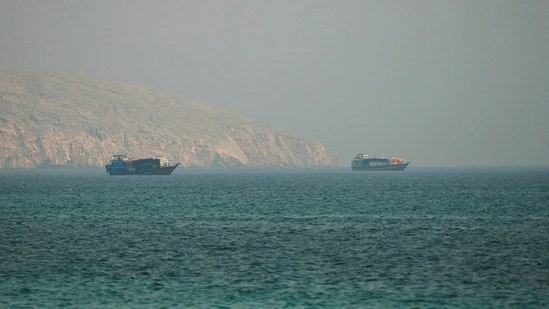
Oman Advises European Allies on Possible Fees for Ships in Hormuz Strait
Bharatmorningnews.com – Oman has advised European allies that vessels transiting the Strait of Hormuz may be required to pay fees, according to recent diplomatic discussions. The sultanate’s warning comes as tensions persist in the region, with concerns over the security and economic implications of maritime traffic through the vital waterway. This development signals a potential shift in how the strait is managed, as Oman seeks to balance its relationships with both Iran and Western powers.
Strategic Implications for Global Trade
The Strait of Hormuz, a critical passage for oil and liquefied natural gas, has long been a focal point for international trade. Oman, which shares a border with Iran, is now considering implementing charges for ships using the strait, a move that could affect the flow of energy resources to global markets. Analysts note that such fees would likely be negotiated with Iran, but the sultanate’s position has raised eyebrows among European partners.
Oman’s proposal to introduce tolls or service charges for vessels traversing the strait aligns with its broader strategy of asserting influence in the region. While the sultanate has historically supported free passage, recent statements suggest a willingness to charge for logistical support, including pollution control and navigation assistance. These measures are seen as a way to offset costs associated with maintaining the strait’s security and stability.
“Oman is navigating a delicate balance, positioning itself as a mediator while also exploring financial leverage in the region,” said Dr. Laila Al-Mu’arif, a Middle East policy analyst at the University of Oxford. “This could set a precedent for other chokepoints, like the Malacca Strait, where similar fee structures are currently absent.”
Europe’s Response and Regional Tensions
The European allies, including France, Germany, and the United Kingdom, have yet to respond definitively to Oman’s proposal. However, concerns are growing over the potential for increased costs to disrupt global energy supplies. The U.S. has also expressed caution, emphasizing that Iran’s earlier refusal to charge transiting ships was a key point in their negotiations with Western nations.
Oman’s decision to hint at fees underscores its strategic position between Iran and the U.S. The sultanate’s role as a neutral broker in regional conflicts has allowed it to maintain relationships with both sides, but the new proposal could test that balance. French President Emmanuel Macron, set to meet Oman’s ruler Sultan Haitham bin Tariq in Paris, is expected to discuss how to ensure uninterrupted maritime transit while addressing the sultanate’s financial ambitions.
Commodity traders, particularly those reliant on the strait for oil shipments, face significant risks if fees are implemented. Estimates suggest annual losses could reach tens of billions of dollars, creating pressure on governments to intervene and prevent additional costs. The U.S., UK, France, Saudi Arabia, and the UAE have all warned of enforcing strict maritime laws if the strait’s free passage is jeopardized.
Oman’s plan to introduce charges also reflects broader concerns about the sustainability of current shipping practices. With Iran’s temporary closure of the strait in late February following U.S. and Israeli strikes, the need for a more structured approach to security and logistics has become urgent. While the exact nature of the fees remains unclear, sources indicate that they could be tied to insurance policies or operational costs, adding complexity to international shipping agreements.
Analysts highlight that Oman’s proposal is part of a larger trend of nations reevaluating their roles in critical maritime corridors. By suggesting fees, the sultanate aims to position itself as a key player in the region, potentially benefiting from a share of the revenue while maintaining its diplomatic ties. However, the move could strain relations with Iran, which might view it as a challenge to its own influence over the strait.
As the situation develops, the implications for global trade and regional politics remain significant. The Strait of Hormuz is a linchpin of international energy supply, and any changes to its management could ripple across economies. Oman’s decision to inform European allies about potential fees demonstrates a calculated approach to leverage its strategic position, ensuring that its voice is heard in shaping the future of maritime security in the Gulf.