
Punjab Congress tussle: Channi camp stays away from key meets; Baghel rules out leadership change
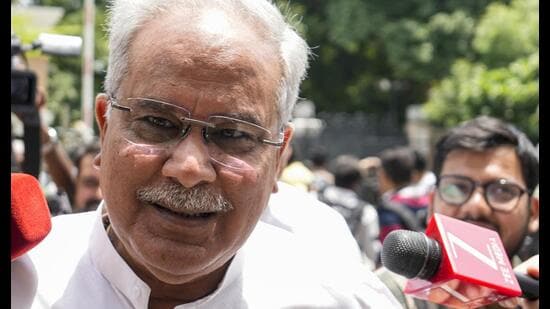
Punjab Congress Tussle: Leadership Dispute Intensifies as Channi Camp Withdraws from Key Meetings
Bharatmorningnews.com – Amid escalating tensions within the Punjab Congress, a leadership rift has deepened as Charanjit Singh Channi’s faction continues to distance itself from central party decisions. The recent absence of Channi’s allies from a strategic gathering organized by Bhupesh Baghel, the AICC state affairs in-charge, underscores the growing divide. This Punjab Congress tussle has drawn attention to the internal power struggles that could impact the party’s electoral strategy ahead of the 2027 polls.
Baghel’s Stance on Organisational Stability
Bhupesh Baghel, who has been tasked with maintaining party unity, has publicly dismissed any imminent leadership change. In a statement following the meeting, he emphasized that the Punjab Pradesh Congress Committee (PPCC) remains steadfast in its current direction. “There is no need for a shift in leadership at this stage. The party is united and focused on its goals,” Baghel said, highlighting the PPCC’s commitment to stability. He confirmed that Amarinder Singh Raja Warring will retain his position as chief, while Partap Singh Bajwa will continue as opposition leader, a decision that has been met with mixed reactions from party members.
Despite Baghel’s assurances, Channi’s faction, including Sukhjinder Singh Randhawa, has opted to remain outside the main decision-making process. Their absence from the meeting has been interpreted as a clear signal of their intent to challenge the existing leadership structure. Party insiders noted that Channi’s camp is actively mobilizing support among grassroots leaders, aiming to position itself as a viable alternative to the current hierarchy.
Strategic Moves and Electoral Implications
Channi’s faction has taken to public platforms to articulate their position, with a recent rally in Mohali drawing thousands of supporters. The event, organized to highlight their opposition to Warring’s leadership, emphasized their belief that a leadership change is essential for the party’s revival. “The Punjab Congress tussle is not just about power—it’s about the future of the state,” said Randhawa, who reiterated the need for a more dynamic leadership approach.
Bajwa, who has been keeping a neutral stance, urged party members to focus on common objectives. “We must work together to ensure the Congress remains a competitive force in Punjab. The tussle should not overshadow our collective efforts,” he stated. However, some leaders argue that the ongoing Punjab Congress tussle is a necessary process to refresh the party’s leadership and align it with contemporary political challenges.
Meanwhile, Baghel has intensified efforts to consolidate support for the current leadership. He has been engaging with election committee heads, ensuring that organisational strategies remain on track. “The Congress is prepared to deliver in the upcoming elections, and this tussle is a part of our internal grooming process,” Baghel explained, aiming to reassure the party’s base of his leadership’s continuity.
As the Punjab Congress tussle unfolds, the focus has shifted to how the party will navigate this internal conflict without compromising its electoral prospects. With key figures like Sukhwinder Singh Danny and Raj Kumar Verka attending the meeting, there are signs of reconciliation, though the division remains palpable. The situation is being closely watched by political analysts, who suggest that the outcome could redefine the party’s trajectory in the state.
Voters, too, are paying attention to the leadership debate. While the Congress remains a major party in Punjab, the Punjab Congress tussle has sparked conversations about the party’s ability to adapt to changing political landscapes. For now, the high command appears confident in its decisions, but the challenge lies in maintaining cohesion as the party prepares for the next phase of its political journey.