
Monsoon has arrived in Delhi, but where is the rain? Experts explain
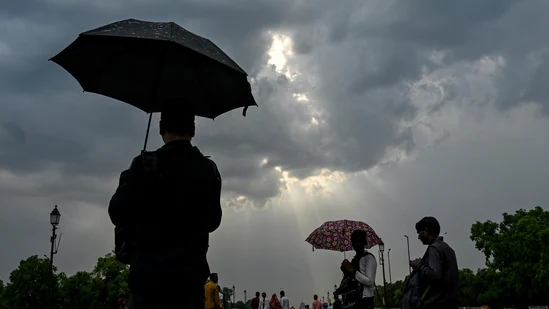
Monsoon Has Arrived in Delhi, but Where Is the Rain? Experts Explain
Bharatmorningnews.com – The southwest monsoon has officially reached Delhi, marking the start of the long-awaited monsoon season for the National Capital. However, the city has yet to see the consistent downpours that were expected to ease the sweltering summer heat. While the monsoon has arrived, the absence of steady rainfall has left residents confused and concerned, questioning whether the traditional monsoon pattern is shifting or if the weather is simply following an unusual trend.
Why Is the Monsoon in Delhi Not Delivering Rain?
According to the India Meteorological Department (IMD), the monsoon’s arrival in Delhi on July 2 was confirmed through the development of cyclonic circulations over central India. These weather systems typically trigger rainfall, but so far, the city has experienced erratic showers rather than the sustained monsoon rains that would typically follow. Experts suggest that the monsoon trough, a key weather system that channels moisture into the region, has been positioned further south, diverting the rain away from Delhi and toward states like Madhya Pradesh and Odisha.
Understanding the Monsoon’s Delay in Delhi
The delayed and inconsistent nature of the monsoon in Delhi is a recurring phenomenon, often linked to broader climate patterns. Meteorologists note that the monsoon’s movement is influenced by a complex interplay of atmospheric conditions, including the strength of the low-pressure systems and the positioning of the monsoon trough. In recent years, Delhi has faced challenges in receiving timely rainfall, which has implications for agriculture, water management, and daily life. For instance, the city’s water supply has been under strain, with reservoirs remaining at critically low levels despite the monsoon’s official arrival.
Delhi’s weather this week has been a mix of high humidity and warm temperatures. On Sunday, the minimum temperature hit 29.2°C, slightly above the seasonal average, while the maximum climbed to 36°C, creating a stifling environment. The IMD forecasts a generally cloudy day with moderate rain, but the intensity remains low, with sporadic showers expected to continue through the following days. This pattern has raised questions about whether the city is on the brink of experiencing more regular monsoon activity or if the current phase is just a temporary anomaly.
Humidity levels in Delhi have reached 77% by 8:30 am, intensifying the oppressive heat. Even though daytime temperatures were slightly below the seasonal norm on Saturday, the combination of high humidity and intermittent rainfall has made the climate feel far hotter. The heat index, which accounts for both temperature and humidity, reached 45.4°C by 5:30 pm, a stark contrast to the actual air temperature. This has led to discomfort for residents, with many reporting a sense of unease about the monsoon’s delayed impact.
Delhi’s rainfall has also fallen short of expectations. From June 1 to June 30, the city received only 32.91 mm of rain, compared to the normal 74.1 mm for the same period. This results in a 55.6% deficit, raising concerns about the city’s ability to meet its water needs. The coming days will be crucial in determining whether the monsoon will finally deliver the widespread rain that Delhi has been waiting for. If the weather remains uncertain, the capital may face prolonged drought-like conditions, affecting both public health and economic activities.
“The monsoon trough has shifted toward central India, which explains the lack of significant rainfall in Delhi. While the city may experience typical monsoon rains from July 5, the timing of the arrival has been delayed due to the trough’s position,” said Mahesh Pehlawat, vice president of Skymet Weather. His remarks highlight the dynamic nature of monsoon systems and the challenges in predicting their impact in Delhi. Residents are now hopeful that the trough’s movement will stabilize, bringing the much-needed rain that has been absent for months.